
味觉生理学和药理学中的G蛋白偶联受体
G Protein-Coupled Receptors in Taste Physiology and Pharmacology.
作者信息
Ahmad Raise, Dalziel Julie E
机构信息
Food Nutrition and Health Team, Food and Bio-based Products Group, AgResearch, Palmerston North, New Zealand.
出版信息
Front Pharmacol. 2020 Nov 30;11:587664. doi: 10.3389/fphar.2020.587664. eCollection 2020.
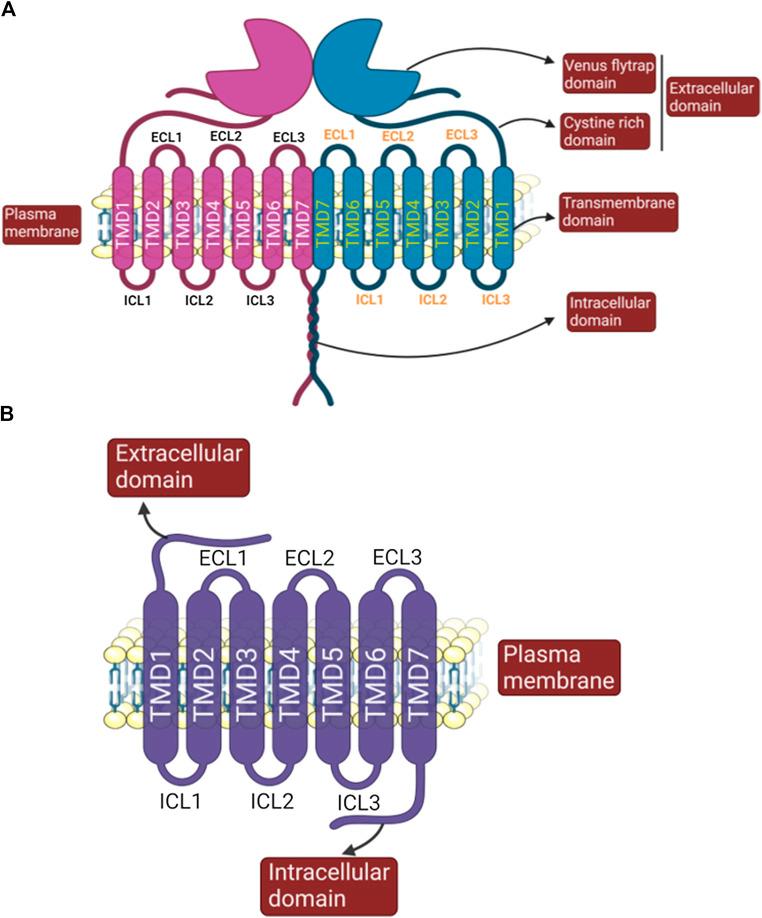
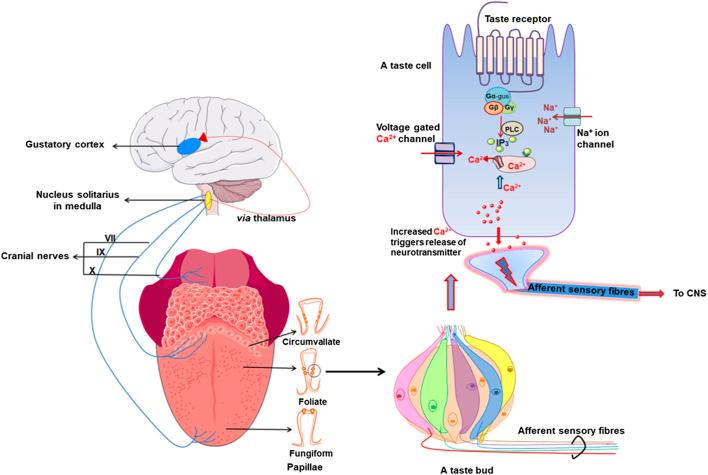
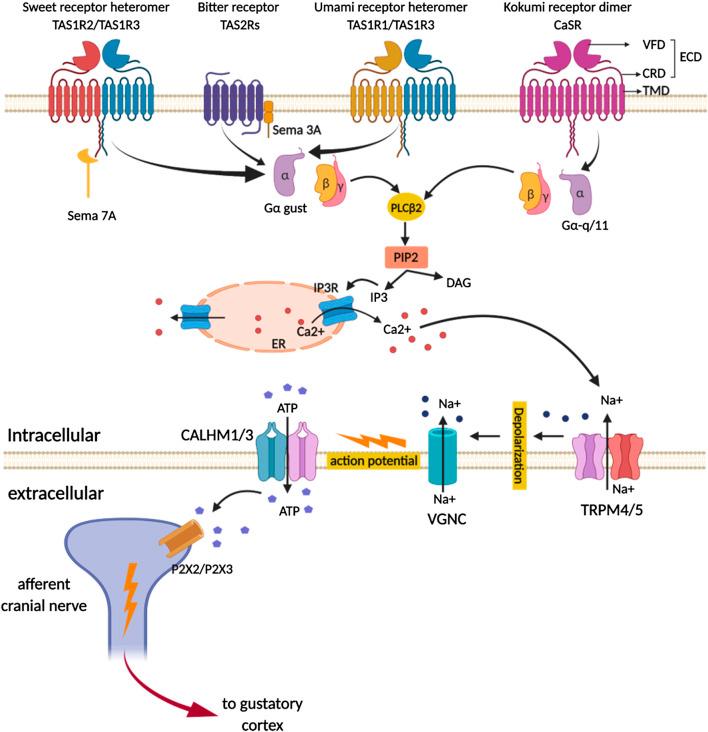
Heterotrimeric G protein-coupled receptors (GPCRs) comprise the largest receptor family in mammals and are responsible for the regulation of most physiological functions. Besides mediating the sensory modalities of olfaction and vision, GPCRs also transduce signals for three basic taste qualities of sweet, umami (savory taste), and bitter, as well as the flavor sensation kokumi. Taste GPCRs reside in specialised taste receptor cells (TRCs) within taste buds. Type I taste GPCRs (TAS1R) form heterodimeric complexes that function as sweet (TAS1R2/TAS1R3) or umami (TAS1R1/TAS1R3) taste receptors, whereas Type II are monomeric bitter taste receptors or kokumi/calcium-sensing receptors. Sweet, umami and kokumi receptors share structural similarities in containing multiple agonist binding sites with pronounced selectivity while most bitter receptors contain a single binding site that is broadly tuned to a diverse array of bitter ligands in a non-selective manner. Tastant binding to the receptor activates downstream secondary messenger pathways leading to depolarization and increased intracellular calcium in TRCs, that in turn innervate the gustatory cortex in the brain. Despite recent advances in our understanding of the relationship between agonist binding and the conformational changes required for receptor activation, several major challenges and questions remain in taste GPCR biology that are discussed in the present review. In recent years, intensive integrative approaches combining heterologous expression, mutagenesis and homology modeling have together provided insight regarding agonist binding site locations and molecular mechanisms of orthosteric and allosteric modulation. In addition, studies based on transgenic mice, utilizing either global or conditional knock out strategies have provided insights to taste receptor signal transduction mechanisms and their roles in physiology. However, the need for more functional studies in a physiological context is apparent and would be enhanced by a crystallized structure of taste receptors for a more complete picture of their pharmacological mechanisms.
异源三聚体G蛋白偶联受体(GPCRs)是哺乳动物中最大的受体家族,负责调节大多数生理功能。除了介导嗅觉和视觉的感觉方式外,GPCRs还能转导甜味、鲜味(美味)、苦味这三种基本味觉以及kokumi风味的信号。味觉GPCRs存在于味蕾内的特殊味觉受体细胞(TRCs)中。I型味觉GPCRs(TAS1R)形成异二聚体复合物,作为甜味(TAS1R2/TAS1R3)或鲜味(TAS1R1/TAS1R3)味觉受体发挥作用,而II型是单体苦味受体或kokumi/钙传感受体。甜味、鲜味和kokumi受体在结构上有相似之处,都含有多个具有明显选择性的激动剂结合位点,而大多数苦味受体含有一个单一的结合位点,以非选择性的方式广泛地适应各种苦味配体。味觉剂与受体结合会激活下游的第二信使途径,导致TRCs去极化并增加细胞内钙,进而支配大脑中的味觉皮层。尽管我们最近在理解激动剂结合与受体激活所需的构象变化之间的关系方面取得了进展,但味觉GPCR生物学中仍存在几个主要挑战和问题,本综述将对此进行讨论。近年来,结合异源表达、诱变和同源建模的深入综合方法共同提供了关于激动剂结合位点位置以及正构和变构调节的分子机制的见解。此外,基于转基因小鼠的研究,利用整体或条件性敲除策略,为味觉受体信号转导机制及其在生理学中的作用提供了见解。然而,显然需要在生理背景下进行更多的功能研究,并且通过味觉受体的晶体结构可以更全面地了解其药理机制,从而加强这方面的研究。

 Zotero 插件