
通过计算预测,严重急性呼吸综合征冠状病毒2(SARS-COV-2)编码的微小RNA靶向核因子κB(NFKB)、Janus激酶/信号转导和转录激活因子(JAK/STAT)以及转化生长因子β(TGFB)信号通路。
Computationally predicted SARS-COV-2 encoded microRNAs target NFKB, JAK/STAT and TGFB signaling pathways.
作者信息
Aydemir Merve Nur, Aydemir Habes Bilal, Korkmaz Ertan Mahir, Budak Mahir, Cekin Nilgun, Pinarbasi Ergun
机构信息
Department of Molecular Biology and Genetics, Faculty of Science, Sivas Cumhuriyet University, Sivas, Turkey.
Department of Molecular Biology and Genetics, Faculty of Arts and Sciences, Gaziosmanpaşa University, Tokat, Turkey.
出版信息
Gene Rep. 2021 Mar;22:101012. doi: 10.1016/j.genrep.2020.101012. Epub 2020 Dec 31.
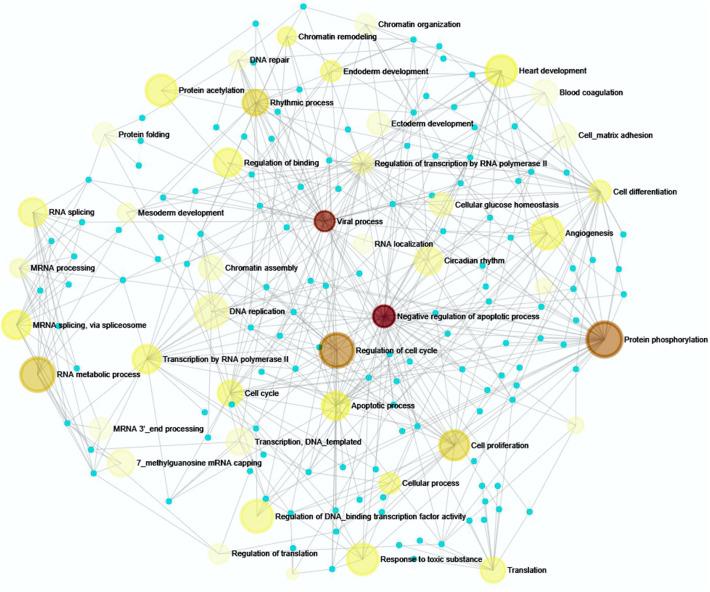
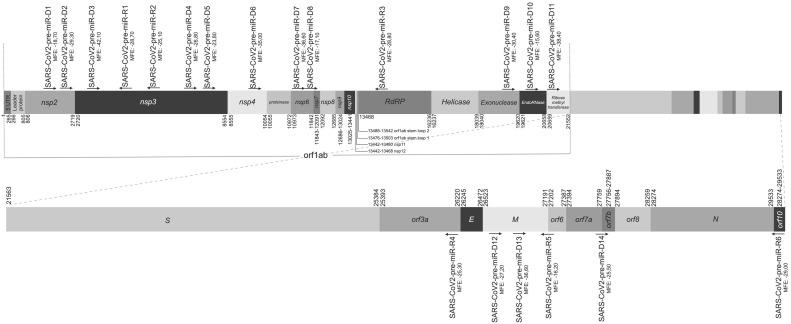
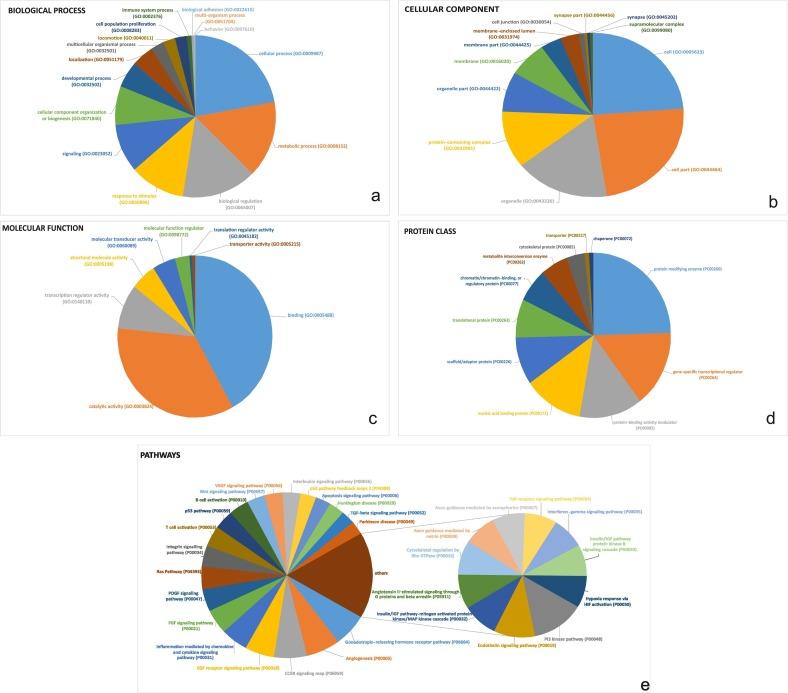
Recently an outbreak that emerged in Wuhan, China in December 2019, spread to the whole world in a short time and killed >1,410,000 people. It was determined that a new type of beta coronavirus called severe acute respiratory disease coronavirus type 2 (SARS-CoV-2) was causative agent of this outbreak and the disease caused by the virus was named as coronavirus disease 19 (COVID19). Despite the information obtained from the viral genome structure, many aspects of the virus-host interactions during infection is still unknown. In this study we aimed to identify SARS-CoV-2 encoded microRNAs and their cellular targets. We applied a computational method to predict miRNAs encoded by SARS-CoV-2 along with their putative targets in humans. Targets of predicted miRNAs were clustered into groups based on their biological processes, molecular function, and cellular compartments using GO and PANTHER. By using KEGG pathway enrichment analysis top pathways were identified. Finally, we have constructed an integrative pathway network analysis with target genes. We identified 40 SARS-CoV-2 miRNAs and their regulated targets. Our analysis showed that targeted genes including and play important roles in NFKB, JAK/STAT and TGFB signaling pathways as well as cells' epigenetic regulation pathways. Our results may help to understand virus-host interaction and the role of viral miRNAs during SARS-CoV-2 infection. As there is no current drug and effective treatment available for COVID19, it may also help to develop new treatment strategies.
2019年12月在中国武汉出现的一次疫情,在短时间内蔓延至全球,导致超过141万人死亡。经确定,一种名为严重急性呼吸综合征冠状病毒2型(SARS-CoV-2)的新型β冠状病毒是此次疫情的病原体,由该病毒引起的疾病被命名为冠状病毒病19(COVID-19)。尽管从病毒基因组结构中获得了相关信息,但感染期间病毒与宿主相互作用的许多方面仍不清楚。在本研究中,我们旨在鉴定SARS-CoV-2编码的微小RNA及其细胞靶点。我们应用一种计算方法来预测SARS-CoV-2编码的微小RNA及其在人类中的假定靶点。使用基因本体论(GO)和泛蛋白数据库(PANTHER),将预测的微小RNA的靶点根据其生物学过程、分子功能和细胞区室进行聚类。通过京都基因与基因组百科全书(KEGG)通路富集分析确定了主要通路。最后,我们构建了一个包含靶基因的综合通路网络分析。我们鉴定出40种SARS-CoV-2微小RNA及其调控的靶点。我们的分析表明,包括[具体基因1]和[具体基因2]在内的靶基因在核因子κB(NFKB)、Janus激酶/信号转导子和转录激活子(JAK/STAT)以及转化生长因子β(TGFB)信号通路以及细胞的表观遗传调控通路中发挥重要作用。我们的结果可能有助于理解病毒与宿主之间的相互作用以及病毒微小RNA在SARS-CoV-2感染中的作用。由于目前尚无针对COVID-19的药物和有效治疗方法,这也可能有助于开发新的治疗策略。


 Zotero 插件