
与抗菌药物耐药性相关的尿源性分离株中黏附素编码基因的分布和生物膜形成能力。
Distribution of genes encoding adhesins and biofilm formation capacity among Uropathogenic isolates in relation to the antimicrobial resistance.
机构信息
Microbiology and Immunology Department, Faculty of Pharmacy, Zagazig University, Zagazig, Egypt.
出版信息
Afr Health Sci. 2020 Mar;20(1):238-247. doi: 10.4314/ahs.v20i1.29.
BACKGROUND
is the most predominant pathogen involved in UTIs. Mainly, fimbrial surface appendages are implicated in adherence to urothelium besides non-fimbrial proteins.
OBJECTIVES
to determine prevalence of genes encoding fimbrial and non-fimbrial proteins among Uropathogenic (UPEC). Furthermore, distribution of these genes and biofilm formation capacity were investigated in relation to antimicrobial resistance.
METHODS
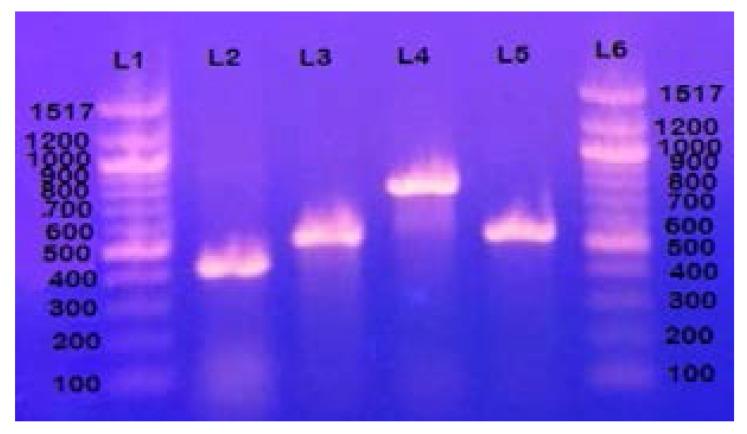
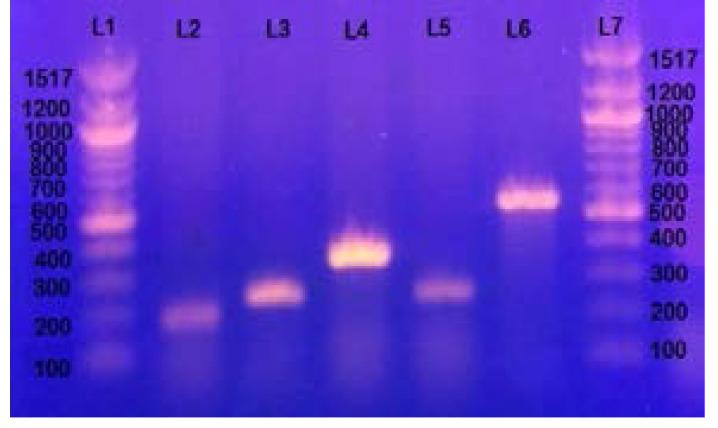
Antimicrobial susceptibility of 112 UPEC isolates was performed using disc diffusion method. ESBL production was confirmed by double disc synergy test. Genes encoding fimbrial and non-fimbrial proteins were detected using PCR and biofilm formation was investigated using microtitre plate assay.
RESULTS
UPEC isolates exhibited high resistance against doxycyclines (88.39 %), β-lactams (7.14-86.6%), sulphamethoxazole-trimethoprim (53.75%) and fluoro-quinolones (50%). Fifty percent of tested isolates were ESBL producers. PapGII gene was statistically more prevalent among pyelonephritis isolates. SfaS, focG and picU genes were statistically associated with fluoroquinolone (FQs) sensitive isolates and Dr/afaBC gene was statistically associated with ESBL production. Moreover, non-MDR isolates produced sturdier biofilm.
CONCLUSION
PapGII adhesin variant seems to have a critical role in colonization of upper urinary tract. There is a possible link between antimicrobial resistance and virulence being capable of affecting the distribution of some genes besides its negative impact on biofilm formation.
背景
是引起尿路感染的最主要病原体。主要是菌毛表面附属物与非菌毛蛋白一起参与黏附在上皮细胞。
目的
确定编码菌毛和非菌毛蛋白的基因在尿路致病性大肠杆菌(UPEC)中的流行情况。此外,还研究了这些基因的分布情况以及与抗菌药物耐药性的关系。
方法
采用纸片扩散法检测 112 株 UPEC 分离株的抗菌药物敏感性。采用双纸片协同试验确证 ESBL 的产生。采用 PCR 检测编码菌毛和非菌毛蛋白的基因,采用微量板法检测生物膜形成能力。
结果
UPEC 分离株对强力霉素(88.39%)、β-内酰胺类(7.14-86.6%)、磺胺甲恶唑-甲氧苄啶(53.75%)和氟喹诺酮类(50%)的耐药率较高。50%的测试分离株为 ESBL 产生菌。在肾盂肾炎分离株中,PapGII 基因的流行率较高。SfaS、focG 和 picU 基因与氟喹诺酮类敏感分离株有关,Dr/afaBC 基因与 ESBL 产生有关。此外,非多重耐药分离株产生的生物膜更牢固。
结论
PapGII 黏附素变异体似乎在上尿路定植中起关键作用。抗菌药物耐药性和毒力之间可能存在联系,除了对生物膜形成产生负面影响外,还可能影响某些基因的分布。
 Zotero 插件