
孕期暴露于合成糖皮质激素对雌性豚鼠海马和外周全血 DNA 甲基组学特征的影响。
DNA methylome signatures of prenatal exposure to synthetic glucocorticoids in hippocampus and peripheral whole blood of female guinea pigs in early life.
机构信息
Department of Physiology, University of Toronto, Toronto, ON, Canada.
Lunenfeld-Tanenbaum Research Institute, Sinai Health System, Toronto, ON, Canada.
出版信息
Transl Psychiatry. 2021 Jan 18;11(1):63. doi: 10.1038/s41398-020-01186-6.
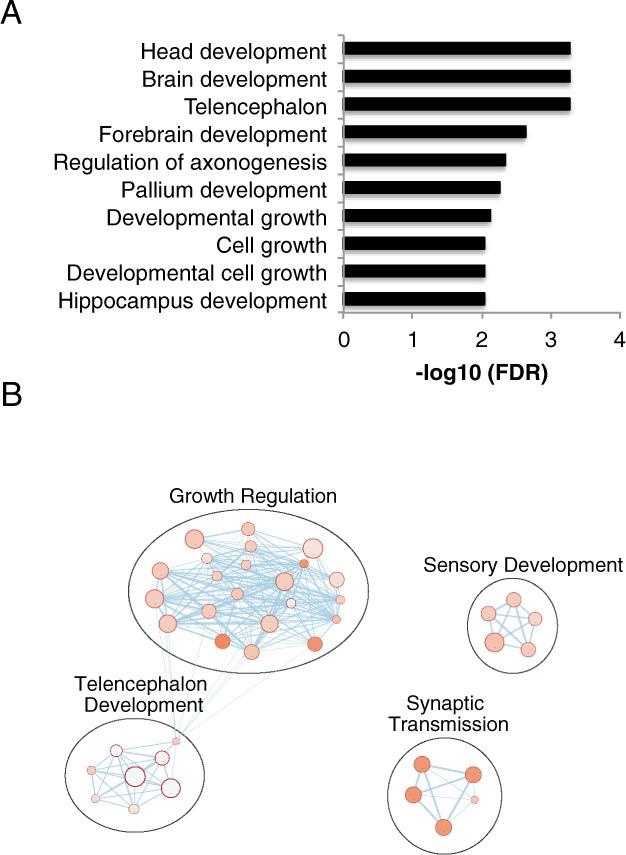
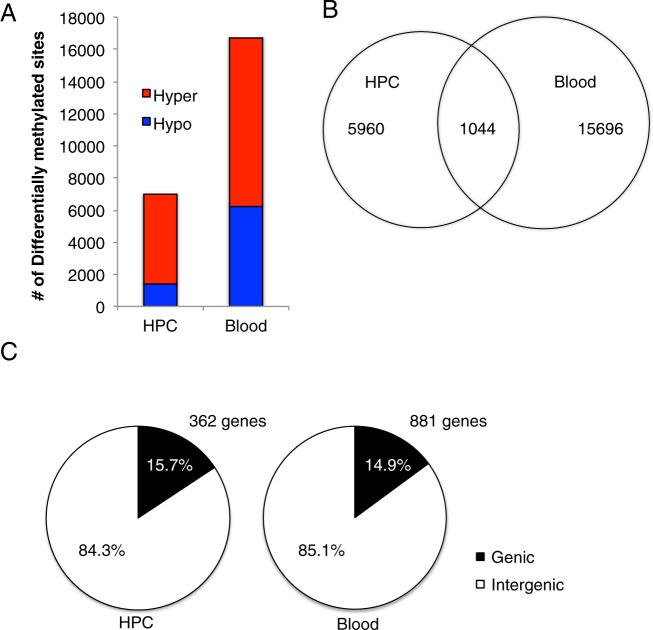
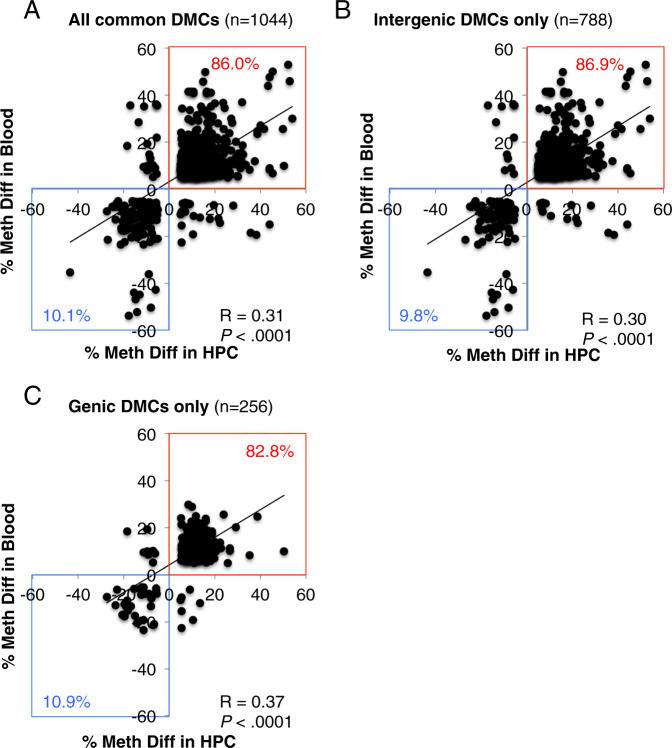
Synthetic glucocorticoids (sGC) are administered to women at risk of preterm delivery, approximately 10% of all pregnancies. In animal models, offspring exposed to elevated glucocorticoids, either by administration of sGC or endogenous glucocorticoids as a result of maternal stress, show increased risk of developing behavioral, endocrine, and metabolic dysregulation. DNA methylation may play a critical role in long-lasting programming of gene regulation underlying these phenotypes. However, peripheral tissues such as blood are often the only accessible source of DNA for epigenetic analyses in humans. Here, we examined the hypothesis that prenatal sGC administration alters DNA methylation signatures in guinea pig offspring hippocampus and whole blood. We compared these signatures across the two tissue types to assess epigenetic biomarkers of common molecular pathways affected by sGC exposure. Guinea pigs were treated with sGC or saline in late gestation. Genome-wide modifications of DNA methylation were analyzed at single nucleotide resolution using reduced representation bisulfite sequencing in juvenile female offspring. Results indicate that there are tissue-specific as well as common methylation signatures of prenatal sGC exposure. Over 90% of the common methylation signatures associated with sGC exposure showed the same directionality of change in methylation. Among differentially methylated genes, 134 were modified in both hippocampus and blood, of which 61 showed methylation changes at identical CpG sites. Gene pathway analyses indicated that prenatal sGC exposure alters the methylation status of gene clusters involved in brain development. These data indicate concordance across tissues of epigenetic programming in response to alterations in glucocorticoid signaling.
合成糖皮质激素(sGC)用于有早产风险的孕妇,约占所有妊娠的 10%。在动物模型中,暴露于升高的糖皮质激素的后代,无论是通过给予 sGC 还是由于母体应激导致的内源性糖皮质激素,都表现出发展行为、内分泌和代谢失调的风险增加。DNA 甲基化可能在这些表型的基因调控的长期编程中发挥关键作用。然而,在人类中,外周组织(如血液)通常是进行表观遗传分析的唯一可及的 DNA 来源。在这里,我们假设产前 sGC 给药会改变豚鼠后代海马体和全血中的 DNA 甲基化特征。我们比较了这两种组织类型的特征,以评估受 sGC 暴露影响的常见分子途径的表观遗传生物标志物。豚鼠在妊娠晚期接受 sGC 或盐水治疗。使用简化代表性亚硫酸氢盐测序以单核苷酸分辨率分析了幼年雌性后代的 DNA 甲基化全基因组修饰。结果表明,存在组织特异性和共同的产前 sGC 暴露的甲基化特征。与 sGC 暴露相关的共同甲基化特征中,有超过 90%显示出相同的甲基化变化方向。在差异甲基化基因中,有 134 个在海马体和血液中都发生了修饰,其中 61 个在相同的 CpG 位点显示出甲基化变化。基因途径分析表明,产前 sGC 暴露改变了与大脑发育相关的基因簇的甲基化状态。这些数据表明,在糖皮质激素信号改变的情况下,组织之间的表观遗传编程具有一致性。

 Zotero 插件