
过敏原香味分子:COVID-19 的潜在缓解剂。
Allergen fragrance molecules: a potential relief for COVID-19.
机构信息
EPS FRAGRANCES (Erdogmus Parfum Sanayi), Mithatpaşa Mah, Gökşin Sok, No: 33A, 34075, Kemerburgaz, İstanbul, Türkiye.
Başkent Üniversitesi, İzmir Zübeyde Hanım Uygulama Merkezi, Caher Dudayev Bulvarı no: 175 Bostanlı Karşıyaka, İzmir, Türkiye.
出版信息
BMC Complement Med Ther. 2021 Jan 21;21(1):41. doi: 10.1186/s12906-021-03214-4.
BACKGROUND
The latest coronavirus SARS-CoV-2, discovered in China and rapidly spread Worldwide. COVID-19 affected millions of people and killed hundreds of thousands worldwide. There are many ongoing studies investigating drug(s) suitable for preventing and/or treating this pandemic; however, there are no specific drugs or vaccines available to treat or prevent SARS-CoV-2 as of today.
METHODS
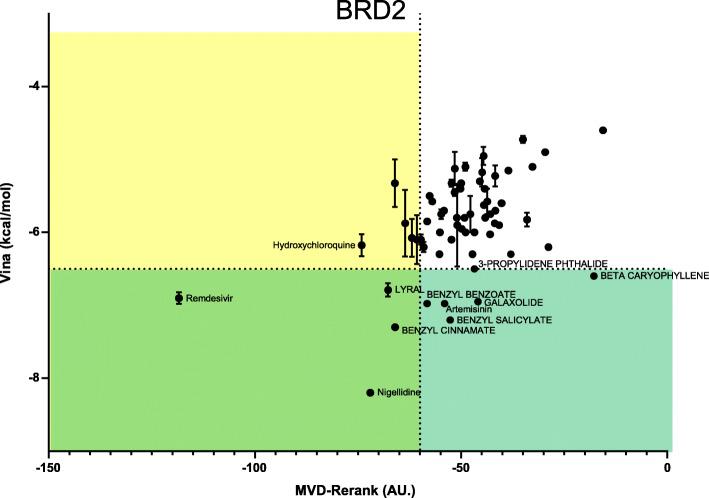
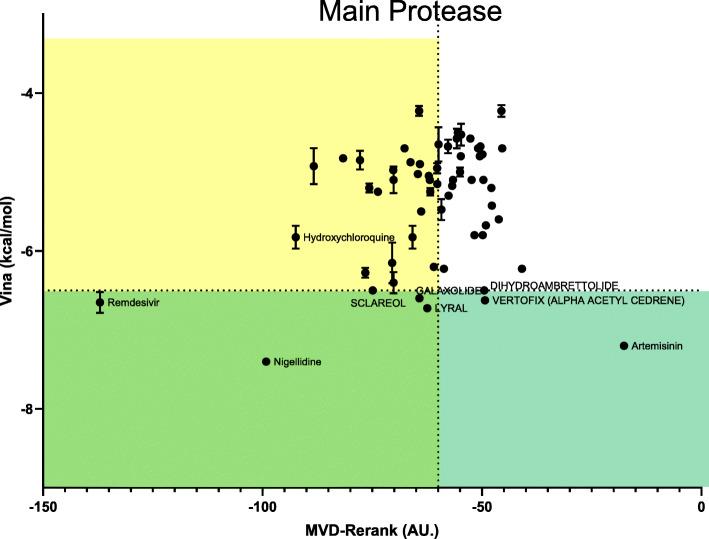
Fifty-eight fragrance materials, which are classified as allergen fragrance molecules, were selected and used in this study. Docking simulations were carried out using four functional proteins; the Covid19 Main Protase (MPro), Receptor binding domain (RBD) of spike protein, Nucleocapsid, and host Bromodomain protein (BRD2), as target macromolecules. Three different software, AutoDock, AutoDock Vina (Vina), and Molegro Virtual Docker (MVD), running a total of four different docking protocol with optimized energy functions were used. Results were compared with the five molecules reported in the literature as potential drugs against COVID-19. Virtual screening was carried out using Vina, molecules satisfying our cut-off (- 6.5 kcal/mol) binding affinity was confirmed by MVD. Selected molecules were analyzed using the flexible docking protocol of Vina and AutoDock default settings.
RESULTS
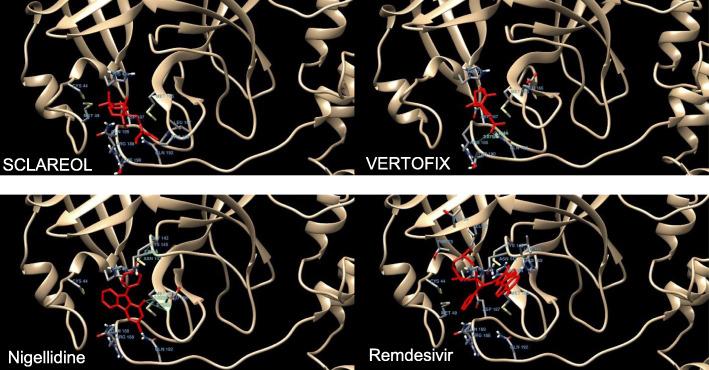
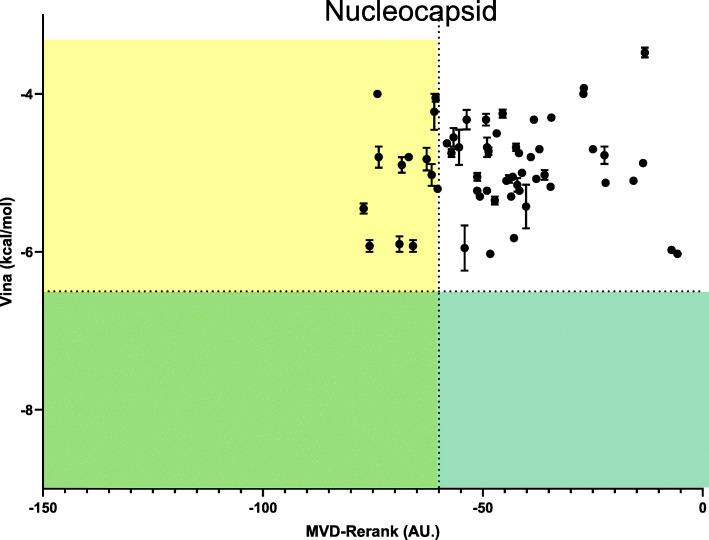
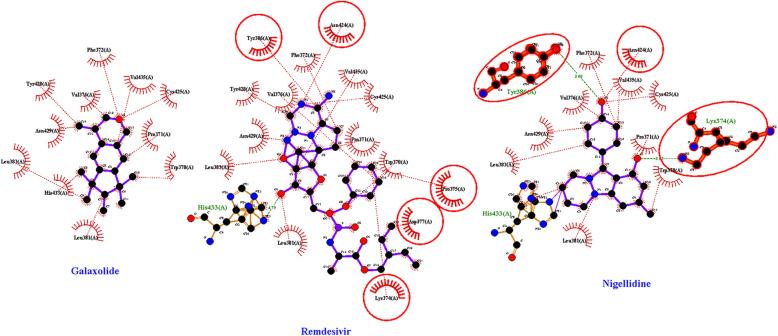
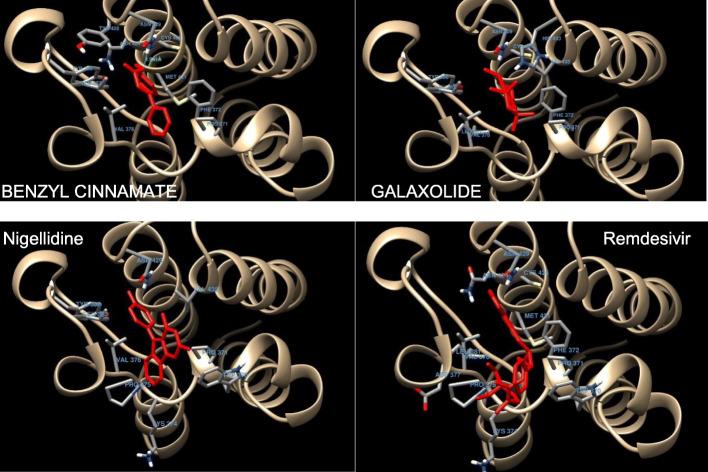
Ten out of 58 allergen fragrance molecules were selected for further docking studies. MPro and BRD2 are potential targets for the tested allergen fragrance molecules, while RBD and Nucleocapsid showed weak binding energies. According to AutoDock results, three molecules, Benzyl Cinnamate, Dihydroambrettolide, and Galaxolide, had good binding affinities to BRD2. While Dihydroambrettolide and Galaxolide showed the potential to bind to MPro, Sclareol and Vertofix had the best calculated binding affinities to this target. When the flexible docking results analyzed, all the molecules tested had better calculated binding affinities as expected. Benzyl Benzoate and Benzyl Salicylate showed good binding affinities to BRD2. In the case of MPro, Sclareol had the lowest binding affinity among all the tested allergen fragrance molecules.
CONCLUSION
Allergen fragrance molecules are readily available, cost-efficient, and shown to be safe for human use. Results showed that several of these molecules had comparable binding affinities as the potential drug molecules reported in the literature to target proteins. Thus, these allergen molecules at correct doses could have significant health benefits.
背景
最新的冠状病毒 SARS-CoV-2 在中国发现并迅速在全球范围内传播。COVID-19 影响了数百万人,导致全球数十万人死亡。目前有许多正在进行的研究旨在寻找适合预防和/或治疗这种大流行的药物;然而,截至今天,尚无专门用于治疗或预防 SARS-CoV-2 的药物或疫苗。
方法
选择了 58 种被归类为过敏原香料分子的香料材料,并在本研究中使用。使用四个功能蛋白(Covid19 主蛋白酶(MPro)、刺突蛋白的受体结合域(RBD)、核衣壳和宿主溴结构域蛋白(BRD2))作为靶大分子进行对接模拟。使用三种不同的软件(AutoDock、AutoDock Vina(Vina)和 Molegro Virtual Docker(MVD)),总共运行了四个不同的对接协议,并优化了能量函数。结果与文献中报道的五种作为 COVID-19 潜在药物的分子进行了比较。使用 Vina 进行虚拟筛选,使用 MVD 确认满足我们截止值(-6.5 kcal/mol)的结合亲和力的分子。使用 Vina 的柔性对接协议和 AutoDock 默认设置分析选定的分子。
结果
从 58 种过敏原香料分子中选择了 10 种进行进一步的对接研究。MPro 和 BRD2 是测试过敏原香料分子的潜在靶标,而 RBD 和核衣壳显示出较弱的结合能。根据 AutoDock 的结果,三种分子苯肉桂酸酯、二氢戊内酯和加洛赛洛具有与 BRD2 良好的结合亲和力。二氢戊内酯和加洛赛洛显示出与 MPro 结合的潜力,而檀香醇和 Vertofix 对该靶标具有最佳的计算结合亲和力。当分析柔性对接结果时,所有测试的分子都表现出预期的更好的计算结合亲和力。苯甲酯和水杨酸苄酯与 BRD2 具有良好的结合亲和力。在 MPro 的情况下,檀香醇在所有测试的过敏原香料分子中具有最低的结合亲和力。
结论
过敏原香料分子易于获得、成本效益高,且已被证明对人体安全。结果表明,这些分子中的一些与文献中报道的潜在药物分子对靶蛋白具有相当的结合亲和力。因此,正确剂量的这些过敏原分子可能会带来显著的健康益处。


 Zotero 插件