
巴斯科姆裂层提升术作为藏毛疾病所有表现形式的一种解决方案。
The Bascom Cleft Lift as a Solution for All Presentations of Pilonidal Disease.
作者信息
Immerman Steven C
机构信息
General Surgery, Evergreen Surgical, Eau Claire, USA.
出版信息
Cureus. 2021 Feb 1;13(2):e13053. doi: 10.7759/cureus.13053.
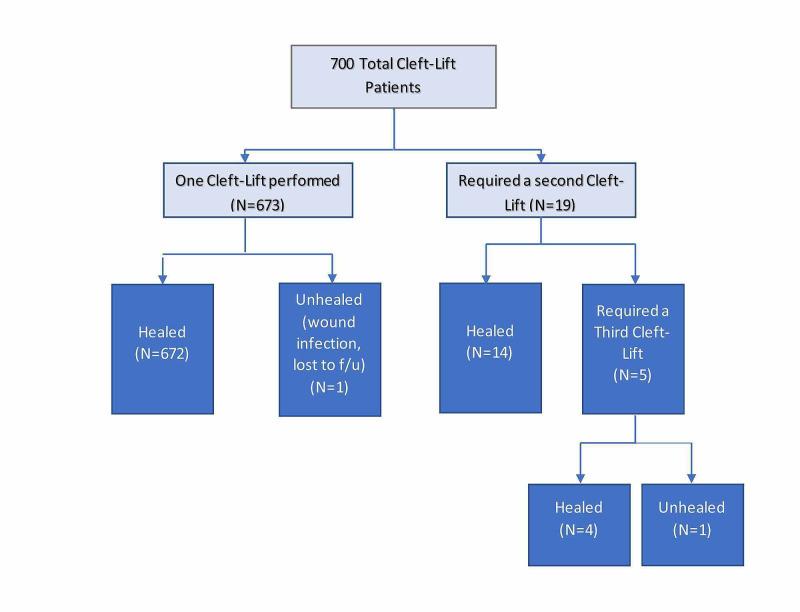
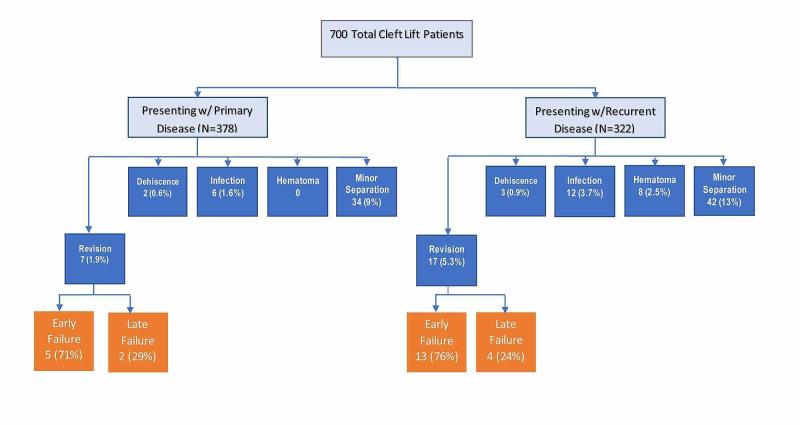
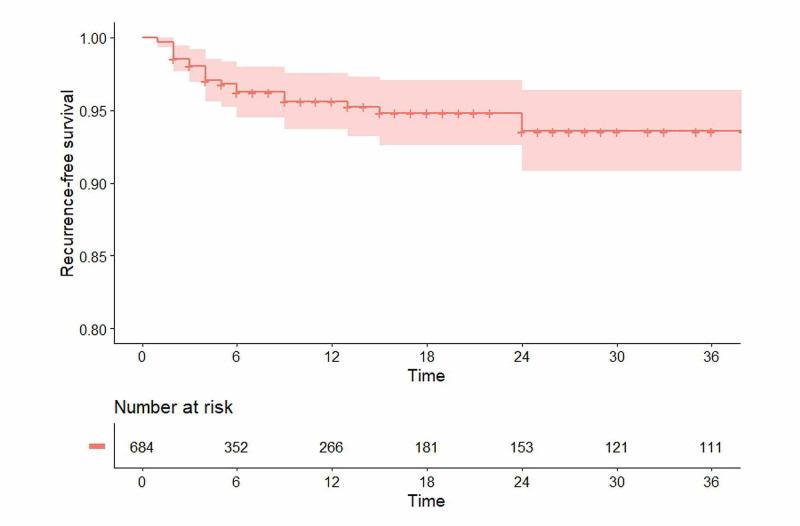
Objective This study is a report on 700 consecutive patients treated with the Bascom cleft lift as treatment for both simple and complex pilonidal diseases between 1993 and 2020. Patients and methods The Bascom cleft lift was used in patients with primary disease, recurrent disease, perianal disease, and failed flap procedures. Some technical modifications had to be made to accommodate patients with perianal disease, and they are described. All patients were treated by the author in private practice clinics and hospitals between 1993 and 2020 and were entered into a database concomitantly with their treatment. Patients were subsequently surveyed in preparation for this study, by phone, email, or email survey to determine the current status. The procedure consisted of excision of the sinus tracts, cysts, and open wounds; raising a skin and subcutaneous tissue flap; and flattening the gluteal cleft. Failure of the procedure was defined as lack of complete healing or recurrent pilonidal disease requiring revisional surgery. Complications were recorded and are described. Results We found that of the 700 patients, 3.4% required revision of the cleft lift (confidence interval for proportion based on binomial distribution: 2.1%-4.8%). The median follow-up time for patients without recurrence was six months (IQR: 2-19.5). Once primary healing was obtained, there were no late recurrences in the 156 patients followed beyond 24 months. Factors that negatively impacted the success rate were having had previous failed pilonidal surgery (5.3% required revision) and open wounds on the edge of the anus (15.5% required revision). Conclusions The Bascom cleft lift had an overall success rate of 96.6%. There was no category of patients for which this was not a good option, but analysis of this data reveals that patients who have had previous failed surgery, and patients with wounds on the edge of the anus had a higher failure rate than the group as a whole.
目的 本研究报告了1993年至2020年间连续700例接受巴斯康氏裂隙提升术治疗单纯性和复杂性藏毛疾病的患者情况。
患者与方法 巴斯康氏裂隙提升术用于原发性疾病、复发性疾病、肛周疾病以及皮瓣手术失败的患者。针对肛周疾病患者进行了一些技术改良,并予以描述。1993年至2020年间,所有患者均由作者在私人诊所和医院进行治疗,并在接受治疗的同时录入数据库。随后通过电话、电子邮件或电子邮件调查对患者进行随访,以确定其当前状况。该手术包括切除窦道、囊肿和开放性伤口;掀起皮肤和皮下组织皮瓣;以及平整臀沟。手术失败定义为未完全愈合或复发性藏毛疾病需要再次手术。记录并描述了并发症情况。
结果 我们发现,700例患者中,3.4%需要对裂隙提升术进行修正(基于二项分布的比例置信区间:2.1%-4.8%)。无复发患者的中位随访时间为6个月(四分位间距:2-19.5个月)。156例随访超过24个月的患者一旦实现一期愈合,便无晚期复发情况。对成功率产生负面影响的因素包括既往藏毛手术失败(5.3%需要修正)以及肛门边缘开放性伤口(15.5%需要修正)。
结论 巴斯康氏裂隙提升术的总体成功率为96.6%。没有哪一类患者不适合采用该手术,但对这些数据的分析表明,既往手术失败的患者以及肛门边缘有伤口的患者的失败率高于总体人群。


 Zotero 插件