
作为抗动脉粥样硬化治疗靶点的内皮细胞:聚焦于表观遗传酶EZH2和SIRT1
The Endothelium as a Target for Anti-Atherogenic Therapy: A Focus on the Epigenetic Enzymes EZH2 and SIRT1.
作者信息
Fledderus Jolien, Vanchin Byambasuren, Rots Marianne G, Krenning Guido
机构信息
Medical Biology Section, Laboratory for Cardiovascular Regenerative Medicine, Department Pathology and Medical Biology, University Medical Center Groningen, University of Groningen, Hanzeplein 1 (EA11), 9713 GZ Groningen, The Netherlands.
Department Cardiology, School of Medicine, Mongolian National University of Medical Sciences, Jamyan St 3, Ulaanbaatar 14210, Mongolia.
出版信息
J Pers Med. 2021 Feb 5;11(2):103. doi: 10.3390/jpm11020103.
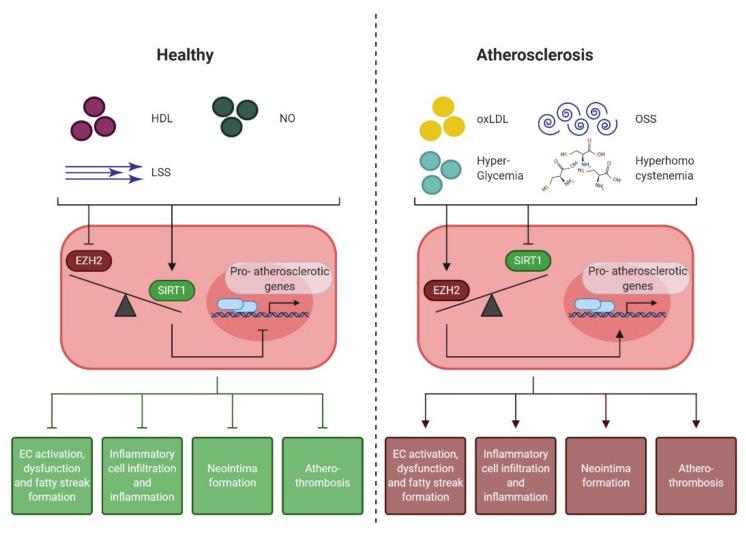
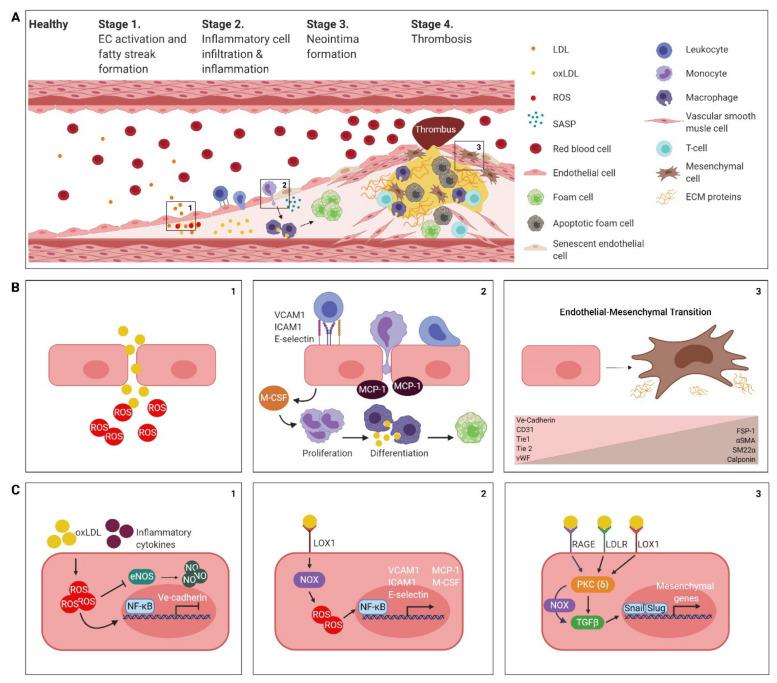
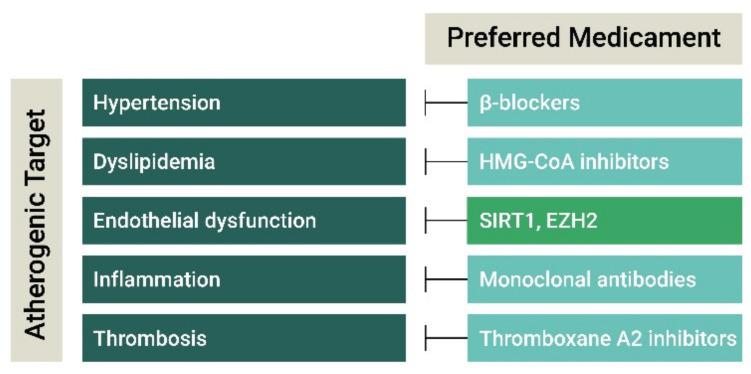
Endothelial cell inflammatory activation and dysfunction are key events in the pathophysiology of atherosclerosis, and are associated with an elevated risk of cardiovascular events. Yet, therapies specifically targeting the endothelium and atherosclerosis are lacking. Here, we review how endothelial behaviour affects atherogenesis and pose that the endothelium may be an efficacious cellular target for antiatherogenic therapies. We discuss the contribution of endothelial inflammatory activation and dysfunction to atherogenesis and postulate that the dysregulation of specific epigenetic enzymes, EZH2 and SIRT1, aggravate endothelial dysfunction in a pleiotropic fashion. Moreover, we propose that commercially available drugs are available to clinically explore this postulation.
内皮细胞炎症激活和功能障碍是动脉粥样硬化病理生理学中的关键事件,并且与心血管事件风险升高相关。然而,目前缺乏专门针对内皮细胞和动脉粥样硬化的疗法。在此,我们综述内皮细胞行为如何影响动脉粥样硬化的发生,并认为内皮细胞可能是抗动脉粥样硬化疗法的有效细胞靶点。我们讨论了内皮细胞炎症激活和功能障碍对动脉粥样硬化发生的作用,并推测特定表观遗传酶EZH2和SIRT1的失调以多效性方式加重内皮功能障碍。此外,我们提出可以使用市售药物在临床上探索这一推测。
 Zotero 插件