
烂到皮质:糖尿病肾病中的神经酰胺介导的脂毒性。
Rotten to the Cortex: Ceramide-Mediated Lipotoxicity in Diabetic Kidney Disease.
机构信息
Department of Nutrition and Integrative Physiology, University of Utah, Salt Lake City, UT, United States.
Diabetes and Metabolism Research Center, University of Utah School of Medicine, Salt Lake City, UT, United States.
出版信息
Front Endocrinol (Lausanne). 2021 Jan 28;11:622692. doi: 10.3389/fendo.2020.622692. eCollection 2020.
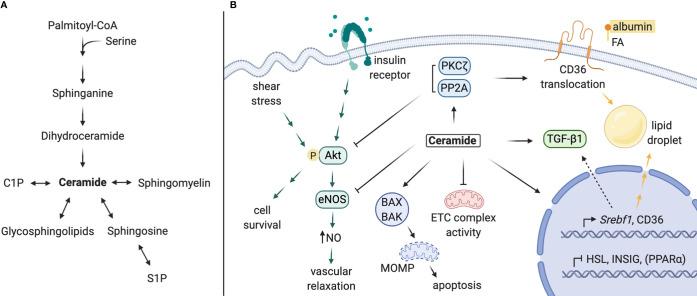
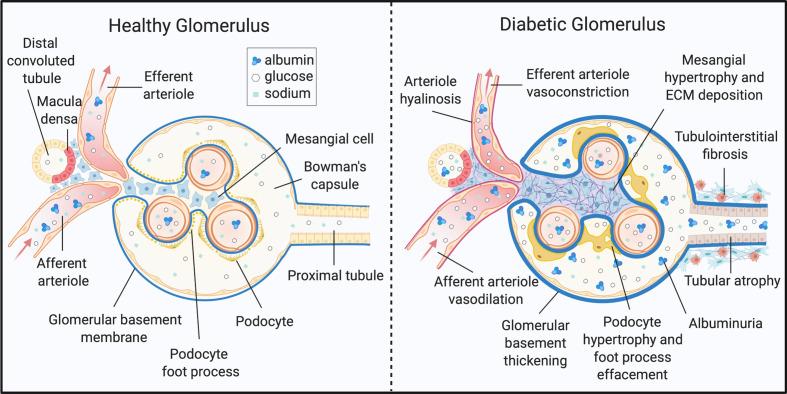
Diabetic kidney disease (DKD) is a prevalent and progressive comorbidity of diabetes mellitus that increases one's risk of developing renal failure. Progress toward development of better DKD therapeutics is limited by an incomplete understanding of forces driving and connecting the various features of DKD, which include renal steatosis, fibrosis, and microvascular dysfunction. Herein we review the literature supporting roles for bioactive ceramides as inducers of local and systemic DKD pathology. In rodent models of DKD, renal ceramides are elevated, and genetic and pharmacological ceramide-lowering interventions improve kidney function and ameliorate DKD histopathology. In humans, circulating sphingolipid profiles distinguish human DKD patients from diabetic controls. These studies highlight the potential for ceramide to serve as a central and therapeutically tractable lipid mediator of DKD.
糖尿病肾病(DKD)是糖尿病普遍且进行性的并发症,会增加患者肾衰竭的风险。由于对导致和连接 DKD 各种特征的力量(包括肾脂肪变性、纤维化和微血管功能障碍)的理解并不完整,因此在开发更好的 DKD 治疗方法方面进展缓慢。在此,我们综述了支持生物活性神经酰胺作为局部和全身 DKD 病理诱导物的文献。在 DKD 的啮齿动物模型中,肾脏神经酰胺升高,遗传和药理学神经酰胺降低干预可改善肾功能并改善 DKD 组织病理学。在人类中,循环神经鞘脂谱可将人类 DKD 患者与糖尿病对照组区分开来。这些研究强调了神经酰胺作为 DKD 的中心和治疗上可处理的脂质介质的潜力。
 Zotero 插件