
应用于可穿戴平台以监测肢体关节运动的 CNT 涂层纺织传感器的条件。
Conditions for CNT - Coated Textile Sensors Applied to Wearable Platforms to Monitor Limb Joint Motion.
机构信息
Department of Clothing & Textiles, College of Human Ecology, Yonsei University, 50 Yonsei-ro, Seodaemun-gu, Seoul, 03722, Republic of Korea.
Department of Biomedical Engineering, College of Biomedical &Health Science, Konkuk University, 268 Chungwon-daero, Chungju-si, Chungcheongbuk-do, 27478, Republic of Korea.
出版信息
J Med Syst. 2021 Feb 19;45(4):41. doi: 10.1007/s10916-021-01709-8.
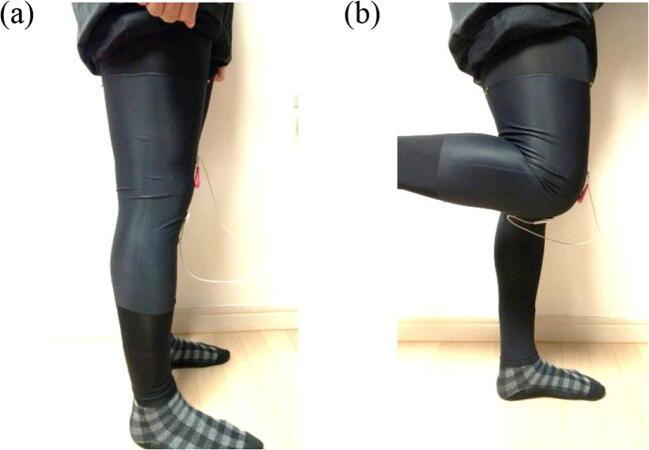
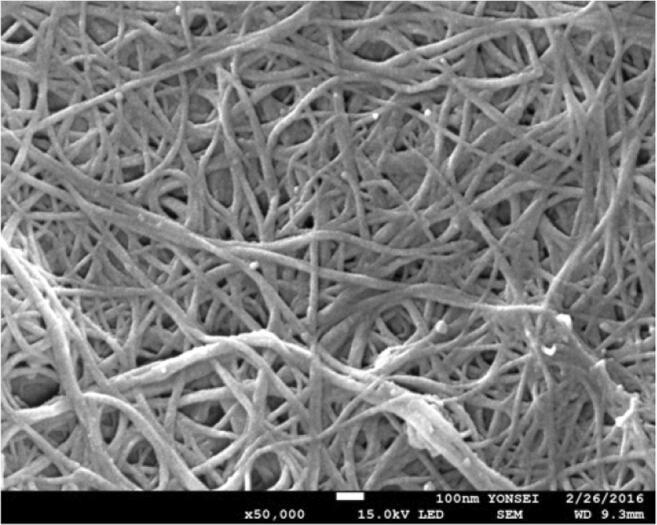
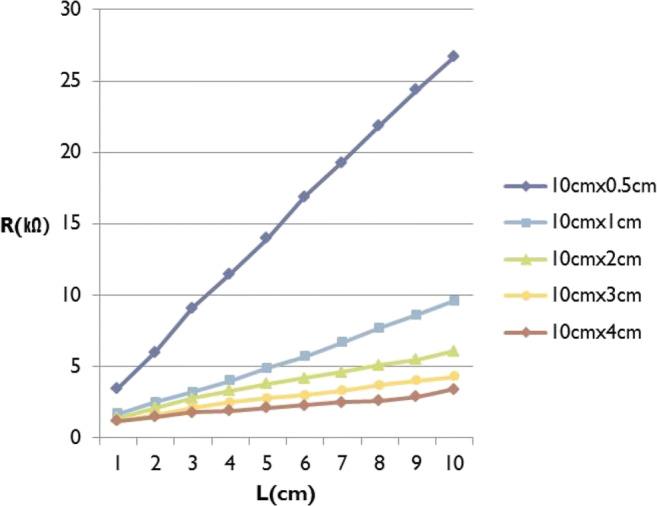
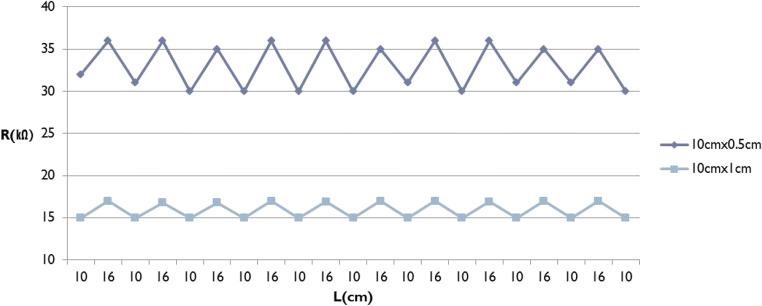
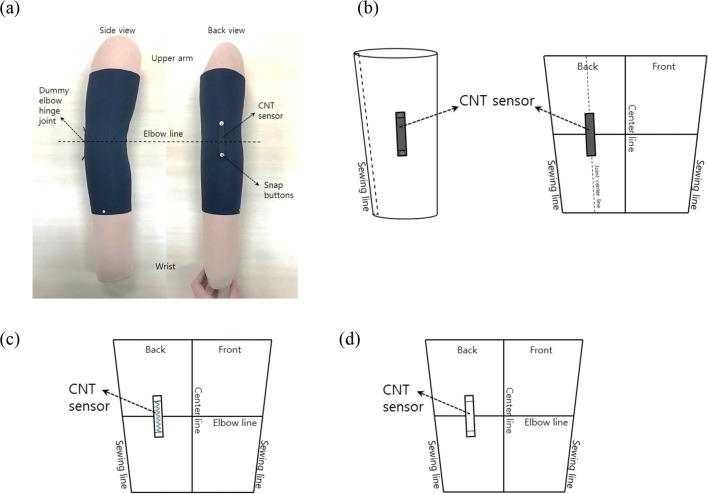
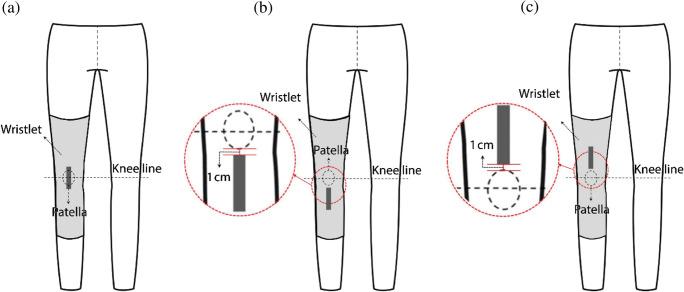
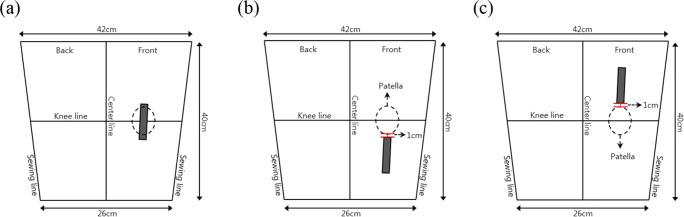
Despite recent research on joint motion measurement to monitor human body movement, current measurement techniques and tools have significant limitations, including requiring large space for measurement and causing discomfort in test subjects wearing motion sensors. Our study aims, first, to develop carbon nanotube (CNT)-based textile joint motion sensors. Second, ours study aims to identify the most suitable CNT-based sensor structure and attachment method for use on a wearable platform during general exercise speeds. Lastly, we used these sensors on the human body, using sleeves and legs to find the most stable location, and we used the CNT-based sensor condition to monitor joint motions. We utilized our CNT-based sensor, which has proper elasticity as well as conductivity, and applied it to the elbow and knee joints. Based on the strain gauge principle, we monitored the variance of electric resistance that occurred when the CNT-based sensor was stretched due to limb motion. Our study tested 48 types of sensors. These sensors were applied to the CNT using different base knit textiles as well as different attachment methods, layers, sensor lengths, and sensor widths. The four most successful sensor types, which showed superior efficacy over the others in joint motion measurement, were selected for further study. These four sensors were then used to measure the elbow and knee joint motions of human subjects by placing them on different locations on sleeves and legs. The CNT knit textile sensors best suited to measuring joint motions are those with a double-layered CNT knit and 5 cm long × 0.5 cm or 1 cm wide sensors attached to a polyester¬-based knit using a welding method. The best position for the sensor to more stably monitor joint motions was the "below hinge position" from the elbow or knee hinge joint. Our study suggests an alternative strategy for joint-motion measurement that could contribute to the development of more comfortable and human-friendly methods of human limb motion measurement.
尽管最近有研究关注关节运动测量以监测人体运动,但当前的测量技术和工具存在显著的局限性,包括需要较大的测量空间以及佩戴运动传感器的测试对象感到不适。我们的研究旨在:首先,开发基于碳纳米管 (CNT) 的纺织关节运动传感器。其次,确定最适合基于 CNT 的传感器结构和附着方法,以便在一般运动速度下在可穿戴平台上使用。最后,我们将这些传感器应用于人体,使用袖子和腿部找到最稳定的位置,并使用基于 CNT 的传感器条件来监测关节运动。我们利用具有适当弹性和导电性的基于 CNT 的传感器,并将其应用于肘部和膝关节。基于应变计原理,我们监测了由于肢体运动导致 CNT 传感器拉伸时电阻变化的情况。我们的研究测试了 48 种传感器。这些传感器通过不同的基础针织纺织品以及不同的附着方法、层、传感器长度和传感器宽度应用于 CNT。选择了四种在关节运动测量中表现优于其他传感器的最成功的传感器类型进行进一步研究。然后,将这四个传感器放置在袖子和腿部的不同位置,用于测量人体肘部和膝关节的运动。最适合测量关节运动的 CNT 针织传感器是那些具有双层 CNT 针织和 5 cm 长×0.5 cm 或 1 cm 宽的传感器,使用焊接方法附着在聚酯基针织上的传感器。传感器更稳定地监测关节运动的最佳位置是肘部或膝部铰链关节的“铰链下方位置”。我们的研究提出了一种替代的关节运动测量策略,有助于开发更舒适和人性化的人体肢体运动测量方法。


 Zotero 插件