
双歧杆菌 G9-1 通过改善肠道菌群失调纠正丁酸生成和神经递质谱来改善洛哌丁胺诱导的慢传输型便秘。
Improvement of loperamide-induced slow transit constipation by Bifidobacterium bifidum G9-1 is mediated by the correction of butyrate production and neurotransmitter profile due to improvement in dysbiosis.
机构信息
R&D Center, Biofermin Pharmaceutical Co., Ltd., Kobe, Japan.
出版信息
PLoS One. 2021 Mar 22;16(3):e0248584. doi: 10.1371/journal.pone.0248584. eCollection 2021.
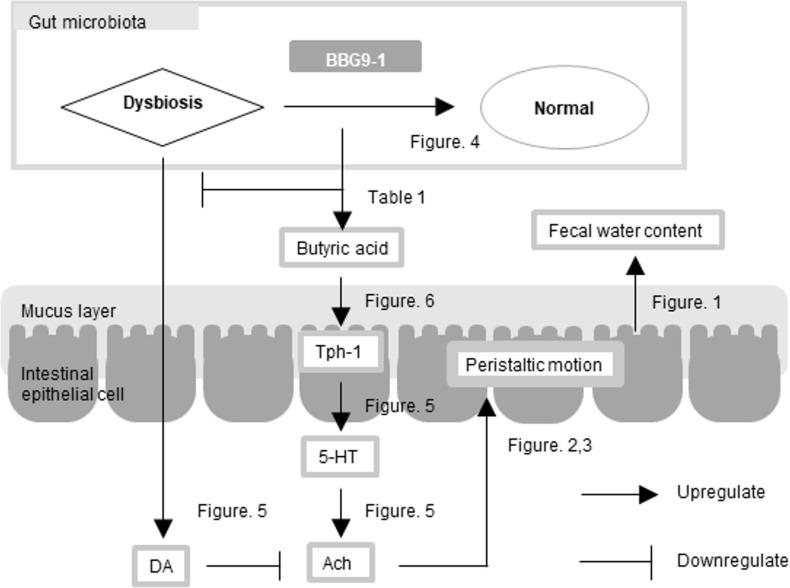
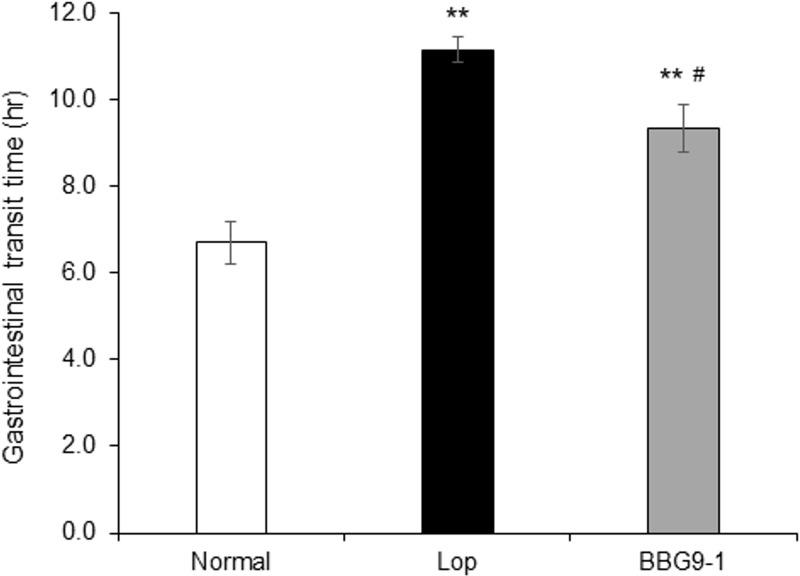
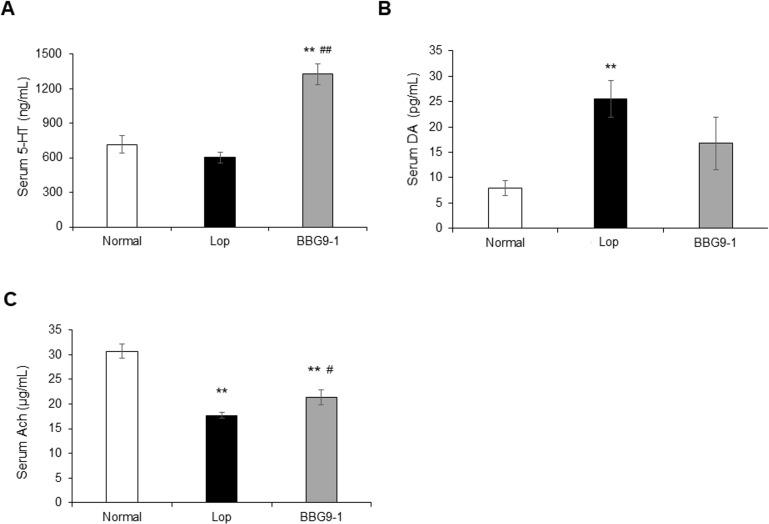
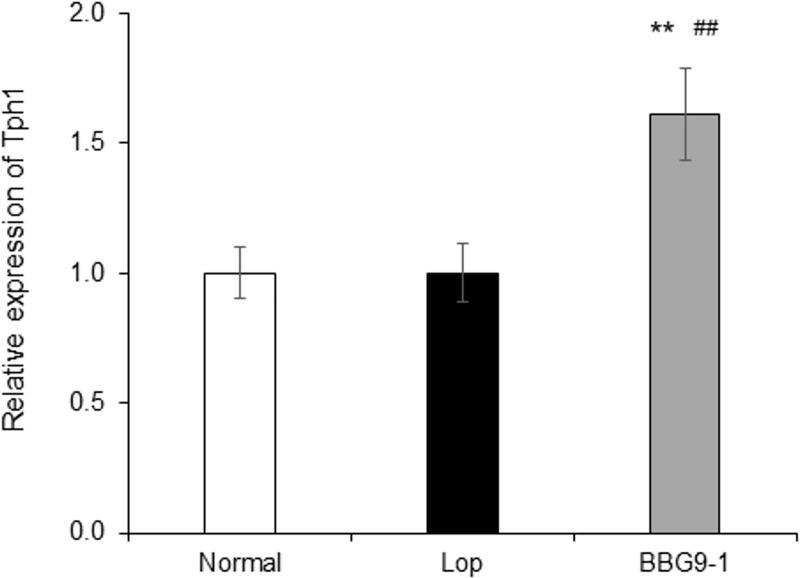
A treatment option for constipation that improves the quality of life is needed since available laxatives do not effectively improve the quality of life in patients with constipation. A significant association between gut dysbiosis and constipation is recognized, suggesting that probiotics may be an important option for management of constipation. The underlying mechanism by which probiotics improve constipation remains unclear. In this study, we aimed to evaluate the effects of the probiotic Bifidobacterium bifidum G9-1 (BBG9-1) on loperamide-induced delayed colonic transit constipation and to elucidate its mechanism of action. First, the effect of BBG9-1 was evaluated in a rat model of constipation induced by subcutaneous administration of loperamide. BBG9-1 improved constipation parameters (number of feces, fecal water content, and fecal hardness) in constipated rats. Next, the relationship of organic acids and neurotransmitters to gut microbiota was investigated. BBG9-1 improved dysbiosis and prevented a decrease in butyric acid concentration in the gut, increased serum serotonin, and suppressed an increase in dopamine and a decrease in acetylcholine in serum. Further, an increase in the expression level of tryptophan hydroxylase 1, a 5-HT-synthetizing enzyme, was observed. These results suggest that BBG9-1 improves dysbiosis, which results in an increase in organic acids and improvement of neurotransmission. These actions may increase intestinal mobility, finally leading to alleviating constipation. The probiotic BBG9-1 may, therefore, be a potential option for the treatment of constipation.
需要一种能够改善生活质量的便秘治疗方法,因为现有的泻药并不能有效地改善便秘患者的生活质量。肠道菌群失调与便秘之间存在显著的关联,这表明益生菌可能是治疗便秘的重要选择。益生菌改善便秘的潜在机制尚不清楚。在这项研究中,我们旨在评估益生菌双歧杆菌 Bifidobacterium bifidum G9-1(BBG9-1)对洛哌丁胺诱导的迟发性结肠转运性便秘的影响,并阐明其作用机制。首先,我们在皮下给予洛哌丁胺诱导的便秘大鼠模型中评估了 BBG9-1 的作用。BBG9-1 改善了便秘大鼠的便秘参数(粪便数量、粪便含水量和粪便硬度)。接下来,我们研究了有机酸和神经递质与肠道微生物群的关系。BBG9-1 改善了肠道菌群失调,并防止了肠道中丁酸浓度的降低,增加了血清中的血清素,并抑制了血清中多巴胺的增加和乙酰胆碱的降低。此外,还观察到色氨酸羟化酶 1(一种 5-HT 合成酶)的表达水平增加。这些结果表明,BBG9-1 改善了肠道菌群失调,导致有机酸增加和神经递质传递改善。这些作用可能会增加肠道蠕动,最终缓解便秘。因此,益生菌 BBG9-1 可能是治疗便秘的一种潜在选择。



 Zotero 插件