
一种用于预测吸烟相关鳞状细胞癌预后的新型标志物
A Novel Signature for Predicting Prognosis of Smoking-Related Squamous Cell Carcinoma.
作者信息
Chen Chang, Cheng Xiaoqing, Li Shuyan, Chen Huanghui, Cui Mengjing, Bian Linlin, Jin Hui
机构信息
Department of Epidemiology and Health Statistics, School of Public Health, Southeast University, Nanjing, China.
Jiangsu Provincial Center for Disease Control and Prevention (Jiangsu Institution of Public Health), Nanjing, China.
出版信息
Front Genet. 2021 Apr 22;12:666371. doi: 10.3389/fgene.2021.666371. eCollection 2021.
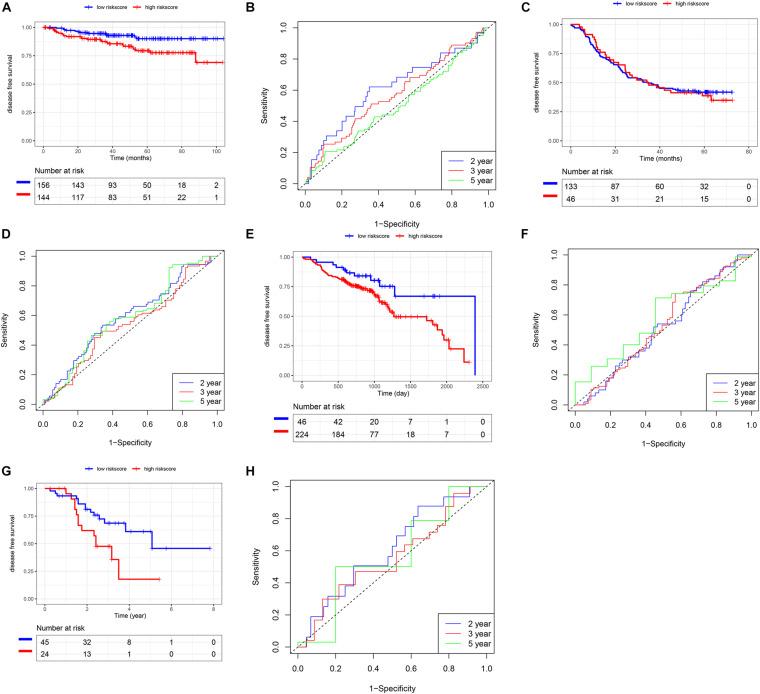
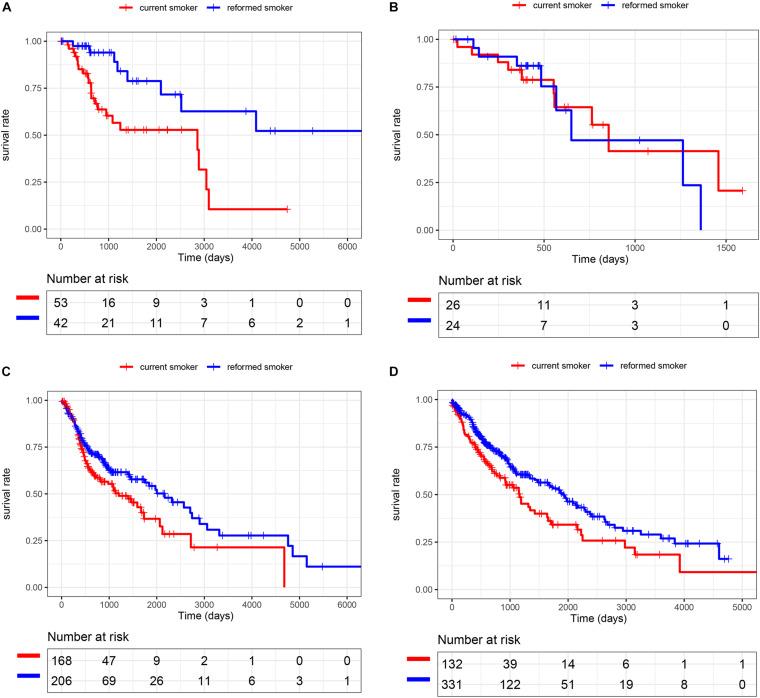
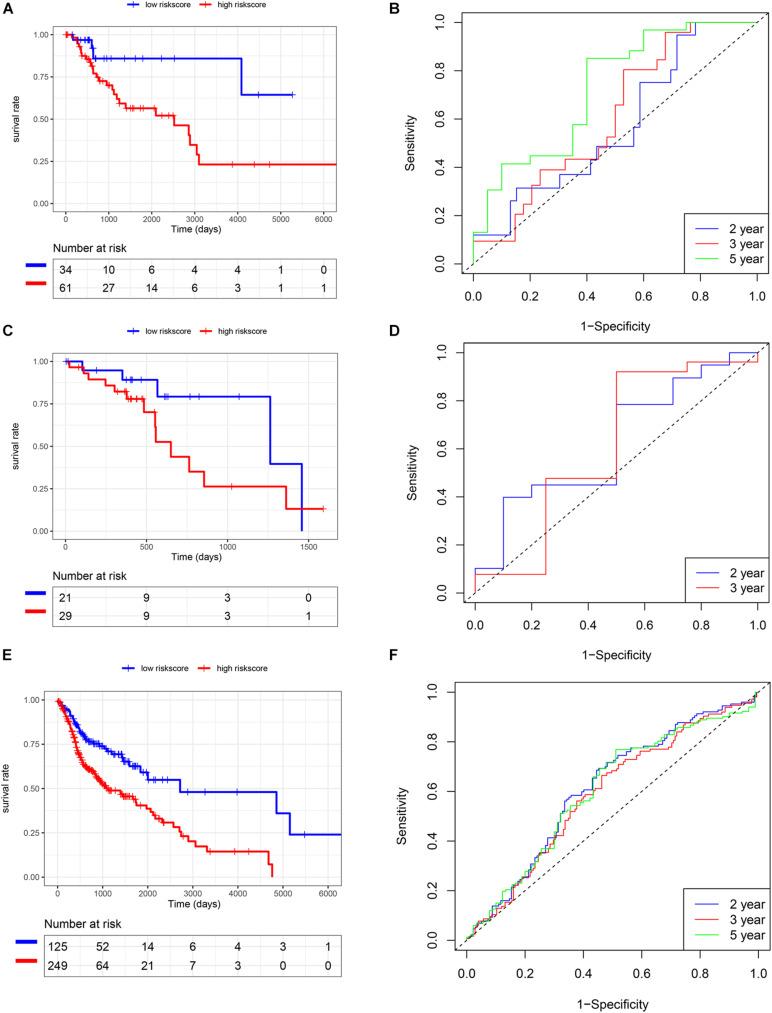
Tobacco smoking is an established risk factor for squamous cell carcinoma (SCC). We obtained smoking-related SCC, including cervical SCC (CSCC), esophageal SCC (ESCC), head and neck SCC (HNSC), and lung SCC (LUSC), from The Cancer Genome Atlas (TCGA) database to investigate the association between smoking status (reformed and current smoking) and prognosis. We found that reformed smokers had a better prognosis than current smokers in CSCC ( = 0.003), HNSC ( = 0.019), and LUSC ( < 0.01) cohorts. Then, we selected LUSC cohorts as the training cohort and other SCC cohorts as the test cohorts. Function analysis revealed that homologous recombination (HR) was the most significant pathway involved in smoking-induced LUSC. Moreover, the effect of cross-talk between the smoking status and HR deficiency (HRD) on the prognosis was further evaluated, revealing that quitting smoking with high HRD scores could significantly improve patients' prognosis ( < 0.01). To improve prognosis prediction and more effectively screen suitable populations for platinum drugs and poly-ADP-ribose polymerase (PARP) inhibitors, we constructed a risk score model using smoking- and HRD-related genes in LUSC. The risk score model had high power for predicting 2-, 3-, and 5-year survival ( < 0.01, AUC = 0.67, 0.66, and 0.66). In addition, the risk scores were an independent risk factor for LUSC (HR = 2.34, 95%CI = 1.70-3.23). The practical nomogram was also built using the risk score, smoking status, and other clinical information with a good c-index (0.72, 95%CI = 0.70-0.74). Finally, we used other TCGA SCC cohorts to confirm the reliability and validity of the risk score model ( < 0.01 and AUC > 0.6 at 2, 3, and 5 years in CSCC and HNSC cohorts). In conclusion, the present study suggested that smoking cessation should be a part of smoking-related SCC treatment, and also provided a risk score model to predict prognosis and improve the effectiveness of screening the platinum/PARP population.
吸烟是鳞状细胞癌(SCC)公认的风险因素。我们从癌症基因组图谱(TCGA)数据库中获取了与吸烟相关的SCC,包括宫颈SCC(CSCC)、食管SCC(ESCC)、头颈部SCC(HNSC)和肺SCC(LUSC),以研究吸烟状态(戒烟和当前吸烟)与预后之间的关联。我们发现,在CSCC(P = 0.003)、HNSC(P = 0.019)和LUSC(P < 0.01)队列中,戒烟者的预后优于当前吸烟者。然后,我们选择LUSC队列作为训练队列,其他SCC队列作为测试队列。功能分析显示,同源重组(HR)是吸烟诱导的LUSC中最显著的途径。此外,进一步评估了吸烟状态与HR缺陷(HRD)之间的相互作用对预后的影响,结果显示,HRD评分高时戒烟可显著改善患者预后(P < 0.01)。为了改善预后预测并更有效地筛选适合使用铂类药物和聚ADP核糖聚合酶(PARP)抑制剂的人群,我们在LUSC中使用与吸烟和HRD相关的基因构建了一个风险评分模型。该风险评分模型对预测2年、3年和5年生存率具有较高的效能(P < 0.01,AUC = 0.67、0.66和0.66)。此外,风险评分是LUSC的独立风险因素(HR = 2.34,95%CI = 1.70 - 3.23)。还使用风险评分、吸烟状态和其他临床信息构建了实用的列线图,其c指数良好(0.72,95%CI = 0.70 - 0.74)。最后,我们使用其他TCGA SCC队列来证实风险评分模型的可靠性和有效性(CSCC和HNSC队列在2年、3年和5年时P < 0.01且AUC > 0.6)。总之,本研究表明戒烟应成为与吸烟相关的SCC治疗的一部分,并且还提供了一个风险评分模型来预测预后并提高筛选铂类/PARP人群的有效性。


 Zotero 插件