
药物重新利用:硫双二氯酚对[具体对象1]和[具体对象2]的抗菌及抗生物膜作用
Drug Repurposing: and Antimicrobial and Antibiofilm Effects of Bithionol Against and .
作者信息
She Pengfei, Wang Yangxia, Li Yingjia, Zhou Linying, Li Shijia, Zeng Xianghai, Liu Yaqian, Xu Lanlan, Wu Yong
机构信息
Department of Laboratory Medicine, Third Xiangya Hospital, Central South University, Changsha, China.
Department of Laboratory Medicine, The First Affiliated Hospital of Zhengzhou University, Zhengzhou, China.
出版信息
Front Microbiol. 2021 May 6;12:579806. doi: 10.3389/fmicb.2021.579806. eCollection 2021.
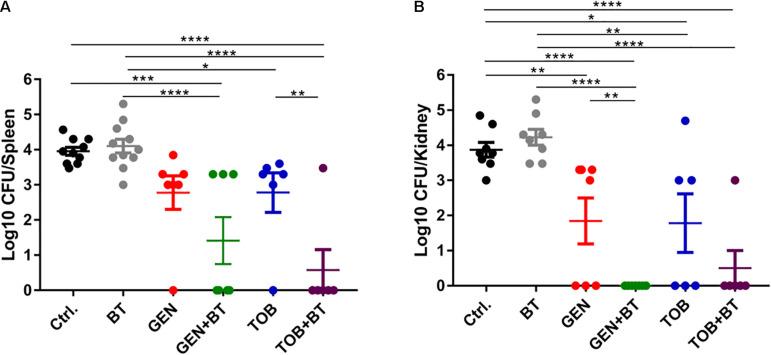
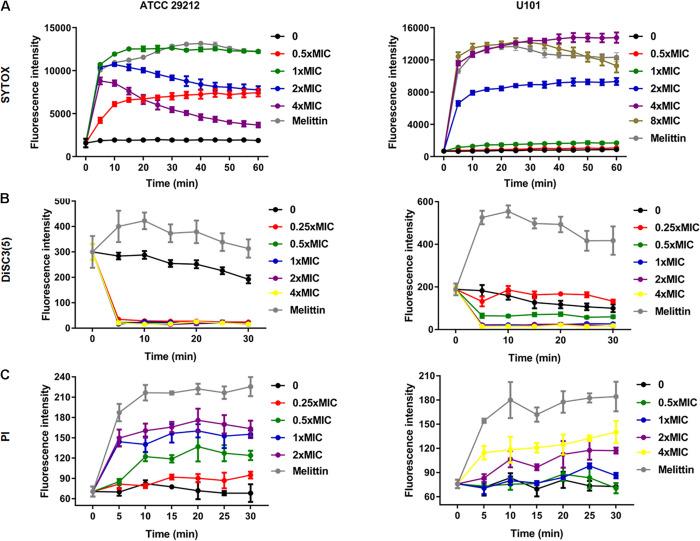
Widespread antibiotic resistance has been reported in enterococcal pathogens that cause life-threatening infections. Enterococci species rapidly acquire resistance and the pace of new antibiotic development is slow. Drug repurposing is a promising approach in solving this problem. Bithionol (BT) is a clinically approved anthelminthic drug. In this study, we found that BT showed significant antimicrobial and antibiofilm effects against and vancomycin-resistant , in a dose-dependent manner, by disrupting the integrity of the bacterial cell membranes. Moreover, BT effectively reduced the bacterial load in mouse organs when combined with conventional antibiotics in a peritonitis infection model. Thus, BT has shown potential as a therapeutic agent against - and vancomycin-resistant -related infections.
据报道,引起危及生命感染的肠球菌病原体中存在广泛的抗生素耐药性。肠球菌属物种迅速获得耐药性,而新抗生素的研发速度缓慢。药物重新利用是解决这一问题的一种有前景的方法。硫双二氯酚(BT)是一种临床批准的驱虫药。在本研究中,我们发现BT通过破坏细菌细胞膜的完整性,以剂量依赖的方式对粪肠球菌和耐万古霉素肠球菌显示出显著的抗菌和抗生物膜作用。此外,在腹膜炎感染模型中,BT与传统抗生素联合使用时可有效降低小鼠器官中的细菌载量。因此,BT已显示出作为治疗粪肠球菌和耐万古霉素肠球菌相关感染的治疗剂的潜力。



 Zotero 插件