
美国和英国消费者对人造肉的接受情况:一项细分研究。
US and UK Consumer Adoption of Cultivated Meat: A Segmentation Study.
作者信息
Szejda Keri, Bryant Christopher J, Urbanovich Tessa
机构信息
School of Social and Behavioral Sciences, Arizona State University, Glendale, AZ 85306, USA.
Department of Psychology, University of Bath, Bath BA2 7AY, UK.
出版信息
Foods. 2021 May 11;10(5):1050. doi: 10.3390/foods10051050.
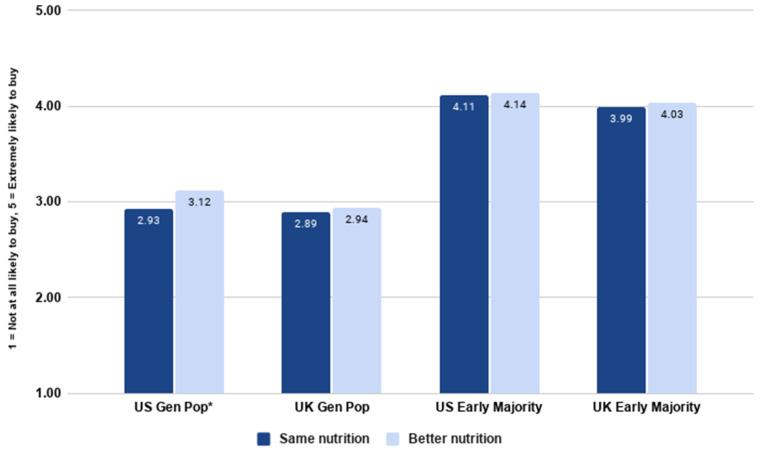
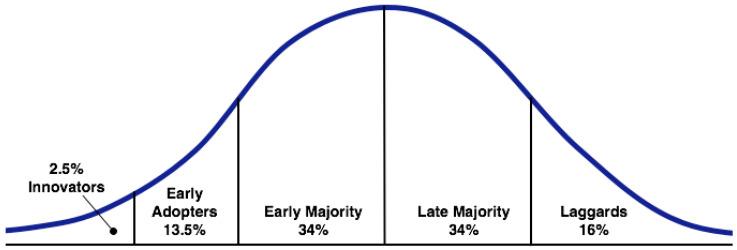
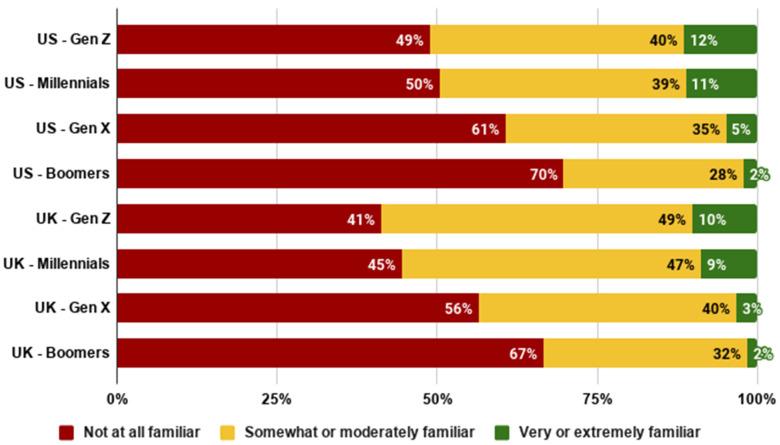
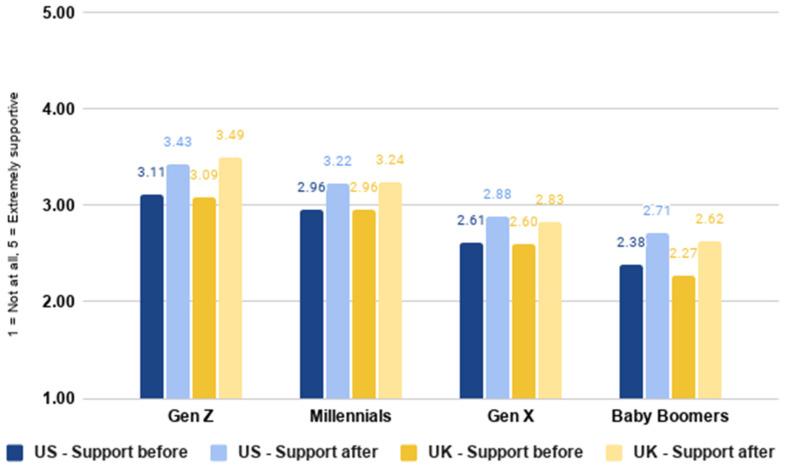
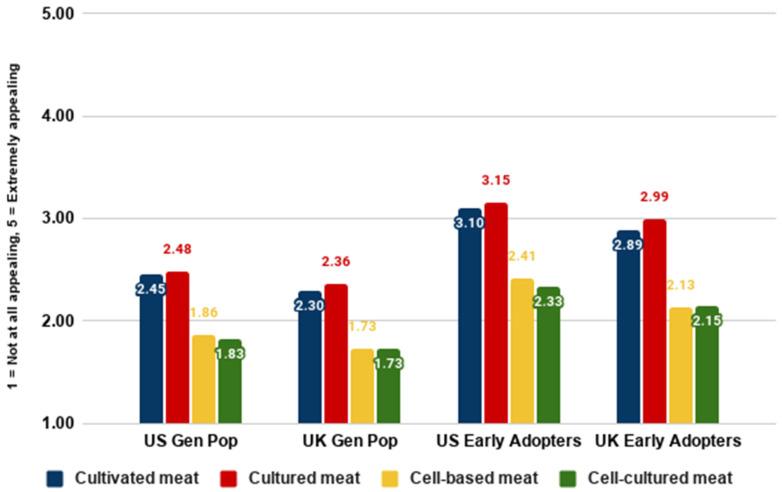
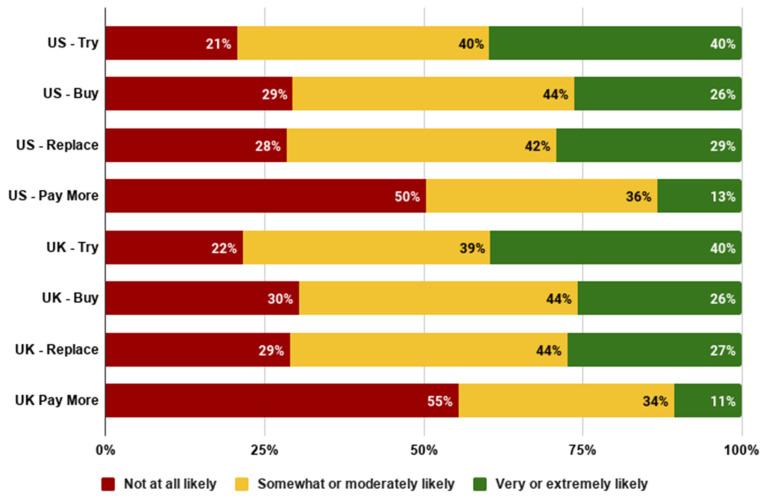
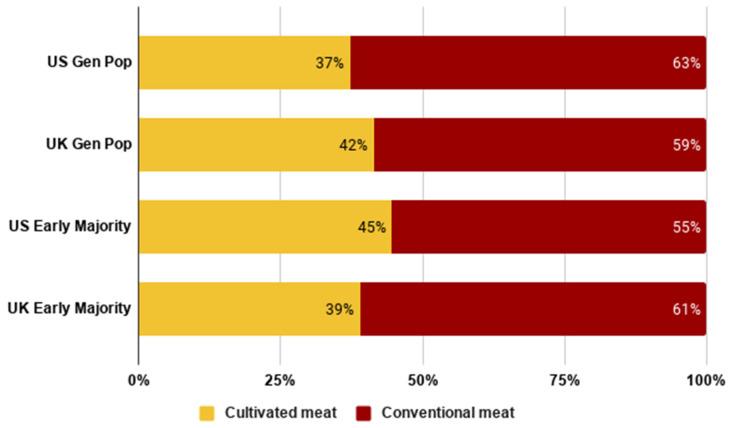
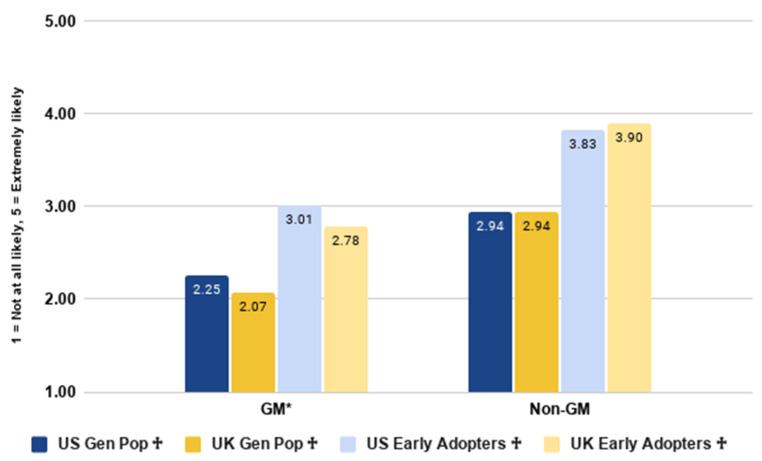
Despite growing evidence of the environmental and public health threats posed by today's intensive animal production, consumers in the west remain largely attached to meat. Cultivated meat offers a way to grow meat directly from cells, circumventing these issues as well as the use of animals altogether. The aim of this study was to assess the overall consumer markets and a range of preferences around cultivated meat in the US and the UK relating to nomenclature, genetic modification, health enhancements, and other features. To this end, we recruited large representative samples to participate in an online survey about cultivated meat, and subsequently analyzed segments (a) in the early majority population (guided by the Diffusion of Innovations Model), (b) by generation, and (c) in the general population. Our findings showed a high level of openness (80%) in both the US and UK populations, with 40% somewhat or moderately likely to try and 40% highly likely to try. Younger generations had the greatest openness: 88% of Gen Z, 85% of Millennials, 77% of Gen X, and 72% of Baby Boomers were at least somewhat open to trying cultivated meat. All segments envisioned cultivated meat to be nearly half of their total meat intake. Findings show that consumers prefer the terms 'cultured' and 'cultivated' over 'cell-based' and 'cell-cultured' for use in a social context and on packages, even though they perceive these terms as less descriptive. The most important on-package label was one indicating government assurances, and participants preferred non-GM products over GM products. We also found that US consumers prefer nutritionally superior meat over nutritionally equivalent meat. We discuss implications for product development, messaging, and understanding the likely adoption path of this food innovation.
尽管越来越多的证据表明当今集约化动物生产对环境和公众健康构成威胁,但西方消费者仍然对肉类情有独钟。实验室培育肉提供了一种直接从细胞中培育肉类的方法,既能规避这些问题,还能完全不使用动物。本研究的目的是评估美国和英国围绕实验室培育肉的整体消费市场以及一系列偏好,这些偏好涉及命名、基因改造、健康增强及其他特征。为此,我们招募了具有广泛代表性的样本参与一项关于实验室培育肉的在线调查,随后按以下方式进行了细分分析:(a) 在早期多数人群中(以创新扩散模型为指导);(b) 按代际划分;(c) 在普通人群中。我们的研究结果显示,美国和英国人群的接受度都很高(80%),其中40%的人有点或比较有可能尝试,40%的人非常有可能尝试。年轻一代的接受度最高:88%的Z世代、85%的千禧一代、77%的X世代和72%的婴儿潮一代至少有点愿意尝试实验室培育肉。所有细分群体都预计实验室培育肉将占其肉类总摄入量的近一半。研究结果表明,尽管消费者认为“基于细胞的”和“细胞培育的”这些术语描述性较差,但在社交场合和包装上,他们更喜欢“培养的”和“培育的”这两个术语。包装上最重要的标签是表明政府保证的标签,而且参与者更喜欢非转基因产品而非转基因产品。我们还发现,美国消费者更喜欢营养更优的肉类而非营养相当的肉类。我们讨论了这些结果对产品开发、宣传以及理解这种食品创新可能的采用路径的启示。






 Zotero 插件