
敲除人源 CMP-唾液酸转运蛋白 SLC35A1 可提高腺相关病毒 9 的转导效率:对基因治疗效力检测的启示。
Knockout of the CMP-Sialic Acid Transporter SLC35A1 in Human Cell Lines Increases Transduction Efficiency of Adeno-Associated Virus 9: Implications for Gene Therapy Potency Assays.
机构信息
Institute of Biochemistry, Medical Faculty, University of Giessen, Friedrichstrasse 24, D-35392 Giessen, Germany.
Department of Pediatrics, UTSW Medical Center, Dallas, TX 75390, USA.
出版信息
Cells. 2021 May 19;10(5):1259. doi: 10.3390/cells10051259.
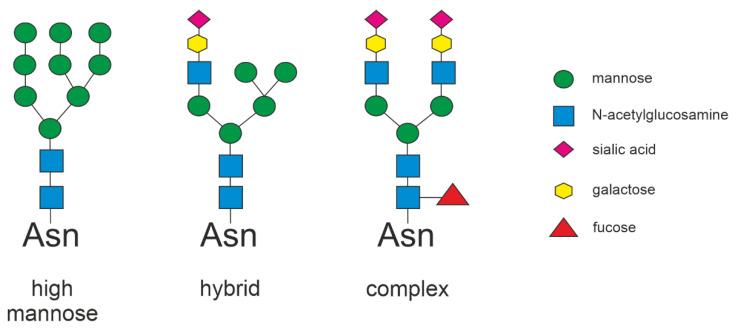
Recombinant adeno-associated viruses (AAV) have emerged as an important tool for gene therapy for human diseases. A prerequisite for clinical approval is an in vitro potency assay that can measure the transduction efficiency of each virus lot produced. The AAV serotypes are typical for gene therapy bind to different cell surface structures. The binding of AAV9 on the surface is mediated by terminal galactose residues present in the asparagine-linked carbohydrates in glycoproteins. However, such terminal galactose residues are rare in cultured cells. They are masked by sialic acid residues, which is an obstacle for the infection of many cell lines with AAV9 and the respective potency assays. The sialic acid residues can be removed by enzymatic digestion or chemical treatment. Still, such treatments are not practical for AAV9 potency assays since they may be difficult to standardize. In this study, we generated human cell lines (HEK293T and HeLa) that become permissive for AAV9 transduction after a knockout of the CMP-sialic acid transporter SLC35A1. Using the human aspartylglucosaminidase () gene, we show that these cell lines can be used as a model system for establishing potency assays for AAV9-based gene therapy approaches for human diseases.
重组腺相关病毒 (AAV) 已成为治疗人类疾病的基因治疗的重要工具。临床批准的一个前提是能够测量每个生产批次病毒的转导效率的体外效力测定。AAV 血清型通常与不同的细胞表面结构结合,用于基因治疗。AAV9 在表面的结合由存在于糖蛋白中天冬酰胺连接的碳水化合物中的末端半乳糖残基介导。然而,在培养细胞中,这种末端半乳糖残基很少。它们被唾液酸残基掩盖,这是许多细胞系感染 AAV9 及其各自效力测定的障碍。唾液酸残基可以通过酶消化或化学处理去除。尽管如此,由于难以标准化,这些处理不适用于 AAV9 效力测定。在这项研究中,我们生成了人类细胞系(HEK293T 和 HeLa),在敲除 CMP-唾液酸转运蛋白 SLC35A1 后,这些细胞系对 AAV9 转导变得允许。使用人天冬氨酸葡糖胺酶 () 基因,我们表明这些细胞系可用作建立用于人类疾病的基于 AAV9 的基因治疗方法效力测定的模型系统。



 Zotero 插件