
肠道微生物群在阿尔茨海默病免疫变化中的作用。
Contribution of Gut Microbiota to Immunological Changes in Alzheimer's Disease.
机构信息
Department of Molecular Cell Biology and Immunology, Amsterdam University Medical Centers, Amsterdam Neuroscience, Amsterdam, Netherlands.
Department of Internal Medicine, Section Geriatrics, Amsterdam UMC, Vrije Universiteit Amsterdam, Amsterdam Cardiovascular Sciences, Amsterdam, Netherlands.
出版信息
Front Immunol. 2021 May 31;12:683068. doi: 10.3389/fimmu.2021.683068. eCollection 2021.
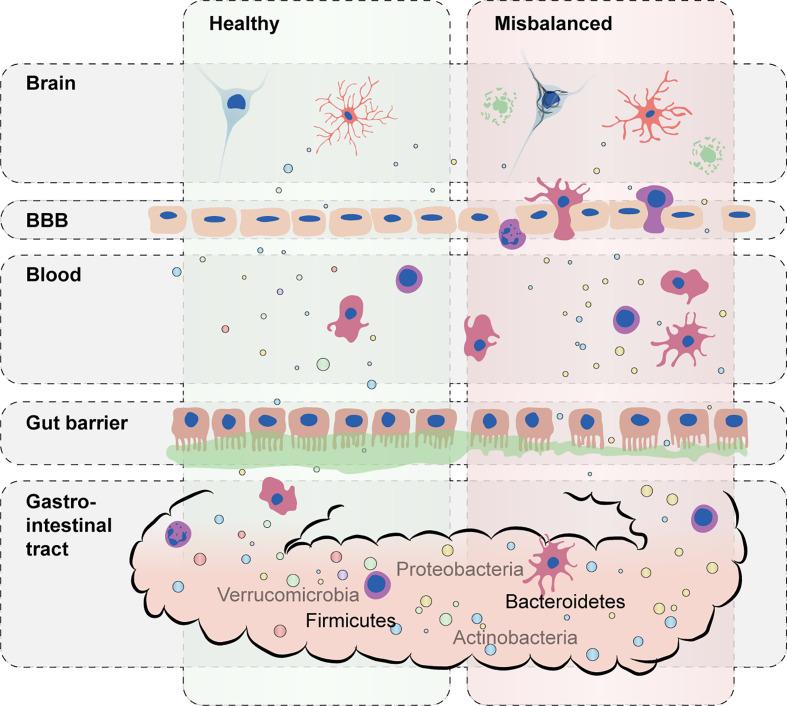
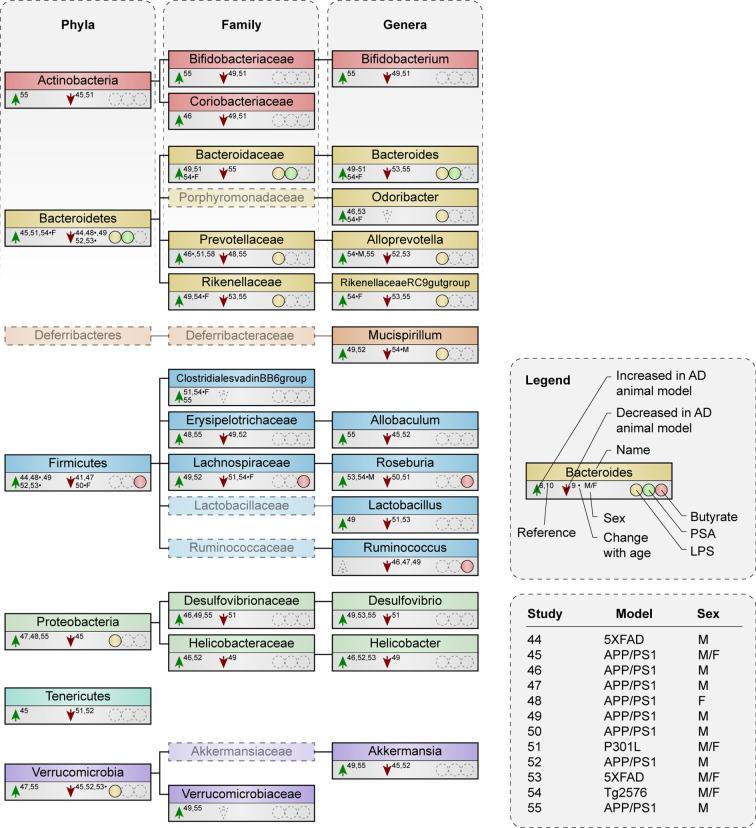
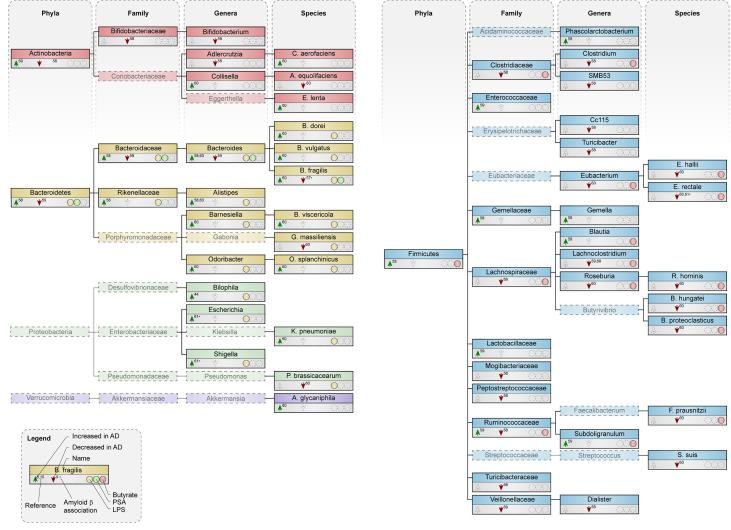
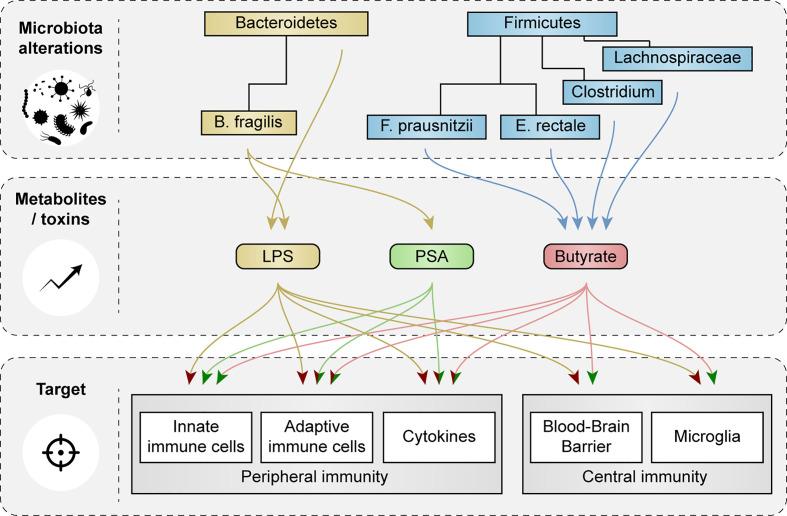
Emerging evidence suggests that both central and peripheral immunological processes play an important role in the pathogenesis of Alzheimer's disease (AD), but regulatory mechanisms remain unknown. The gut microbiota and its key metabolites are known to affect neuroinflammation by modulating the activity of peripheral and brain-resident immune cells, yet an overview on how the gut microbiota contribute to immunological alterations in AD is lacking. In this review, we discuss current literature on microbiota composition in AD patients and relevant animal models. Next, we highlight how microbiota and their metabolites may contribute to peripheral and central immunological changes in AD. Finally, we offer a future perspective on the translation of these findings into clinical practice by targeting gut microbiota to modulate inflammation in AD. Since we find that gut microbiota alterations in AD can induce peripheral and central immunological changes the release of microbial metabolites, we propose that modulating their composition may alter ongoing inflammation and could therefore be a promising future strategy to fight progression of AD.
新出现的证据表明,中枢和外周免疫过程在阿尔茨海默病(AD)的发病机制中都起着重要作用,但调节机制尚不清楚。已知肠道微生物群及其关键代谢物通过调节外周和脑驻留免疫细胞的活性来影响神经炎症,但缺乏关于肠道微生物群如何导致 AD 中免疫改变的概述。在这篇综述中,我们讨论了 AD 患者和相关动物模型中微生物组组成的现有文献。接下来,我们强调了微生物组及其代谢物如何有助于 AD 中的外周和中枢免疫变化。最后,我们通过针对肠道微生物群来调节 AD 中的炎症,为将这些发现转化为临床实践提供了未来的视角。由于我们发现 AD 中的肠道微生物群改变可以诱导外周和中枢免疫变化,释放微生物代谢物,因此我们提出调节其组成可能会改变正在进行的炎症,因此可能是对抗 AD 进展的有前途的未来策略。

 Zotero 插件