
对糖尿病前期人群进行表型分析——更深入地了解中间葡萄糖状态与心血管疾病的关系。
Phenotyping the Prediabetic Population-A Closer Look at Intermediate Glucose Status and Cardiovascular Disease.
机构信息
Department of Cardiology, Elias Emergency University Hospital, Carol Davila University of Medicine and Pharmacy, 011461 Bucharest, Romania.
出版信息
Int J Mol Sci. 2021 Jun 25;22(13):6864. doi: 10.3390/ijms22136864.
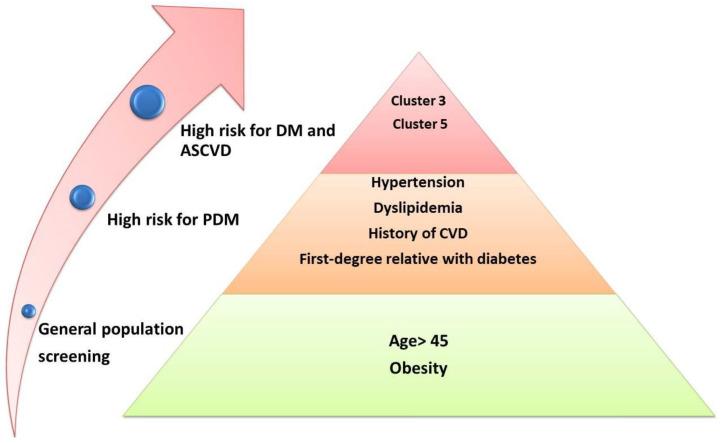
Even though the new thresholds for defining prediabetes have been around for more than ten years, there is still controversy surrounding the precise characterization of this intermediate glucose metabolism status. The risk of developing diabetes and macro and microvascular disease linked to prediabetes is well known. Still, the prediabetic population is far from being homogenous, and phenotyping it into less heterogeneous groups might prove useful for long-term risk assessment, follow-up, and primary prevention. Unfortunately, the current definition of prediabetes is quite rigid and disregards the underlying pathophysiologic mechanisms and their potential metabolic progression towards overt disease. In addition, prediabetes is commonly associated with a cluster of risk factors that worsen the prognosis. These risk factors all revolve around a common denominator: inflammation. This review focuses on identifying the population that needs to be screened for prediabetes and the already declared prediabetic patients who are at a higher risk of cardiovascular disease and require closer monitoring.
尽管新的糖尿病前期定义阈值已经存在了十多年,但对于这种中间葡萄糖代谢状态的准确特征描述仍然存在争议。糖尿病前期与糖尿病和大血管及微血管疾病相关的风险是众所周知的。尽管如此,糖尿病前期人群远非同质,将其分为不那么同质的组可能有助于长期风险评估、随访和初级预防。不幸的是,目前的糖尿病前期定义相当严格,忽略了潜在的病理生理机制及其向显性疾病的潜在代谢进展。此外,糖尿病前期通常与一组会恶化预后的危险因素相关。这些危险因素都围绕着一个共同的因素:炎症。本综述重点介绍需要筛查糖尿病前期的人群,以及已经被诊断为糖尿病前期、心血管疾病风险更高且需要更密切监测的患者。
 Zotero 插件