
核沉默调节蛋白SIRT6在骨骼肌中的特异性过表达通过调控多个靶点来阻止癌症相关性恶病质。
Skeletal muscle-specific over-expression of the nuclear sirtuin SIRT6 blocks cancer-associated cachexia by regulating multiple targets.
作者信息
Samant Sadhana A, Pillai Vinodkumar B, Gupta Mahesh P
机构信息
Department of Surgery University of Chicago 5841 South Maryland Avenue Chicago IL 60637 USA.
Committee on Molecular Medicine and Pathology, Pritzker School of Medicine University of Chicago Chicago IL USA.
出版信息
JCSM Rapid Commun. 2021 Jan-Jun;4(1):40-56. doi: 10.1002/rco2.27. Epub 2020 Dec 23.
BACKGROUND
During cancer cachexia, cytokines released from tumour cells can alter body's metabolism, which can lead to onset of this disease process. Biological basis of cachexia is multifactorial; hence, it is important to identify and modulate multiple targets to curtail the process of cachexia. Previously, we reported that the nuclear sirtuin, SIRT6, blocks expression of myostatin, a negative regulator of muscle growth, through modulation of the NF-κB signalling. This study was undertaken to test whether muscle-specific over-expression of SIRT6 can block the cancer-associated muscle wasting and to identify additional relevant targets of SIRT6, which can explain its ability to maintain muscle health.
METHODS
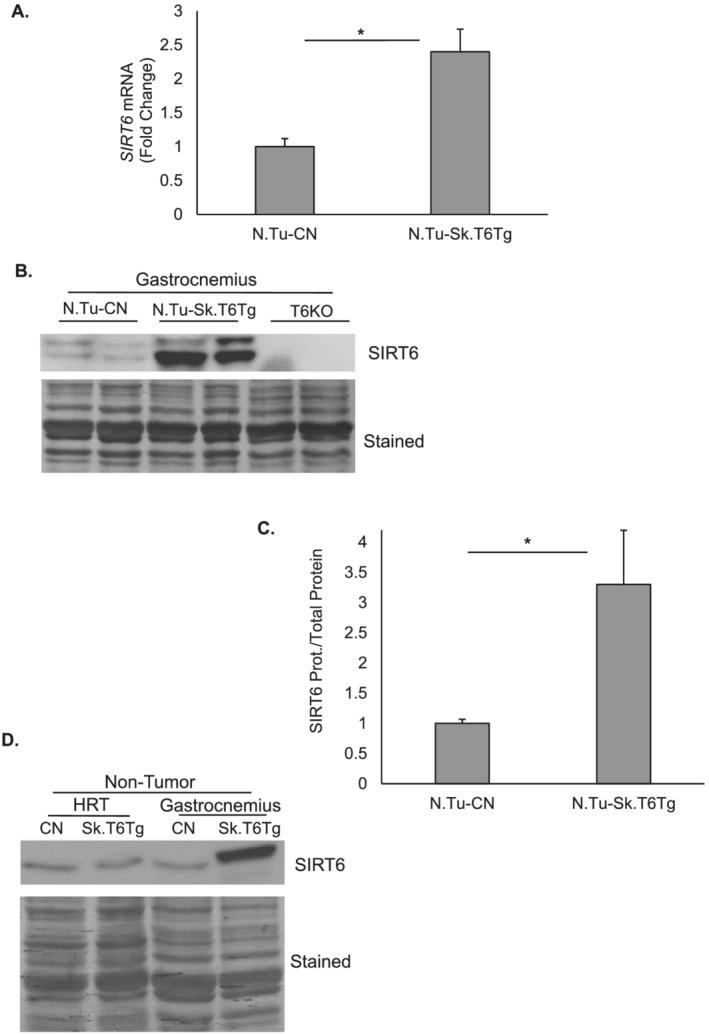
We generated a skeletal muscle-specific SIRT6 over-expressing transgenic mouse line (Sk.T6Tg) expressing SIRT6 at a moderate (two-fold to four-fold) level, compared with its control littermates. To generate a cancer-cachexia model, B16F10 mouse melanoma cells were injected subcutaneously in the flanks of mice. Gastrocnemius muscle tissues from non-tumour and tumour controls and Sk.T6Tg mice ( = 5-20) were analysed by histology, immunoblotting, and RT-qPCR. Plasma samples of mice were evaluated using cytokine arrays and ELISA in both non-tumour and tumour conditions.
RESULTS
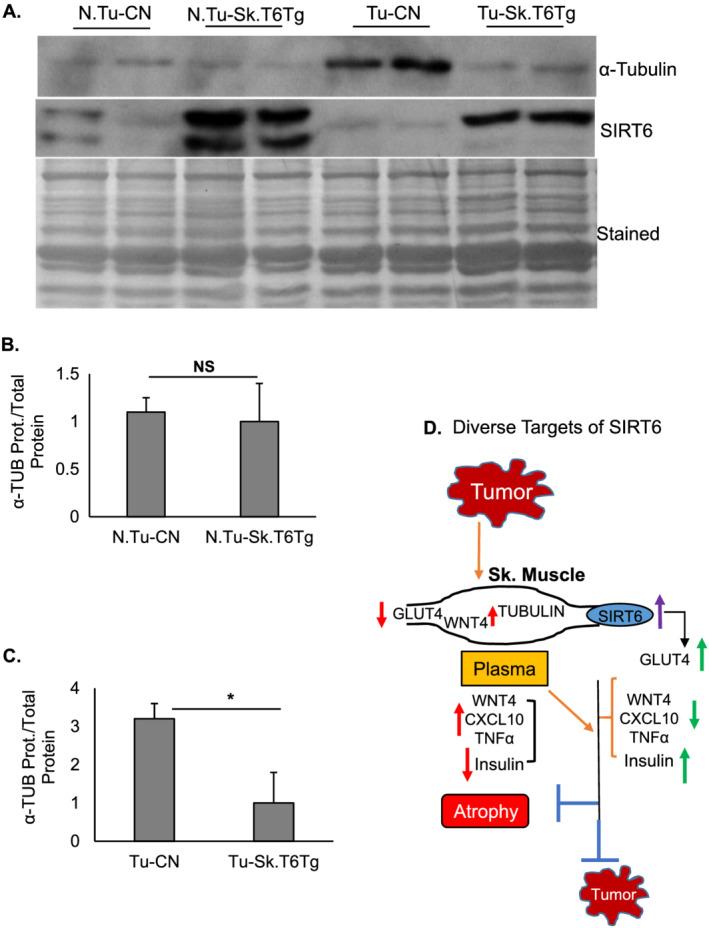
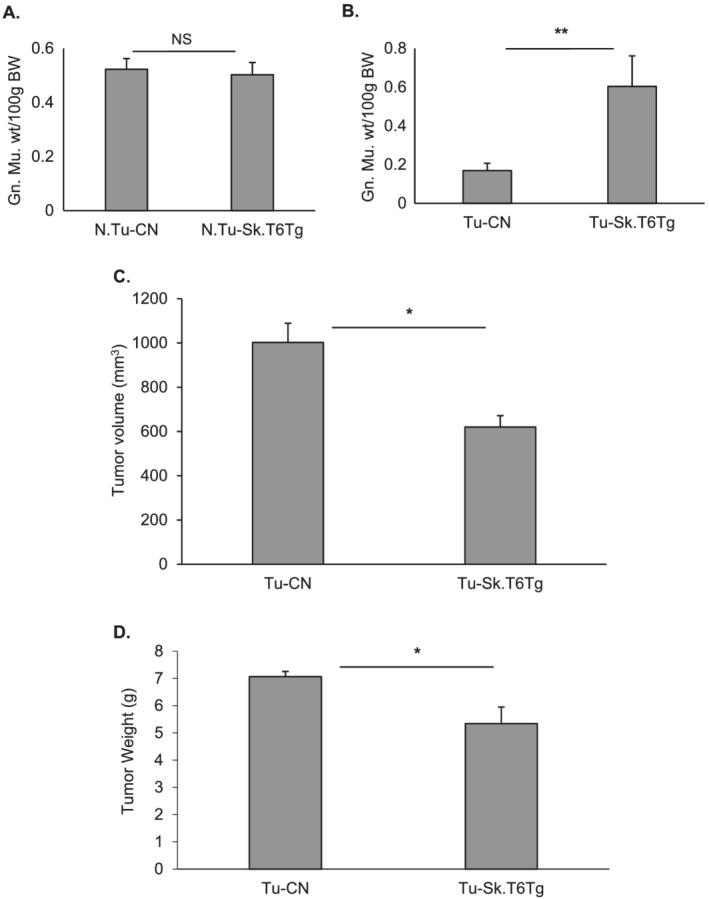
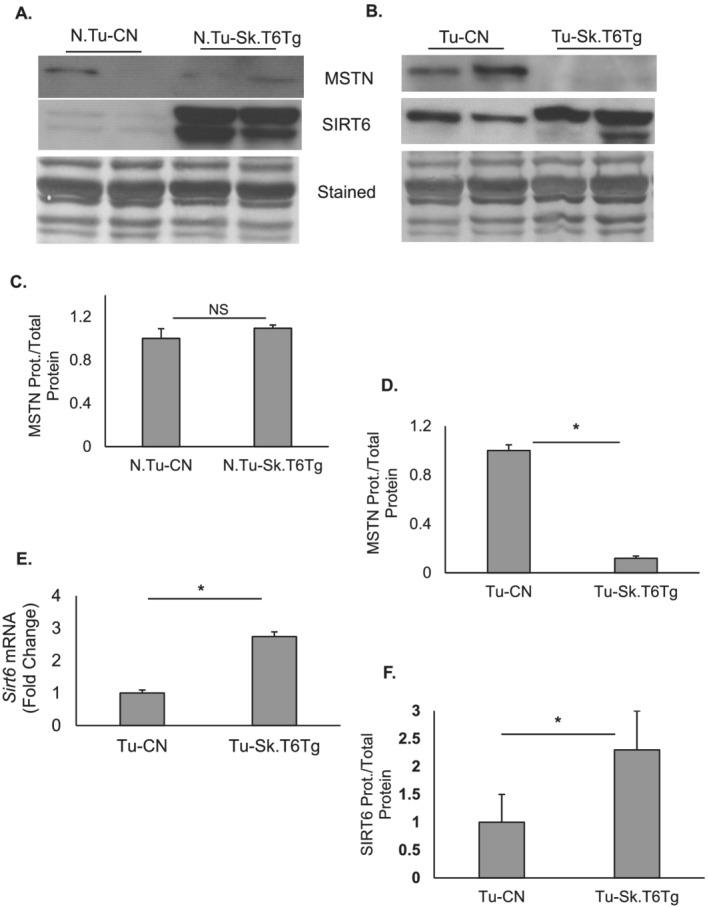
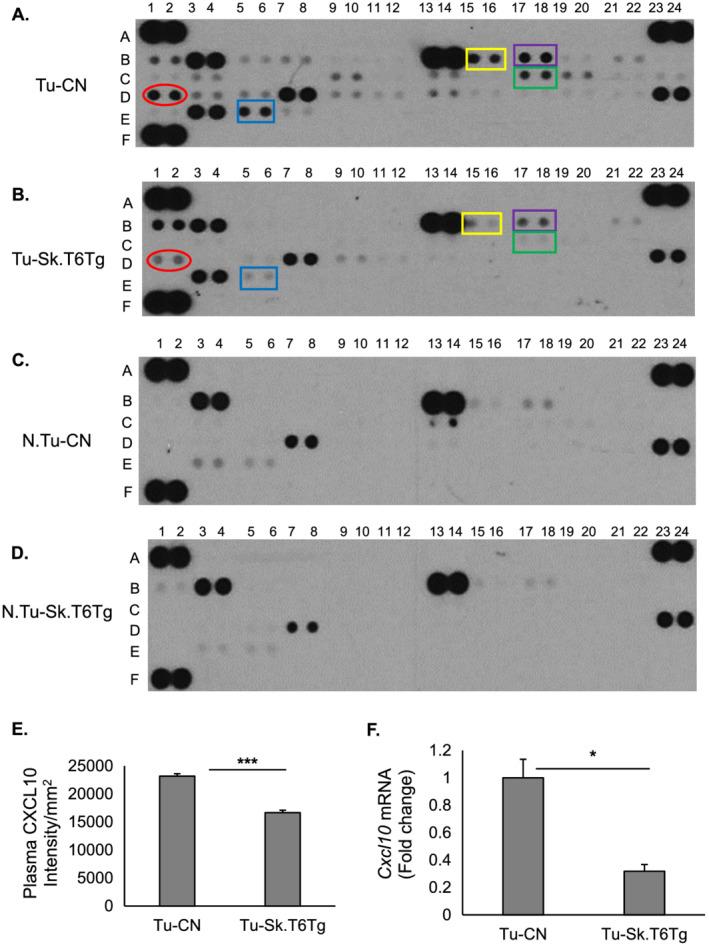
Our results demonstrate dual benefits of muscle-specific moderate over-expression of SIRT6 in a mouse model of cancer-cachexia. In tumour-bearing mice, SIRT6 over-expression preserved muscle weight ( < 0.001) and fibre size ( < 0.005) as well as suppressed tumour growth ( < 0.05). SIRT6 over-expression significantly reduced myostatin expression and plasma free fatty acids levels but maintained plasma insulin levels in tumour-bearing mice. These positive effects of SIRT6 were associated with downregulation of the circulatory chemokine, CXCL10, and the myokine, WNT4. SIRT6 also upregulated expression of GLUT4, the major glucose transporter in the skeletal muscle. These results for the first time demonstrate that SIRT6 regulates multiple targets to limit tumour growth and cancer-associated muscle atrophy.
CONCLUSION
Given the multifactorial nature of cachexia, SIRT6, which concurrently controls multiple pathways, can be a valuable therapeutic target to overcome this debilitating syndrome.
背景
在癌症恶病质期间,肿瘤细胞释放的细胞因子可改变机体代谢,进而导致该疾病进程的发生。恶病质的生物学基础是多因素的;因此,识别和调节多个靶点以抑制恶病质进程非常重要。此前,我们报道过核沉默调节蛋白SIRT6通过调节NF-κB信号通路来阻断肌肉生长负调节因子肌肉生长抑制素的表达。本研究旨在测试肌肉特异性过表达SIRT6是否能阻止癌症相关的肌肉萎缩,并确定SIRT6的其他相关靶点,以解释其维持肌肉健康的能力。
方法
我们构建了一个骨骼肌特异性过表达SIRT6的转基因小鼠品系(Sk.T6Tg),与同窝对照小鼠相比,其SIRT6表达水平处于中等(两倍至四倍)水平。为建立癌症恶病质模型,将B16F10小鼠黑色素瘤细胞皮下注射到小鼠两侧胁腹。对来自非肿瘤和肿瘤对照以及Sk.T6Tg小鼠(n = 5 - 20)的腓肠肌组织进行组织学、免疫印迹和RT-qPCR分析。在非肿瘤和肿瘤状态下,使用细胞因子阵列和ELISA对小鼠血浆样本进行评估。
结果
我们的结果证明了在癌症恶病质小鼠模型中肌肉特异性适度过表达SIRT6的双重益处。在荷瘤小鼠中,SIRT6过表达可保持肌肉重量(P < 0.001)和纤维大小(P < 0.005),并抑制肿瘤生长(P < 0.05)。SIRT6过表达显著降低了荷瘤小鼠肌肉生长抑制素的表达和血浆游离脂肪酸水平,但维持了血浆胰岛素水平。SIRT6的这些积极作用与循环趋化因子CXCL10和肌动蛋白WNT4的下调有关。SIRT6还上调了骨骼肌中主要葡萄糖转运蛋白GLUT4的表达。这些结果首次证明SIRT6可调节多个靶点以限制肿瘤生长和癌症相关的肌肉萎缩。
结论
鉴于恶病质的多因素性质,同时控制多个途径的SIRT6可能是克服这种使人衰弱综合征的有价值的治疗靶点。



 Zotero 插件