
婴幼儿磁共振成像:扫描程序综述
Infant and Child MRI: A Review of Scanning Procedures.
作者信息
Copeland Anni, Silver Eero, Korja Riikka, Lehtola Satu J, Merisaari Harri, Saukko Ekaterina, Sinisalo Susanne, Saunavaara Jani, Lähdesmäki Tuire, Parkkola Riitta, Nolvi Saara, Karlsson Linnea, Karlsson Hasse, Tuulari Jetro J
机构信息
FinnBrain Birth Cohort Study, Turku Brain and Mind Center, Department of Clinical Medicine, University of Turku, Turku, Finland.
Department of Psychiatry, Turku University Hospital, University of Turku, Turku, Finland.
出版信息
Front Neurosci. 2021 Jul 12;15:666020. doi: 10.3389/fnins.2021.666020. eCollection 2021.
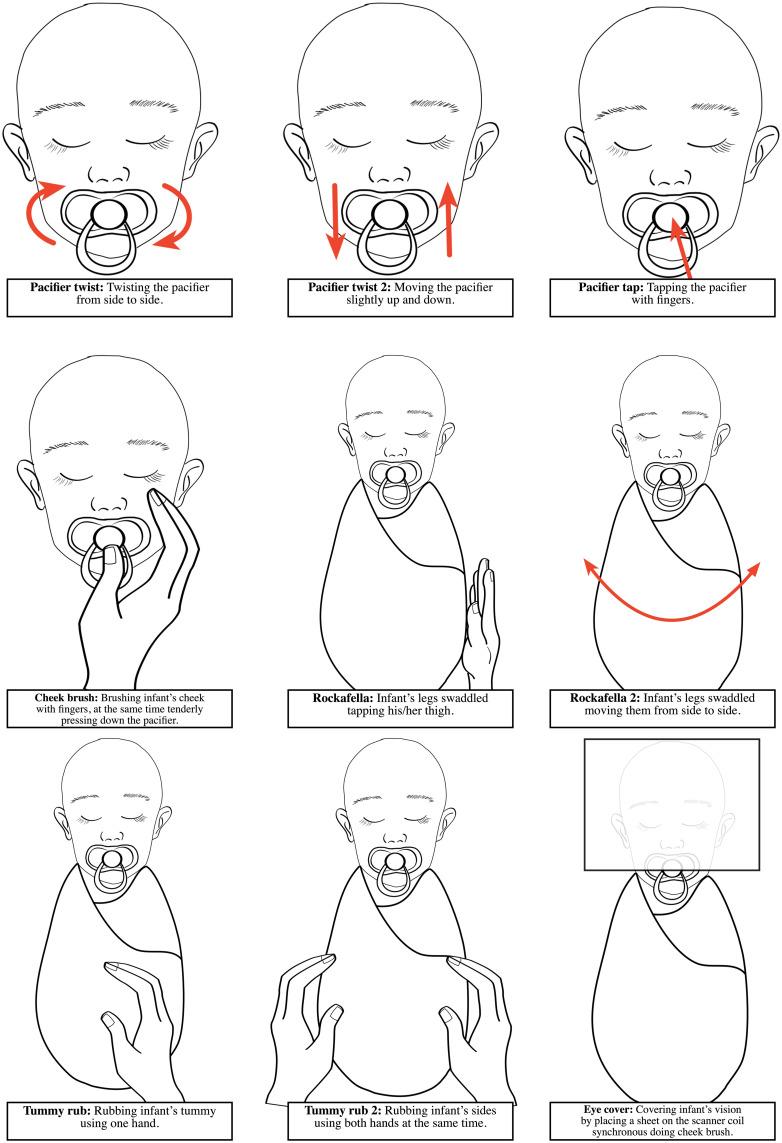
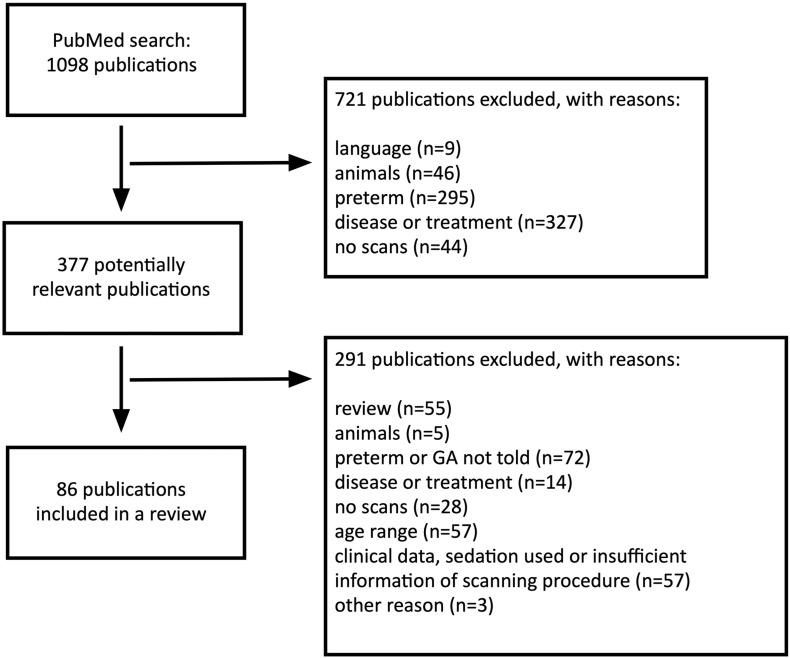
Magnetic resonance imaging (MRI) is a safe method to examine human brain. However, a typical MR scan is very sensitive to motion, and it requires the subject to lie still during the acquisition, which is a major challenge for pediatric scans. Consequently, in a clinical setting, sedation or general anesthesia is often used. In the research setting including healthy subjects anesthetics are not recommended for ethical reasons and potential longer-term harm. Here we review the methods used to prepare a child for an MRI scan, but also on the techniques and tools used during the scanning to enable a successful scan. Additionally, we critically evaluate how studies have reported the scanning procedure and success of scanning. We searched articles based on special subject headings from PubMed and identified 86 studies using brain MRI in healthy subjects between 0 and 6 years of age. Scan preparations expectedly depended on subject's age; infants and young children were scanned asleep after feeding and swaddling and older children were scanned awake. Comparing the efficiency of different procedures was difficult because of the heterogeneous reporting of the used methods and the success rates. Based on this review, we recommend more detailed reporting of scanning procedure to help find out which are the factors affecting the success of scanning. In the long term, this could help the research field to get high quality data, but also the clinical field to reduce the use of anesthetics. Finally, we introduce the protocol used in scanning 2 to 5-week-old infants in the FinnBrain Birth Cohort Study, and tips for calming neonates during the scans.
磁共振成像(MRI)是一种用于检查人脑的安全方法。然而,典型的磁共振扫描对运动非常敏感,这就要求受试者在扫描过程中保持静止,而这对于儿科扫描来说是一项重大挑战。因此,在临床环境中,常常会使用镇静剂或全身麻醉。在包括健康受试者的研究环境中,出于伦理原因以及潜在的长期危害考虑,不建议使用麻醉剂。在此,我们不仅回顾了为儿童进行MRI扫描所采用的准备方法,还回顾了扫描过程中使用的技术和工具,以确保扫描成功。此外,我们还对各项研究报告扫描程序和扫描成功率的方式进行了批判性评估。我们根据PubMed的特定主题词搜索了相关文章,并确定了86项针对0至6岁健康受试者使用脑部MRI的研究。扫描准备工作通常取决于受试者的年龄;婴儿和幼儿在喂奶、包裹后入睡时进行扫描,年龄较大的儿童则在清醒状态下进行扫描。由于所使用方法和成功率的报告存在异质性,比较不同程序的效率较为困难。基于此项综述,我们建议更详细地报告扫描程序,以帮助找出影响扫描成功的因素。从长远来看,这有助于研究领域获取高质量数据,也有助于临床领域减少麻醉剂的使用。最后,我们介绍了芬兰脑发育出生队列研究中对2至5周龄婴儿进行扫描所采用的方案,以及在扫描过程中安抚新生儿的技巧。
 Zotero 插件