
通心络胶囊联合阿托伐他汀治疗冠心病:一项系统评价与Meta分析
Tongxinluo Capsule Combined with Atorvastatin for Coronary Heart Disease: A Systematic Review and Meta-Analysis.
作者信息
Liu Qiao, Dong Taiwei, Xi Miaomiao, Gou Licheng, Bai Yang, Hou Lian, Li Min, Ou Li, Miao Feng, Wei Peifeng
机构信息
Shaanxi University of Chinese Medicine, Xianyang 712046, China.
The Second Affiliated Hospital of Shaanxi University of Chinese Medicine, Xianyang 712000, China.
出版信息
Evid Based Complement Alternat Med. 2021 Jul 17;2021:9413704. doi: 10.1155/2021/9413704. eCollection 2021.
INTRODUCTION
Coronary heart disease (CHD) is a common clinical cardiovascular disease, and its morbidity and mortality rates are increasing, which brings a serious burden to the family and society. Dyslipidemia is one of the most important risk factors for CHD. However, it is difficult to reduce blood lipids to an ideal state with the administration of a statin alone. Tongxinluo capsule (TXLC), as a Chinese patent medicine, has received extensive attention in the treatment of CHD in recent years. This systematic review and meta-analysis aim to provide evidence-based medicine for TXLC combined with atorvastatin in the treatment of CHD.
OBJECTIVE
To evaluate systematically the effectiveness and safety of TXLC combined with atorvastatin in the treatment of CHD.
METHODS
Seven English and Chinese electronic databases (PubMed, Cochrane Library, Embase, CNKI, VIP, CBM, and Wanfang) were searched from inception to January 2020, to search for randomized controlled trials (RCTs) on TXLC combined with atorvastatin in the treatment of CHD. Two researchers independently screened the literature according to the literature inclusion and exclusion criteria and performed quality assessment and data extraction on the included RCTs. We performed a systematic review following Cochrane Collaboration Handbook and Preferred Reporting Items for Systematic Reviews and Meta-Analyses (PRISMA) guidelines and using a measurement tool to assess the methodological quality of systematic reviews (AMSTAR 2). The quality of outcomes was evaluated by the Grading of Recommendations Assessment, Development and Evaluation (GRADE). And meta-analysis was performed by Review Manager 5.2.
RESULTS
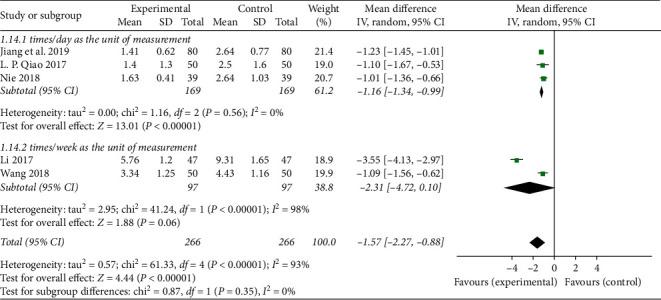
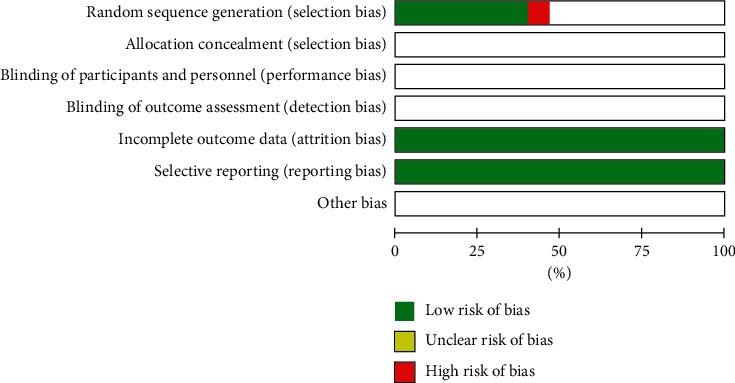
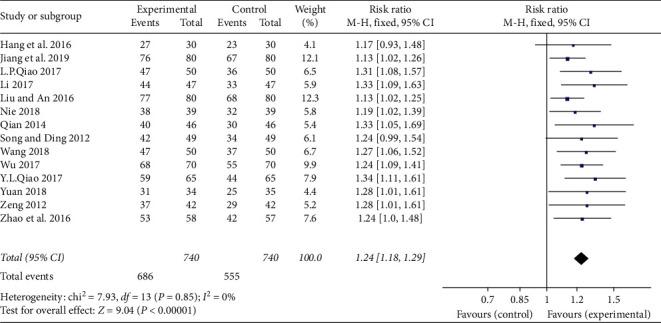
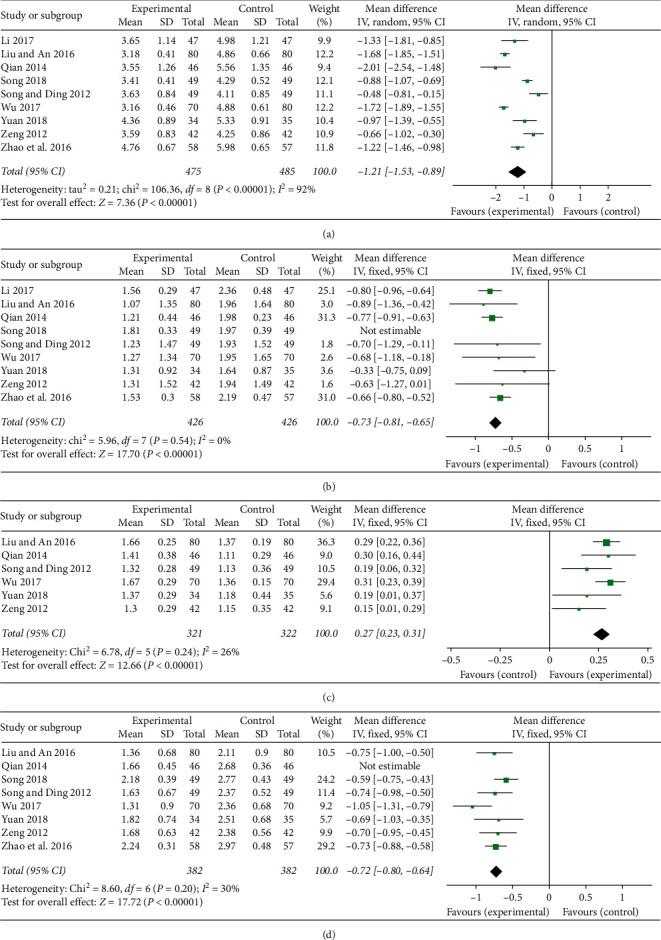
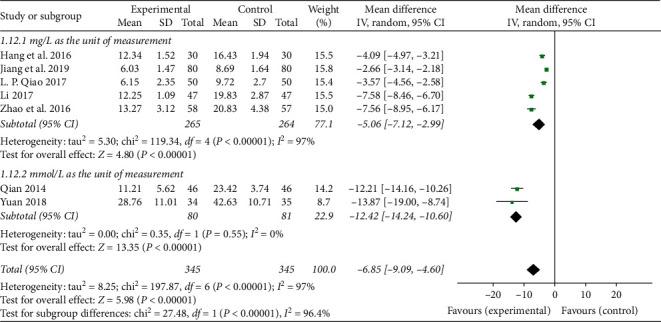
A total of 15 RCTs with 1,578 participants were included in this review. Compared to atorvastatin treatment, TXLC combined with atorvastatin treatment showed potent efficacy when it came to the effectiveness of clinical treatment (RR = 1.24; 95% CI, 1.18, 1.29; < 0.00001), total cholesterol (TC; MD = -1.21; 95% CI, -1.53, -0.89; < 0.00001), triacylglycerol (TG; MD = -0.73; 95% CI, -0.81, -0.65; < 0.00001), high-density lipoprotein cholesterol (HDL-C; MD = 0.27; 95% CI, 0.23, 0.31; < 0.00001), low-density lipoprotein cholesterol (LDL-C; MD = -0.72; 95% CI, -0.80, -0.64; < 0.00001), C-reactive protein (CRP; SMD = -2.06; 95% CI, -2.56, -1.57; < 0.00001), frequency of angina pectoris (SMD = -1.41; 95% CI, -1.97, -0.85; < 0.00001), duration of angina pectoris (MD = -2.30; 95% CI, -3.39, -1.21; < 0.0001), and adverse reactions (RR = 0.84; 95% CI, 0.51, 1.39; =0.50). No serious adverse events or reactions were mentioned in these RCTs. According to the PRISMA guidelines, although all studies were not fully reported in accordance with the checklist item, the reported items exceeded 80% of all items. With the AMSTAR 2 standard, the methodological quality assessment found that 9 studies were rated low quality and 6 studies were rated critically low quality. Based on the results of the systematic review, the GRADE system recommended ranking method was used to evaluate the quality of evidence and the recommendation level. The results showed that the level of evidence was low, and the recommendation intensity was a weak recommendation.
CONCLUSIONS
TXLC combined with atorvastatin in the treatment of CHD can effectively improve the effectiveness of clinical treatment, significantly reduce the frequency and duration of angina pectoris, decrease blood lipids, and improve inflammatory factors. However, due to the low quality of the literature included in these studies and the variability of the evaluation methods of each study, there is still a need for a more high-quality, large sample, multicenter clinical randomized control for further demonstration.
引言
冠心病(CHD)是一种常见的临床心血管疾病,其发病率和死亡率呈上升趋势,给家庭和社会带来了沉重负担。血脂异常是冠心病最重要的危险因素之一。然而,仅使用他汀类药物很难将血脂降低到理想状态。通心络胶囊(TXLC)作为一种中成药,近年来在冠心病治疗中受到广泛关注。本系统评价和荟萃分析旨在为通心络胶囊联合阿托伐他汀治疗冠心病提供循证医学依据。
目的
系统评价通心络胶囊联合阿托伐他汀治疗冠心病的有效性和安全性。
方法
检索了7个中英文电子数据库(PubMed、Cochrane图书馆、Embase、中国知网、维普、中国生物医学文献数据库和万方),检索时间从建库至2020年1月,以查找通心络胶囊联合阿托伐他汀治疗冠心病的随机对照试验(RCT)。两名研究人员根据文献纳入和排除标准独立筛选文献,并对纳入的RCT进行质量评估和数据提取。我们按照Cochrane协作网手册和系统评价与荟萃分析的首选报告项目(PRISMA)指南进行系统评价,并使用一种测量工具来评估系统评价的方法学质量(AMSTAR 2)。结局质量通过推荐分级评估、制定与评价(GRADE)进行评估。并使用Review Manager 5.2进行荟萃分析。
结果
本评价共纳入15项RCT,1578名参与者。与阿托伐他汀治疗相比,通心络胶囊联合阿托伐他汀治疗在临床治疗有效性(RR = 1.24;95%CI,1.18,1.29;P < 0.00001)、总胆固醇(TC;MD = -1.21;95%CI,-1.53,-0.89;P < 0.00001)、三酰甘油(TG;MD = -0.73;95%CI,-0.81,-0.65;P < 0.00001)、高密度脂蛋白胆固醇(HDL-C;MD = 0.27;95%CI,0.23,0.31;P < 0.00001)、低密度脂蛋白胆固醇(LDL-C;MD = -0.72;95%CI,-0.80,-0.64;P < 0.00001)、C反应蛋白(CRP;SMD = -2.06;95%CI,-2.56,-1.57;P < 0.00001)、心绞痛发作频率(SMD = -1.41;95%CI,-1.97,-0.85;P < 0.00001)、心绞痛发作持续时间(MD = -2.30;95%CI,-3.39,-1.21;P < 0.0001)以及不良反应(RR = 0.84;95%CI,0.51,1.39;P = 0.50)方面显示出更强的疗效。这些RCT中未提及严重不良事件或反应。根据PRISMA指南,虽然所有研究未完全按照清单项目进行报告,但报告项目超过了所有项目的80%。按照AMSTAR 2标准,方法学质量评估发现9项研究质量评级为低,6项研究质量评级为极低。基于系统评价结果,采用GRADE系统推荐分级方法评估证据质量和推荐级别。结果显示证据级别为低,推荐强度为弱推荐。
结论
通心络胶囊联合阿托伐他汀治疗冠心病可有效提高临床治疗效果,显著降低心绞痛发作频率和持续时间,降低血脂,改善炎症因子。然而,由于这些研究纳入文献质量较低且各研究评估方法存在差异,仍需要更多高质量、大样本、多中心临床随机对照试验进一步论证。

 Zotero 插件