
系统神经工程学:理解大脑并与之交互
Systems Neuroengineering: Understanding and Interacting with the Brain.
作者信息
Edelman Bradley J, Johnson Nessa, Sohrabpour Abbas, Tong Shanbao, Thakor Nitish, He Bin
机构信息
Department of Biomedical Engineering, University of Minnesota, Minneapolis, MN 55455, USA.
School of Biomedical Engineering, Shanghai Jiao Tong University, Shanghai 200030, China.
出版信息
Engineering (Beijing). 2015 Sep;1(3):292-308. doi: 10.15302/j-eng-2015078. Epub 2016 Mar 16.
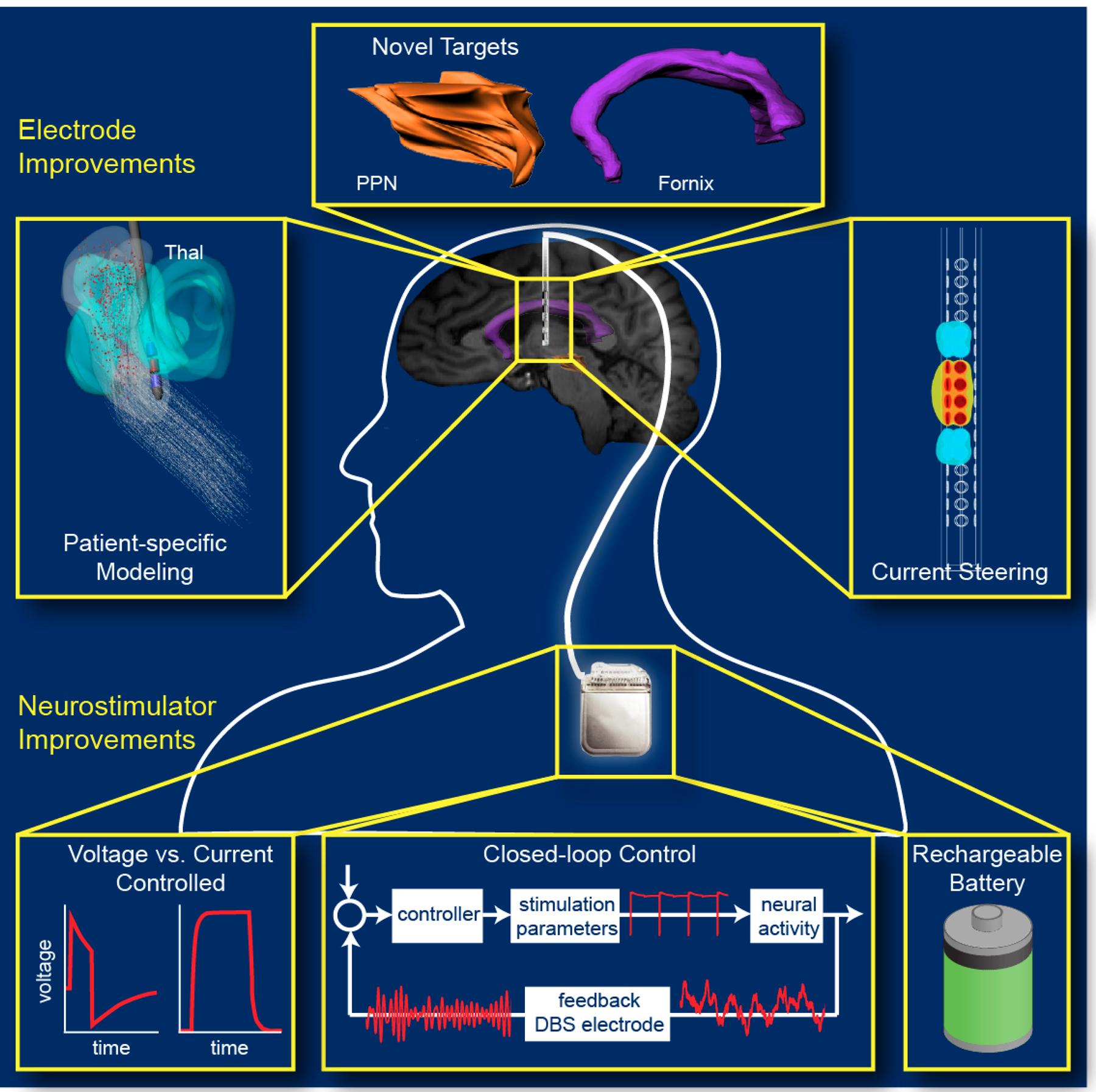
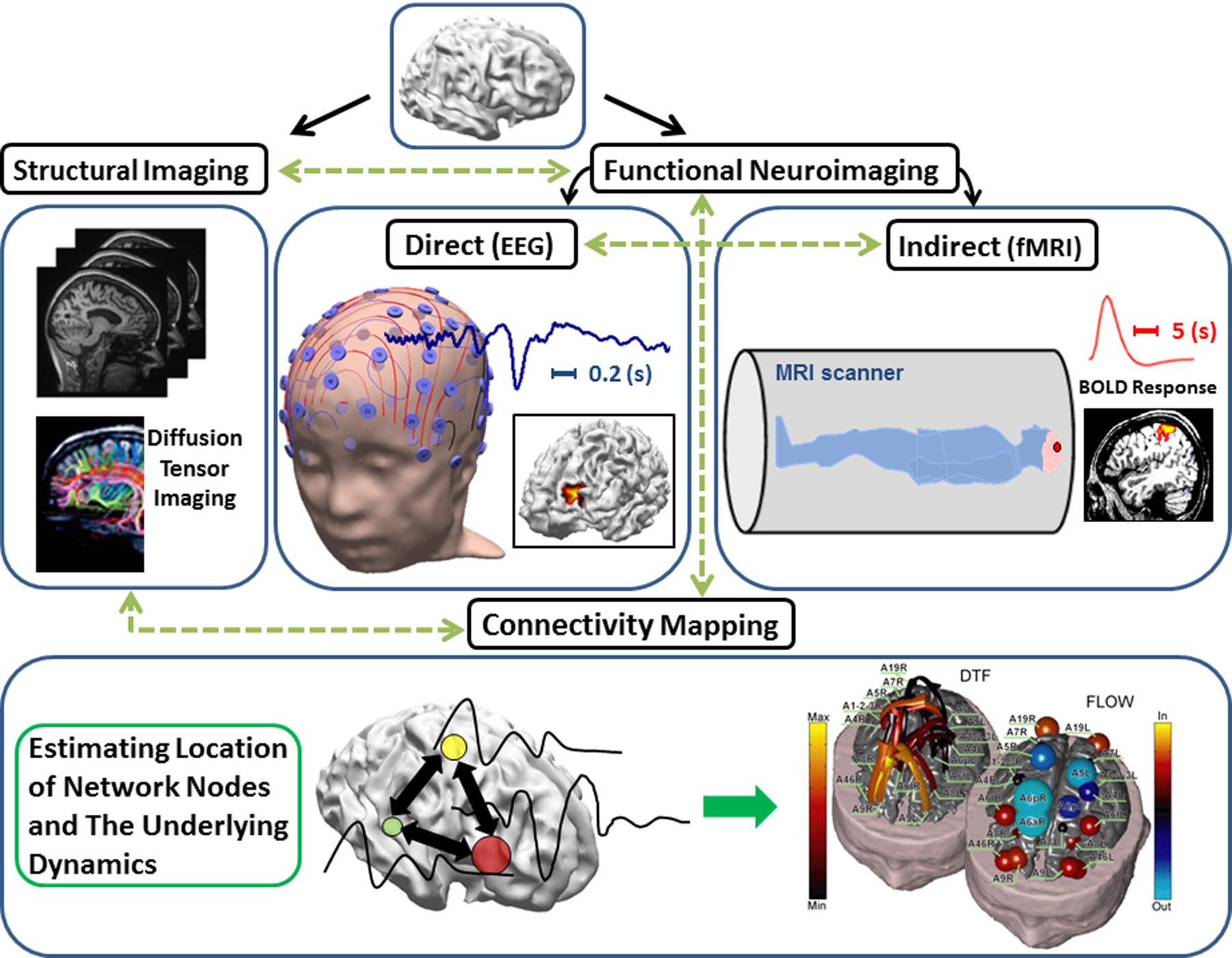
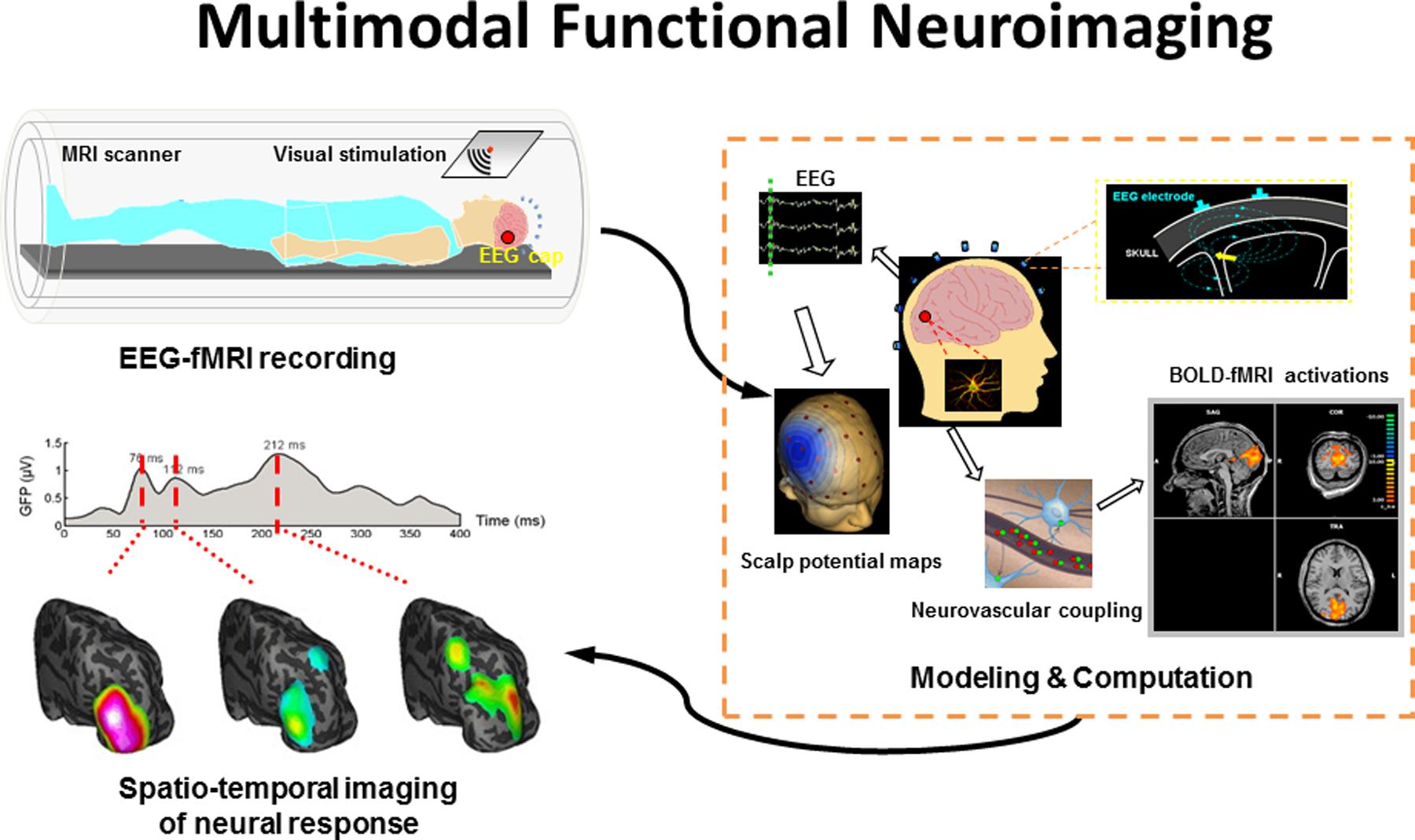
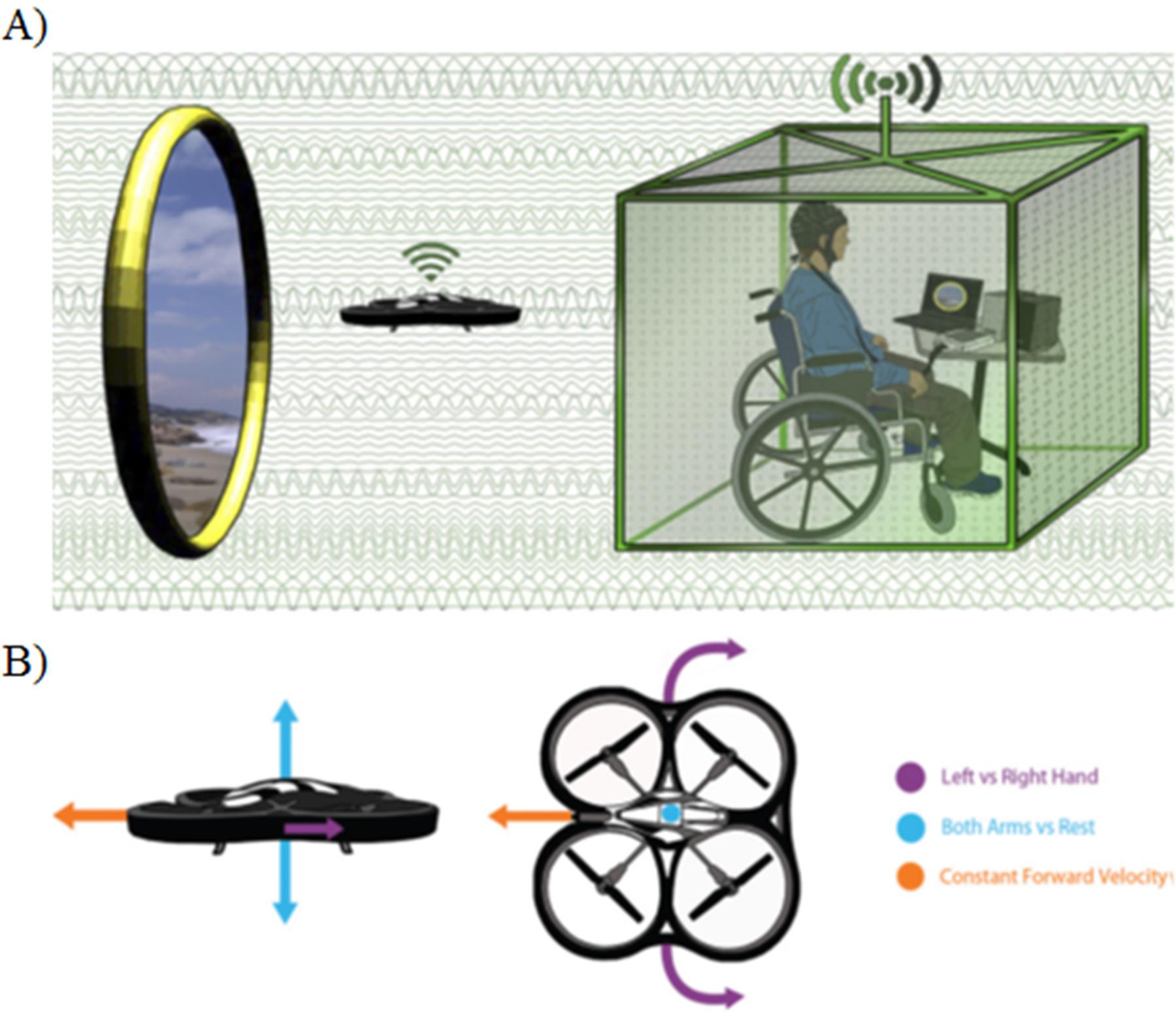
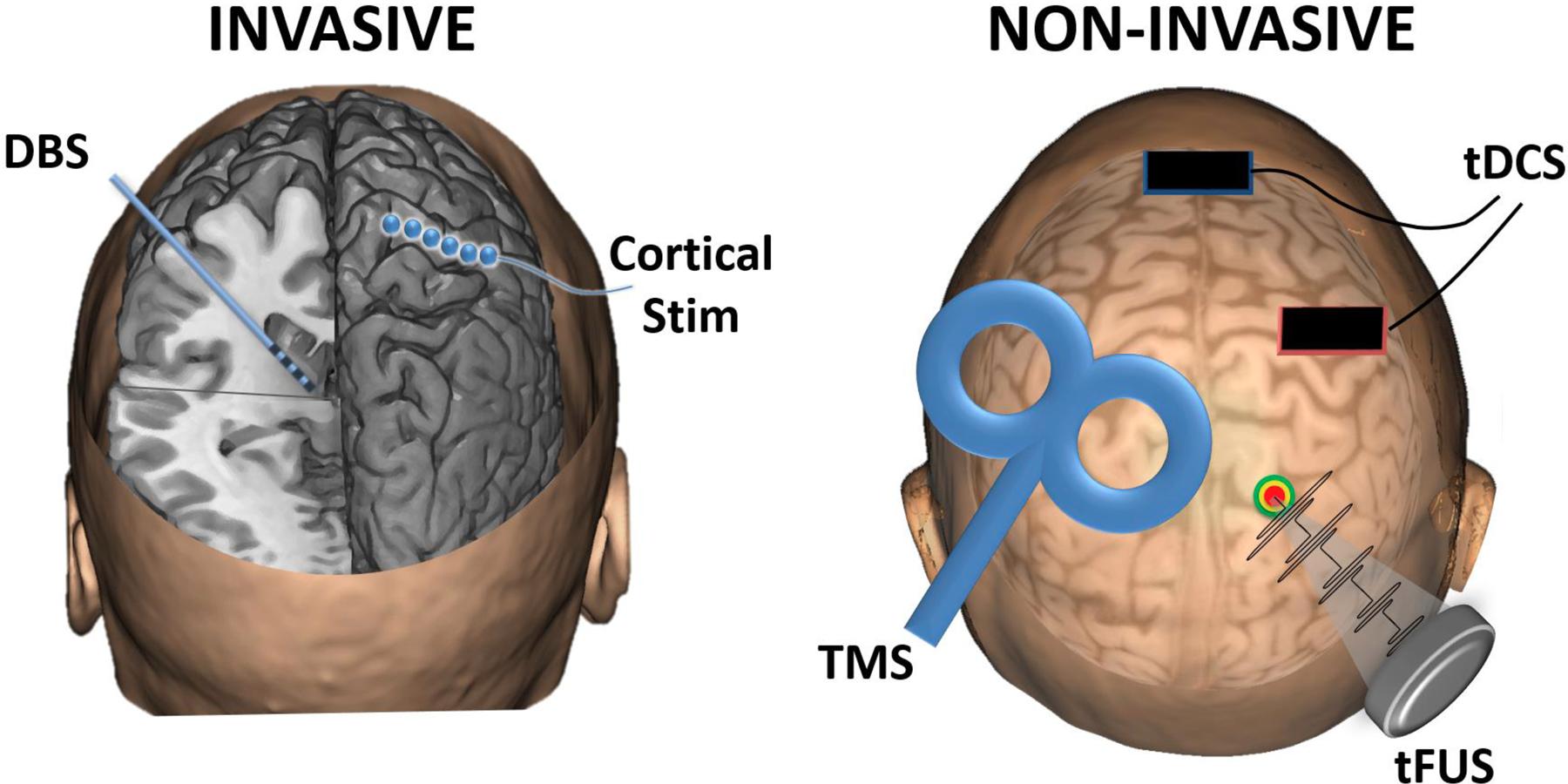
In this paper, we review the current state-of-the-art techniques used for understanding the inner workings of the brain at a systems level. The neural activity that governs our everyday lives involves an intricate coordination of many processes that can be attributed to a variety of brain regions. On the surface, many of these functions can appear to be controlled by specific anatomical structures; however, in reality, numerous dynamic networks within the brain contribute to its function through an interconnected web of neuronal and synaptic pathways. The brain, in its healthy or pathological state, can therefore be best understood by taking a systems-level approach. While numerous neuroengineering technologies exist, we focus here on three major thrusts in the field of systems neuroengineering: neuroimaging, neural interfacing, and neuromodulation. Neuroimaging enables us to delineate the structural and functional organization of the brain, which is key in understanding how the neural system functions in both normal and disease states. Based on such knowledge, devices can be used either to communicate with the neural system, as in neural interface systems, or to modulate brain activity, as in neuromodulation systems. The consideration of these three fields is key to the development and application of neuro-devices. Feedback-based neuro-devices require the ability to sense neural activity (via a neuroimaging modality) through a neural interface (invasive or noninvasive) and ultimately to select a set of stimulation parameters in order to alter neural function via a neuromodulation modality. Systems neuroengineering refers to the use of engineering tools and technologies to image, decode, and modulate the brain in order to comprehend its functions and to repair its dysfunction. Interactions between these fields will help to shape the future of systems neuroengineering-to develop neurotechniques for enhancing the understanding of whole-brain function and dysfunction, and the management of neurological and mental disorders.
在本文中,我们回顾了目前用于在系统层面理解大脑内部运作的先进技术。支配我们日常生活的神经活动涉及许多过程的复杂协调,这些过程可归因于各种脑区。从表面上看,许多这些功能似乎由特定的解剖结构控制;然而,实际上,大脑内众多动态网络通过神经元和突触通路的相互连接网络对其功能发挥作用。因此,无论是处于健康状态还是病理状态,采用系统层面的方法才能最好地理解大脑。虽然存在众多神经工程技术,但我们在此聚焦于系统神经工程领域的三个主要方向:神经成像、神经接口和神经调节。神经成像使我们能够描绘大脑的结构和功能组织,这对于理解神经系统在正常和疾病状态下的功能至关重要。基于这些知识,设备既可以像在神经接口系统中那样与神经系统通信,也可以像在神经调节系统中那样调节大脑活动。对这三个领域的考量是神经设备开发和应用的关键。基于反馈的神经设备需要具备通过神经接口(侵入性或非侵入性)感知神经活动(通过神经成像方式)的能力,并最终选择一组刺激参数,以便通过神经调节方式改变神经功能。系统神经工程是指利用工程工具和技术对大脑进行成像、解码和调节,以理解其功能并修复其功能障碍。这些领域之间的相互作用将有助于塑造系统神经工程的未来——开发神经技术以增进对全脑功能和功能障碍的理解,以及对神经和精神疾病的管理。


 Zotero 插件