
自闭症成年人在西班牙新冠疫情封锁前后在社交世界中导航的个人经历。
Autistic adults' personal experiences of navigating a social world prior to and during Covid-19 lockdown in Spain.
机构信息
Sleep Education and Research Laboratory (SERL), UCL Institute of Education, London, UK.
Research Department of Clinical, Educational and Health Psychology, University College London, London, UK.
出版信息
Res Dev Disabil. 2021 Oct;117:104057. doi: 10.1016/j.ridd.2021.104057. Epub 2021 Aug 6.
BACKGROUND
The SARS-CoV-2 coronavirus pandemic brought significant movement restrictions and national lockdowns. These drastic changes impacted routines, social life and support networks for the autistic community.
AIMS
This study investigated the lived experiences of autistic adults with social expectations before and during the first Covid-19 lockdown in Spain.
METHODS
A qualitative Reflexive Thematic Analysis was applied to 10 Photo Elicitation Interviews using images provided by five autistic adults. Interviews were conducted at two time points, before the pandemic and during the first lockdown.
FINDINGS
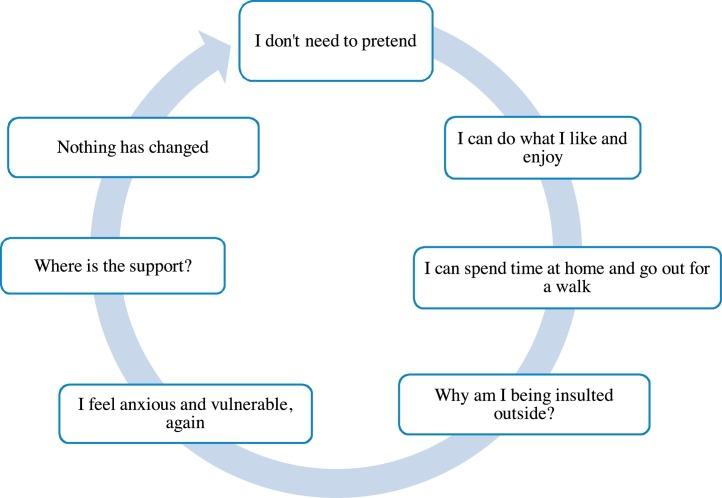
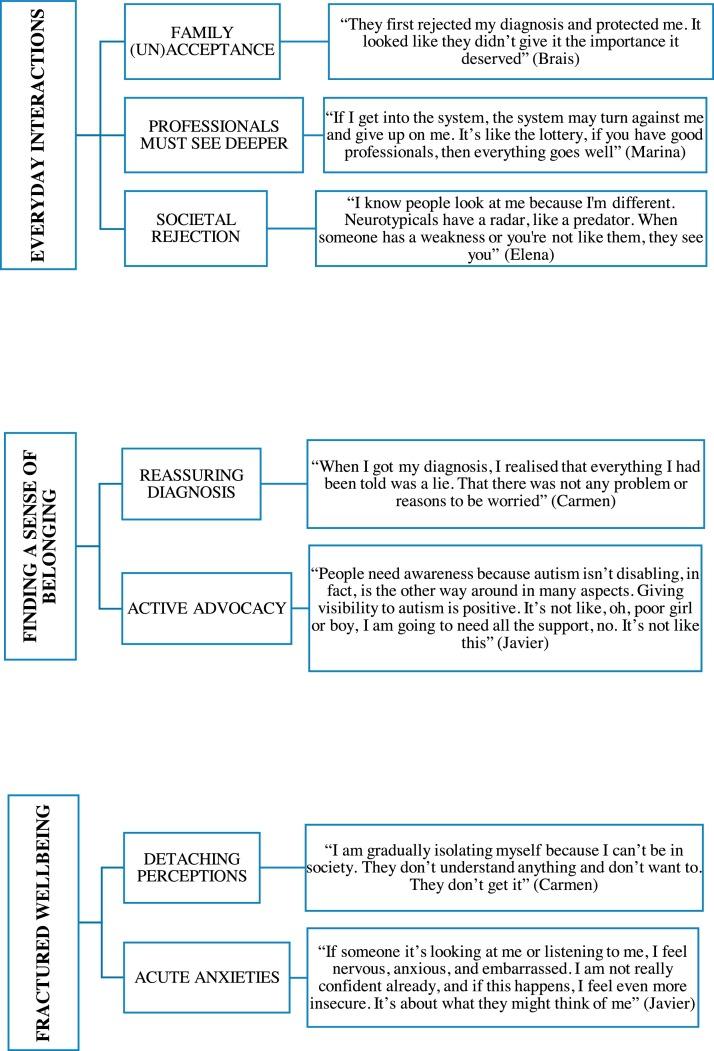
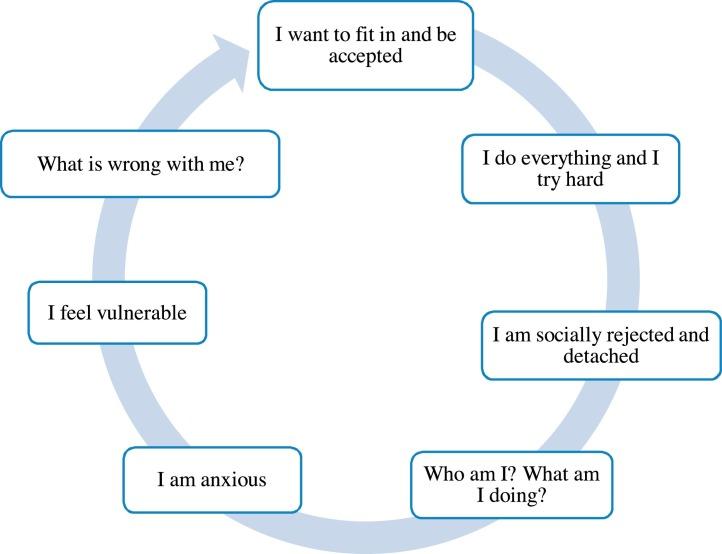
Three themes before the pandemic were identified: (1) everyday interactions, (2) finding sense of belonging, and (3) fractured wellbeing, which revealed the participants' eagerness to fit in socially whilst experiencing rejection, weakening their mental health. During the first Covid-19 lockdown, two master themes were identified: (1) daily, positive experiences, and (2) surfacing failures, which emphasised an increased lived stigma as well as an ineffective autism support network, contributing to a heightened anxiety.
CONCLUSIONS
The current study provides further support to the recent findings highlighting lack of appropriate mental health support for the autistic communities during the pandemic, across the world. Future research should aim to provide more data on the experiences and needs of autistic communities when sudden societal changes are imposed.
背景
SARS-CoV-2 冠状病毒大流行带来了重大的行动限制和全国封锁。这些巨大的变化影响了自闭症群体的日常生活、社交生活和支持网络。
目的
本研究调查了西班牙第一次新冠疫情封锁之前和期间具有社会期望的自闭症成年人的生活体验。
方法
采用反思性主题分析方法对五名自闭症成年人提供的十张图片进行了十次图片引发式访谈。访谈在两个时间点进行,一个在大流行之前,另一个在第一次封锁期间。
结果
在大流行之前确定了三个主题:(1)日常互动,(2)寻找归属感,(3)健康受损,这揭示了参与者渴望融入社会的同时,却经历了排斥,削弱了他们的心理健康。在第一次新冠疫情封锁期间,确定了两个主要主题:(1)日常积极体验,(2)失败浮现,这强调了生活中的耻辱感增加,以及自闭症支持网络无效,导致焦虑加剧。
结论
本研究进一步支持了最近的发现,即在全球范围内,自闭症群体在大流行期间缺乏适当的心理健康支持。未来的研究应该旨在提供更多关于突然的社会变化对自闭症群体的经历和需求的数据。

 Zotero 插件