
用于水处理的混合基质膜制备
Mixed-Matrix Membrane Fabrication for Water Treatment.
作者信息
Siddique Tawsif, Dutta Naba K, Choudhury Namita Roy
机构信息
Chemical and Environmental Engineering, School of Engineering, RMIT University, Melbourne, VIC 3000, Australia.
出版信息
Membranes (Basel). 2021 Jul 23;11(8):557. doi: 10.3390/membranes11080557.
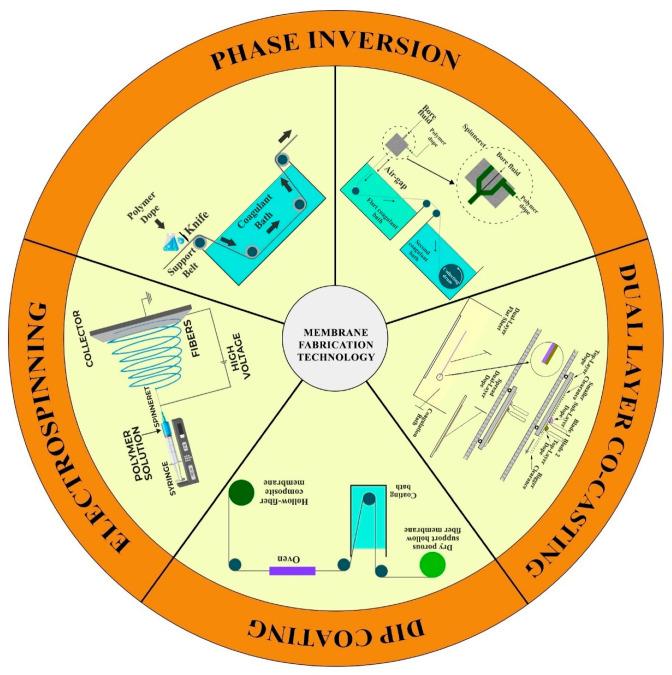
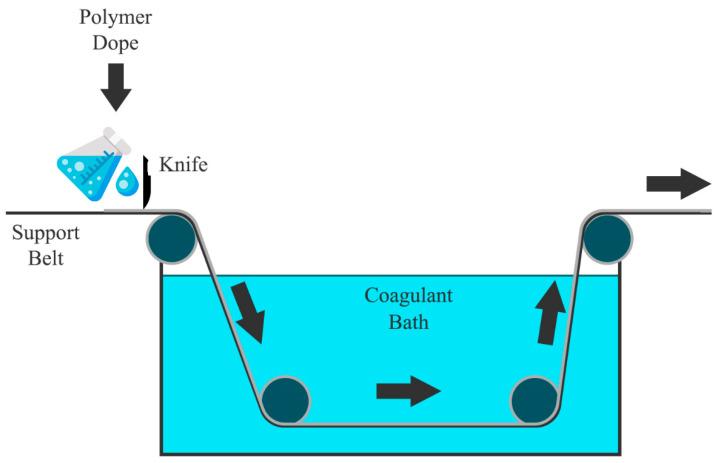
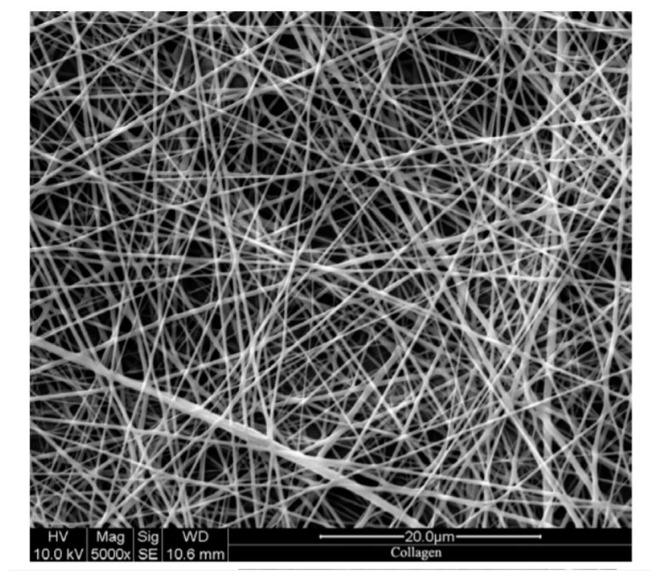
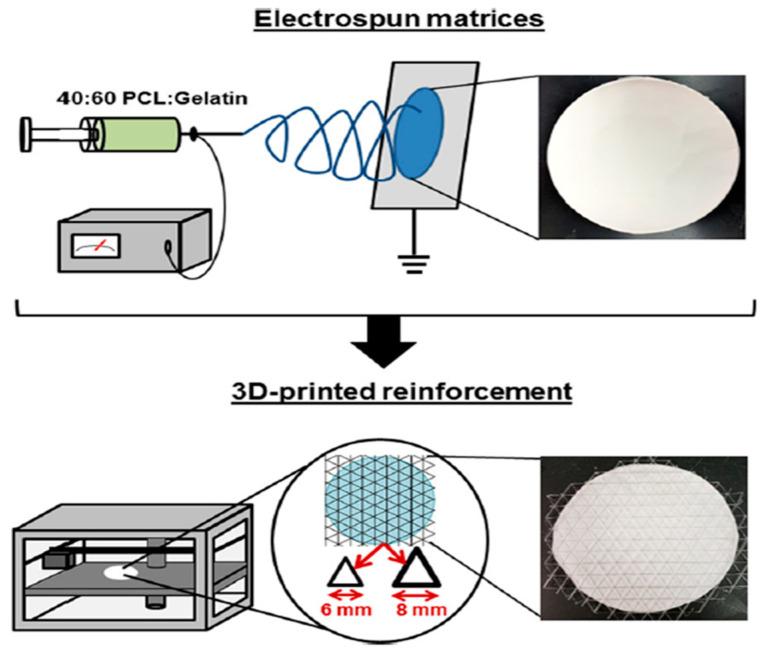
In recent years, technology for the fabrication of mixed-matrix membranes has received significant research interest due to the widespread use of mixed-matrix membranes (MMMs) for various separation processes, as well as biomedical applications. MMMs possess a wide range of properties, including selectivity, good permeability of desired liquid or gas, antifouling behavior, and desired mechanical strength, which makes them preferable for research nowadays. However, these properties of MMMs are due to their tailored and designed structure, which is possible due to a fabrication process with controlled fabrication parameters and a choice of appropriate materials, such as a polymer matrix with dispersed nanoparticulates based on a typical application. Therefore, several conventional fabrication methods such as a phase-inversion process, interfacial polymerization, co-casting, coating, electrospinning, etc., have been implemented for MMM preparation, and there is a drive for continuous modification of advanced, easy, and economic MMM fabrication technology for industrial-, small-, and bulk-scale production. This review focuses on different MMM fabrication processes and the importance of various parameter controls and membrane efficiency, as well as tackling membrane fouling with the use of nanomaterials in MMMs. Finally, future challenges and outlooks are highlighted.
近年来,由于混合基质膜(MMM)在各种分离过程以及生物医学应用中的广泛使用,混合基质膜制备技术受到了广泛的研究关注。MMM具有多种性能,包括选择性、对所需液体或气体的良好渗透性、抗污染性能以及所需的机械强度,这些特性使得它们在当今的研究中备受青睐。然而,MMM的这些性能归因于其经过定制和设计的结构,而这是通过具有可控制造参数的制造工艺以及选择合适的材料(例如基于典型应用的具有分散纳米颗粒的聚合物基质)来实现的。因此,已经采用了几种传统的制造方法,如相转化法、界面聚合法、共铸法、涂覆法、静电纺丝法等用于MMM的制备,并且推动了先进、简便且经济的MMM制造技术在工业规模、小规模和批量生产中的持续改进。本综述重点关注不同的MMM制造工艺、各种参数控制和膜效率的重要性,以及利用MMM中的纳米材料解决膜污染问题。最后,突出了未来的挑战和展望。





 Zotero 插件