
谷胱甘肽是小鼠肾脏中与衰老相关的代谢特征。
Glutathione is an aging-related metabolic signature in the mouse kidney.
机构信息
Integrated Metabolomics Research Group, Western Seoul Center, Korea Basic Science Institute, Seodaemun-Gu, Seoul 03759, Korea.
Aging Research Center, Korea Research Institute of Bioscience and Biotechnology, Yuseong-Gu, Daejeon 34141, Korea.
出版信息
Aging (Albany NY). 2021 Sep 7;13(17):21009-21028. doi: 10.18632/aging.203509.
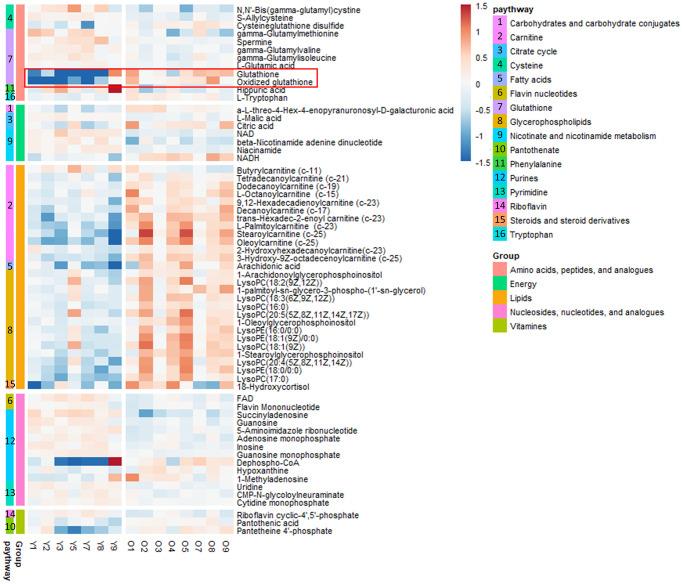
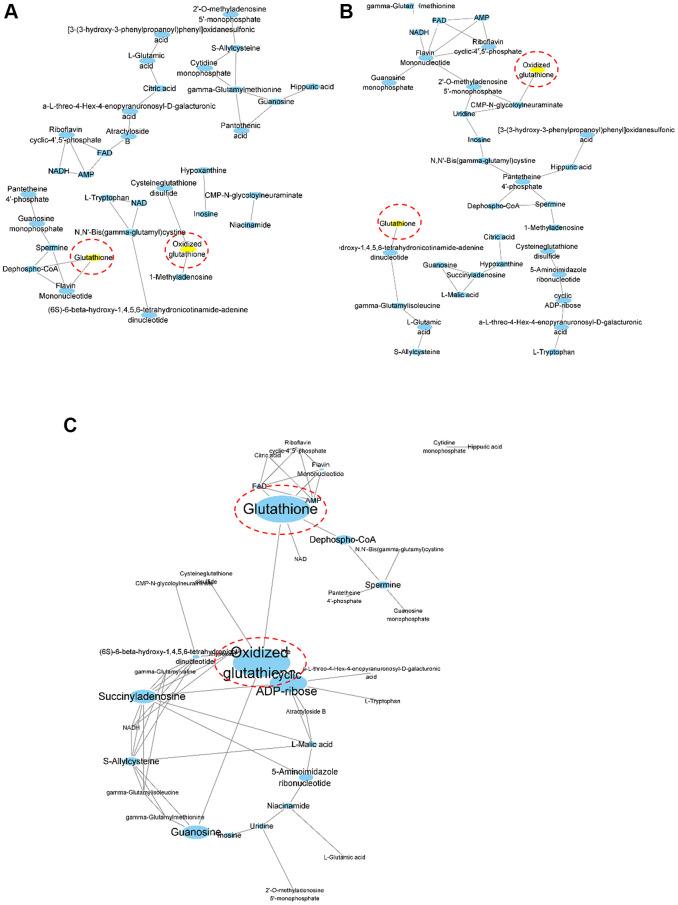
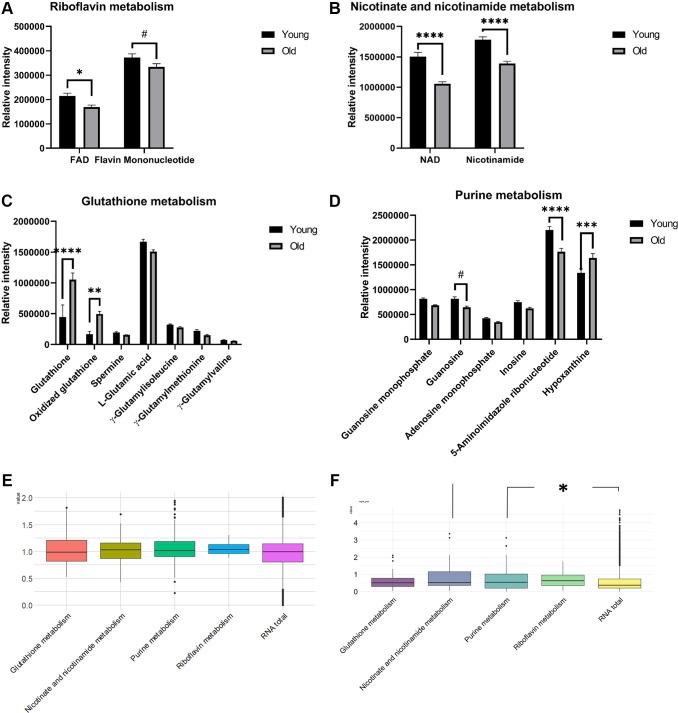
The ability to maintain systemic metabolic homeostasis through various mechanisms represents a crucial strength of kidneys in the study of metabolic syndrome or aging. Moreover, age-associated kidney failure has been widely accepted. However, efforts to demonstrate aging-dependent renal metabolic rewiring have been limited. In the present study, we investigated aging-related renal metabolic determinants by integrating metabolomic and transcriptomic data sets from kidneys of young (3 months, = 7 and 3 for respectively) and old (24 months, = 8 and 3 for respectively) naive C57BL/6 male mice. Metabolite profiling analysis was conducted, followed by data processing via network and pathway analyses, to identify differential metabolites. In the aged group, the levels of glutathione and oxidized glutathione were significantly increased, but the levels of gamma-glutamyl amino acids, amino acids combined with the gamma-glutamyl moiety from glutathione by membrane transpeptidases, and circulating glutathione levels were decreased. In transcriptomic analysis, differential expression of metabolic enzymes is consistent with the hypothesis of aging-dependent rewiring in renal glutathione metabolism; pathway and network analyses further revealed the increased expression of immune-related genes in the aged group. Collectively, our integrative analysis results revealed that defective renal glutathione metabolism is a signature of renal aging. Therefore, we hypothesize that restraining renal glutathione metabolism might alleviate or delay age-associated renal metabolic deterioration, and aberrant activation of the renal immune system.
肾脏通过各种机制维持全身代谢稳态的能力,是其在代谢综合征或衰老研究中的一个重要优势。此外,与年龄相关的肾脏衰竭已被广泛接受。然而,证明与年龄相关的肾脏代谢重编程的努力受到限制。在本研究中,我们通过整合来自年轻(3 个月,分别为 = 7 和 3)和老年(24 个月,分别为 = 8 和 3)未处理 C57BL/6 雄性小鼠肾脏的代谢组学和转录组学数据集,研究了与年龄相关的肾脏代谢决定因素。进行代谢产物分析,然后通过网络和途径分析进行数据处理,以鉴定差异代谢物。在老年组中,谷胱甘肽和氧化谷胱甘肽的水平显著增加,而γ-谷氨酰基氨基酸、通过膜转肽酶与谷胱甘肽的γ-谷氨酰基部分结合的氨基酸以及循环谷胱甘肽的水平降低。在转录组分析中,代谢酶的差异表达与肾脏谷胱甘肽代谢中依赖于年龄的重编程假设一致;途径和网络分析进一步揭示了老年组中免疫相关基因的表达增加。总的来说,我们的综合分析结果表明,肾脏谷胱甘肽代谢缺陷是肾脏衰老的特征。因此,我们假设抑制肾脏谷胱甘肽代谢可能缓解或延迟与年龄相关的肾脏代谢恶化和肾脏免疫系统的异常激活。

 Zotero 插件