
二甲双胍改善了母体高脂肪饮食诱导的母体菌群失调和胎儿肝脏细胞凋亡。
Metformin ameliorates maternal high-fat diet-induced maternal dysbiosis and fetal liver apoptosis.
机构信息
Department of Obstetrics and Gynecology, Kaohsiung Chang Gung Memorial Hospital, Chang Gung University College of Medicine, Kaohsiung, Taiwan.
Department of Obstetrics and Gynecology, Chiayi Chang Gung Memorial Hospital, Chiayi, Taiwan.
出版信息
Lipids Health Dis. 2021 Sep 8;20(1):100. doi: 10.1186/s12944-021-01521-w.
BACKGROUND
The deleterious effect of maternal high-fat diet (HFD) on the fetal rat liver may cause later development of non-alcoholic fatty liver disease (NAFLD). The aim of this study was to evaluate the effect of maternal HFD-induced maternal hepatic steatosis and dysbiosis on the fetal liver and intestines, and the effect of prenatal metformin in a rat model.
METHODS
Sprague-Dawley rats were assigned to three groups (N = 6 in each group). Before mating, the rats were randomly assigned to HFD or normal-chow diet (NCD) group for 7 weeks. After mating, the HFD group rats were continued with high-fat diet during pregnancy and some of the HFD group rats were co-treated with metformin (HFMf) via drinking water during pregnancy. All maternal rats and their fetuses were sacrificed on gestational day 21. The liver and intestinal tissues of both maternal and fetal rats were analyzed. In addition, microbial deoxyribonucleic acid extracted from the maternal fecal samples was analyzed.
RESULTS
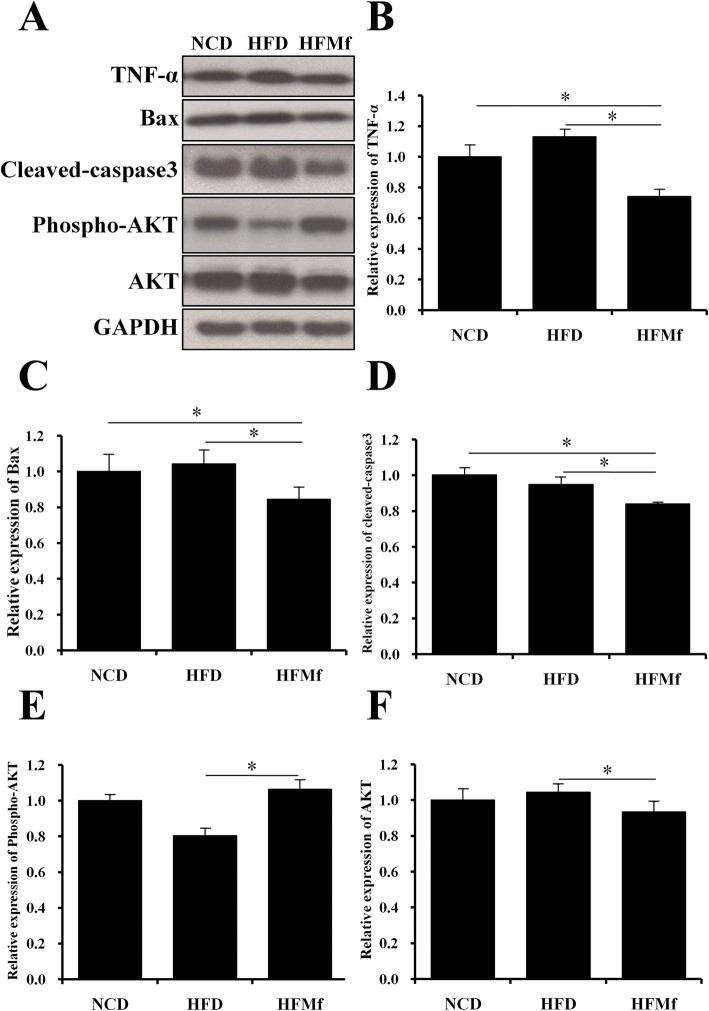
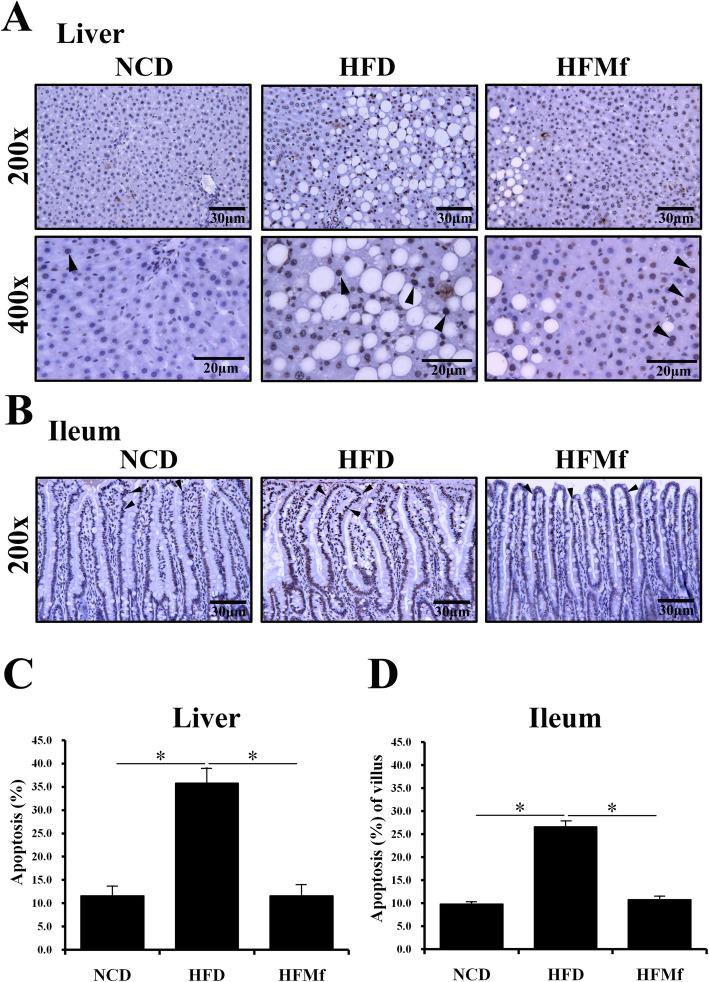
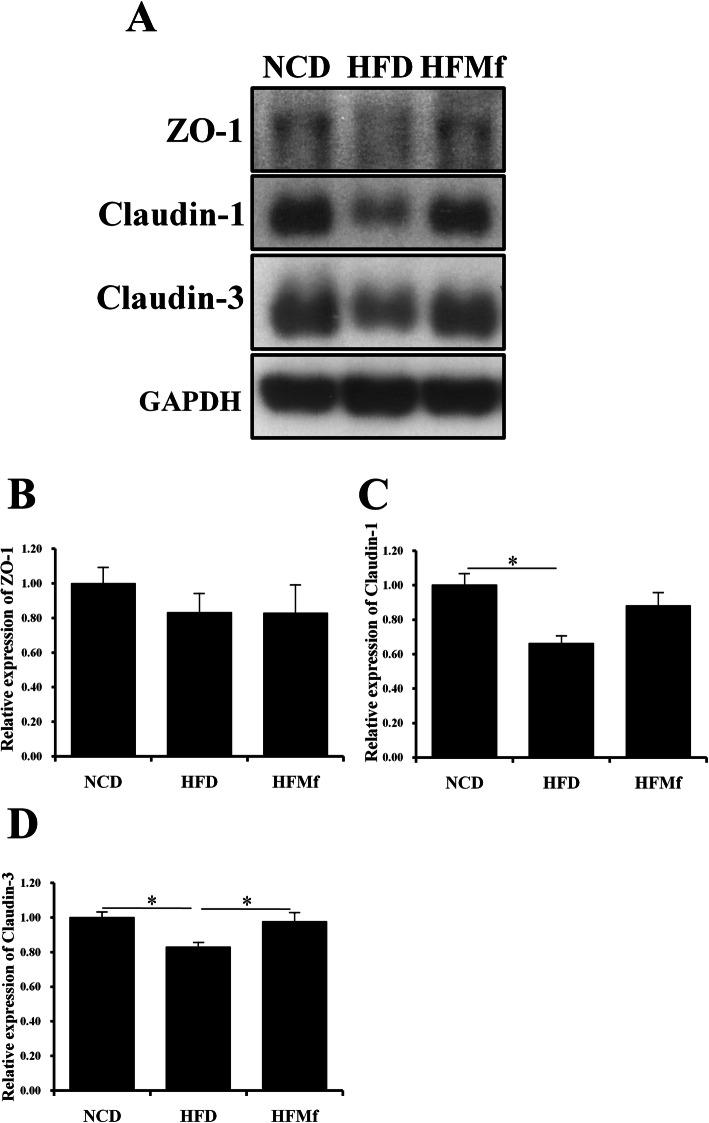
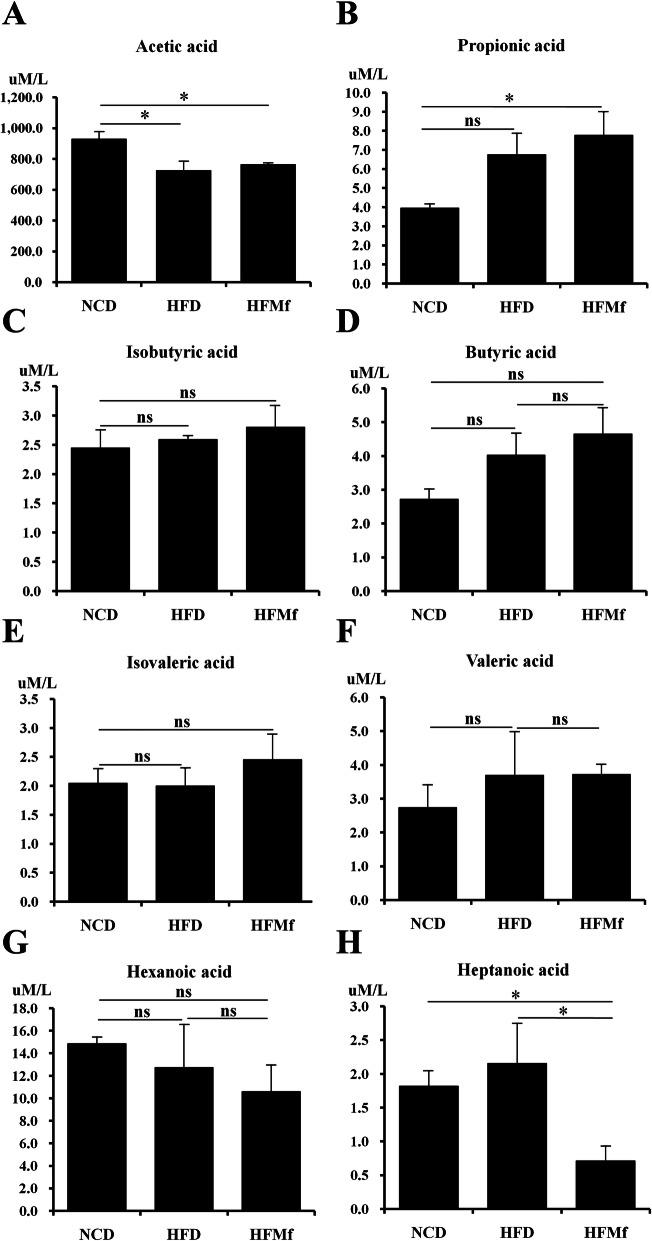
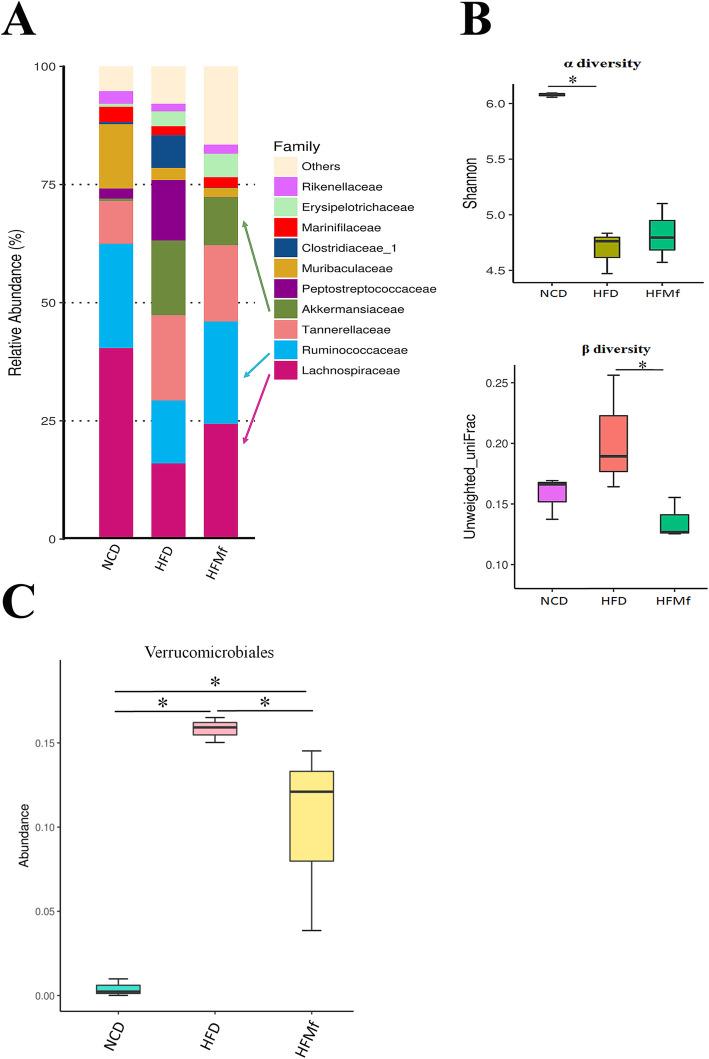
HFD resulted in maternal weight gain during pregnancy, intrahepatic lipid accumulation, and change in the serum short-chain fatty acid profile, intestinal tight junctions, and dysbiosis in maternal rats. The effect of HFD on maternal rats was alleviated by prenatal metformin, which also ameliorated inflammation and apoptosis in the fetal liver and intestines.
CONCLUSIONS
This study demonstrated the beneficial effects of prenatal metformin on maternal liver steatosis, focusing on the gut-liver axis. In addition, the present study indicates that prenatal metformin could ameliorate maternal HFD-induced inflammation and apoptosis in the fetal liver and intestines. This beneficial effect of in-utero exposure of metformin on fetal liver and intestines has not been reported. This study supports the use of prenatal metformin for pregnant obese women.
背景
母体高脂肪饮食(HFD)对胎鼠肝脏的有害影响可能导致非酒精性脂肪性肝病(NAFLD)的后期发展。本研究旨在评估母体 HFD 诱导的母体肝脂肪变性和肠道菌群失调对胎肝和肠道的影响,以及在大鼠模型中产前二甲双胍的作用。
方法
将 Sprague-Dawley 大鼠随机分为 3 组(每组 6 只)。交配前,大鼠被随机分为 HFD 或正常饮食(NCD)组,喂养 7 周。交配后,HFD 组大鼠在妊娠期间继续给予高脂肪饮食,部分 HFD 组大鼠在妊娠期间通过饮用水给予二甲双胍(HFMf)共同治疗。所有母鼠及其胎儿均于妊娠第 21 天处死。分析母鼠和胎鼠的肝、肠组织。此外,还分析了来自母鼠粪便样本的微生物脱氧核糖核酸。
结果
HFD 导致母鼠妊娠期间体重增加、肝内脂质蓄积、血清短链脂肪酸谱改变、肠道紧密连接和肠道菌群失调。产前二甲双胍减轻了 HFD 对母鼠的影响,也改善了胎鼠肝脏和肠道的炎症和细胞凋亡。
结论
本研究表明,产前二甲双胍对母体肝脏脂肪变性具有有益作用,重点关注了肠道-肝脏轴。此外,本研究表明,产前二甲双胍可改善母体 HFD 诱导的胎鼠肝脏和肠道的炎症和细胞凋亡。这种在宫内暴露于二甲双胍对胎儿肝脏和肠道的有益影响尚未有报道。本研究支持对肥胖孕妇使用产前二甲双胍。



 Zotero 插件