
《次神之子:难治性心绞痛的细胞治疗案例》
Son of a Lesser God: The Case of Cell Therapy for Refractory Angina.
作者信息
Bassetti Beatrice, Rurali Erica, Gambini Elisa, Pompilio Giulio
机构信息
Unità di Biologia Vascolare e Medicina Rigenerativa, Centro Cardiologico Monzino-Istituto di Ricovero e Cura a Carattere Scientifico (IRCCS), Milan, Italy.
Oloker Therapeutics S.r.l., Bari, Italy.
出版信息
Front Cardiovasc Med. 2021 Sep 6;8:709795. doi: 10.3389/fcvm.2021.709795. eCollection 2021.
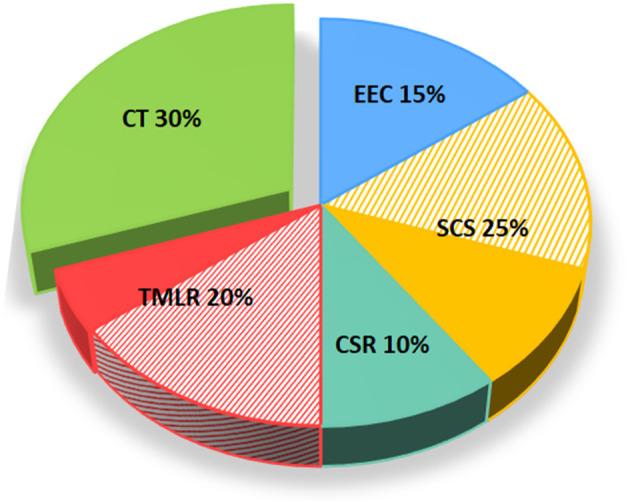
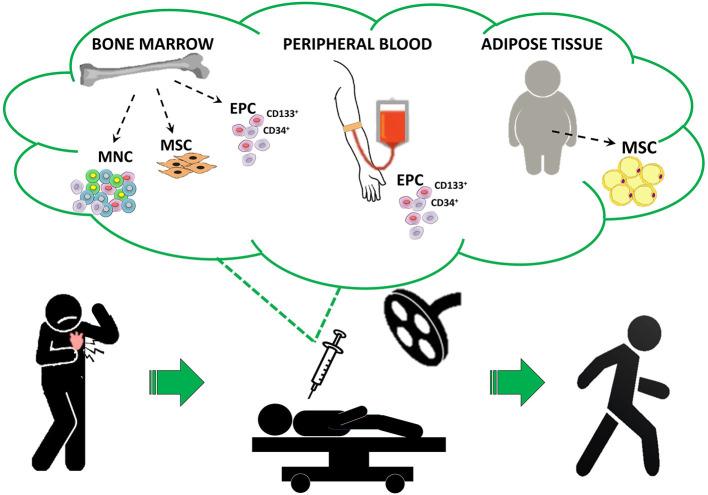
In the last decades, various non-pharmacological solutions have been tested on top of medical therapy for the treatment of patients affected by refractory angina (RA). Among these therapeutics, neuromodulation, external counter-pulsation and coronary sinus constriction have been recently introduced in the guidelines for the management of RA in United States and Europe. Notably and paradoxically, although a consistent body of evidence has proposed cell-based therapies (CT) as safe and salutary for RA outcome, CT has not been conversely incorporated into current international guidelines yet. As a matter of fact, published randomized controlled trials (RCT) and meta-analyses (MTA) cumulatively indicated that CT can effectively increase perfusion, physical function and well-being, thus reducing angina symptoms and drug assumption in RA patients. In this review, we (i) provide an updated overview of novel non-pharmacological therapeutics included in current guidelines for the management of patients with RA, (ii) discuss the Level of Evidence stemmed from available clinical trials for each recommended treatment, and (iii) focus on evidence-based CT application for the management of RA.
在过去几十年中,针对难治性心绞痛(RA)患者,在药物治疗基础上对各种非药物治疗方案进行了测试。在这些治疗方法中,神经调节、体外反搏和冠状静脉窦缩窄最近已被纳入美国和欧洲RA管理指南。值得注意且自相矛盾的是,尽管大量证据表明基于细胞的疗法(CT)对RA结局安全且有益,但CT尚未被纳入当前国际指南。事实上,已发表的随机对照试验(RCT)和荟萃分析(MTA)累计表明,CT可有效增加灌注、身体功能和幸福感,从而减轻RA患者的心绞痛症状并减少药物使用。在本综述中,我们(i)提供当前RA患者管理指南中包含的新型非药物治疗方法的最新概述,(ii)讨论每种推荐治疗方法现有临床试验的证据水平,以及(iii)重点关注基于证据的CT在RA管理中的应用。
 Zotero 插件