
HBV 特异性 CD8 T 细胞功能耗竭阻碍慢性 HBV 感染中 PD-L1 阻断的疗效。
Functional Exhaustion of HBV-Specific CD8 T Cells Impedes PD-L1 Blockade Efficacy in Chronic HBV Infection.
机构信息
Microbial Sciences, Biopharmaceuticals R&D, AstraZeneca, Gaithersburg, MD, United States.
Toronto Center for Liver Disease, Toronto General Hospital, University Health Network, Toronto, ON, Canada.
出版信息
Front Immunol. 2021 Sep 13;12:648420. doi: 10.3389/fimmu.2021.648420. eCollection 2021.
BACKGROUND
A functional cure for chronic HBV could be achieved by boosting HBV-specific immunity. studies show that immunotherapy could be an effective strategy. However, these studies include strategies to enrich HBV-specific CD8 T cells, which could alter the expression of the anti-PD-1/anti-PD-L1 antibody targets. Our aim was to determine the efficacy of PD-L1 blockade .
METHODS
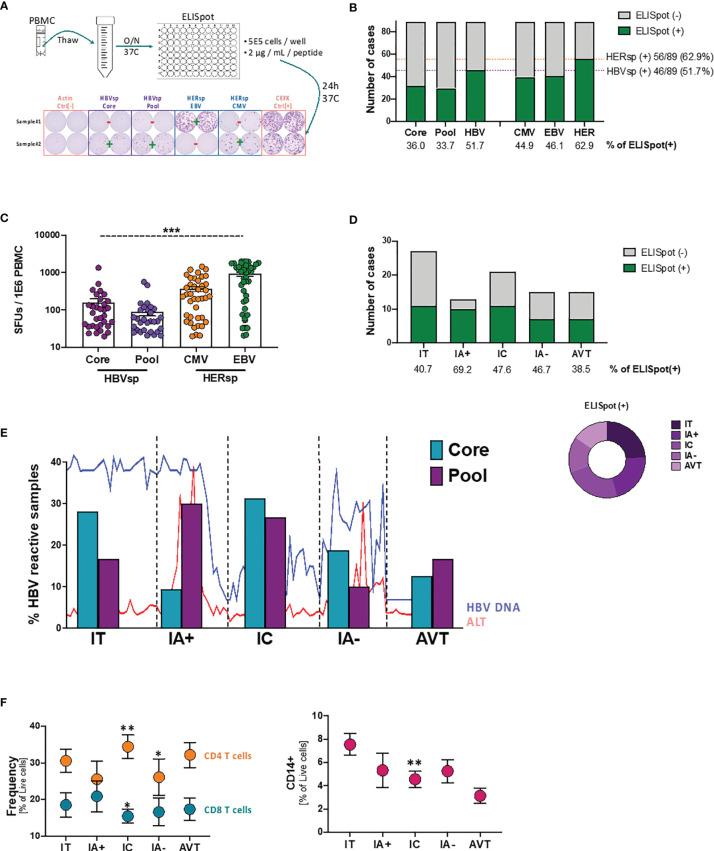
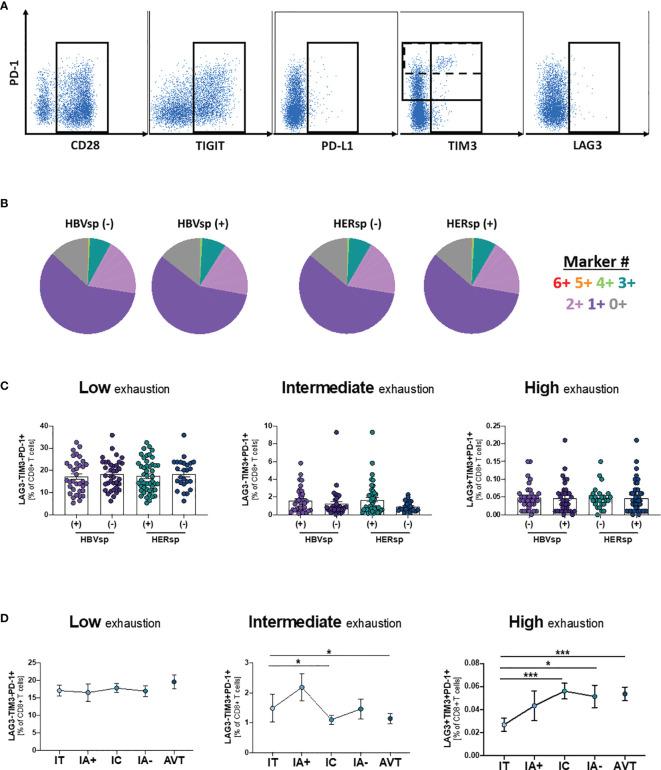
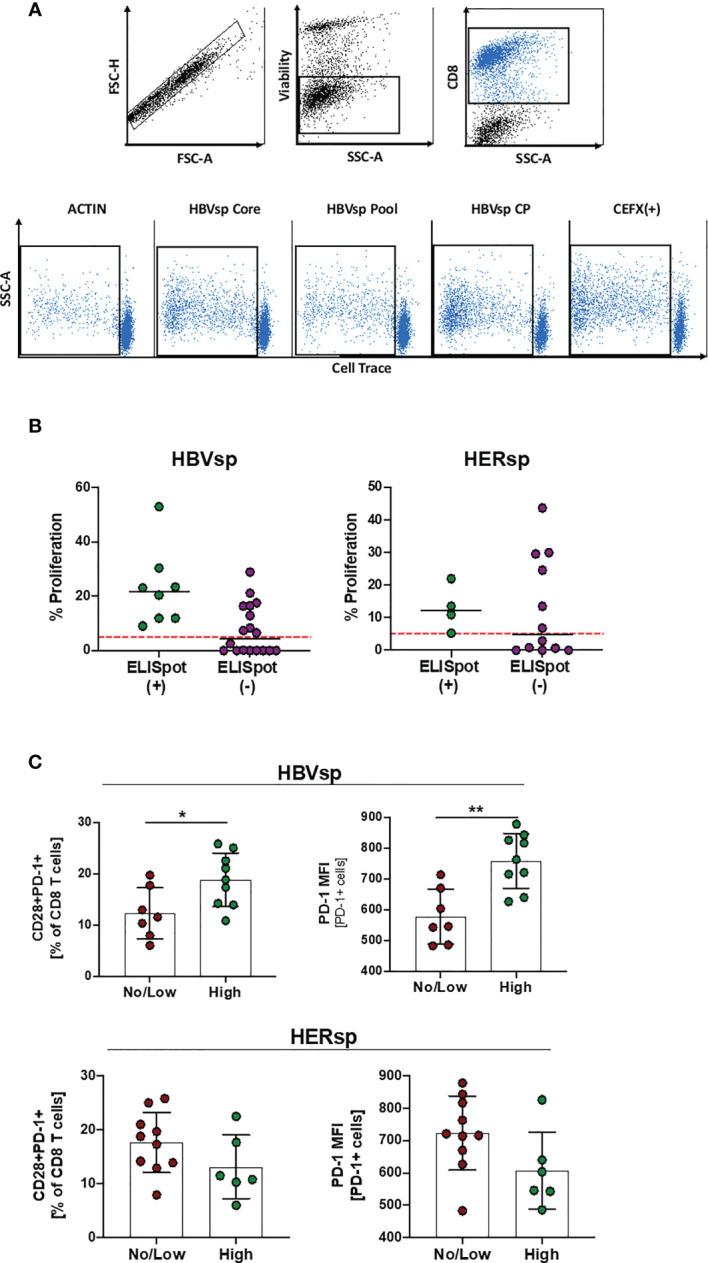
HBV-specific CD8 T cells were characterized by flow cytometry for the simultaneous analysis of six immune populations and 14 activating and inhibitory receptors. functionality was quantified by ELISpot and by combining peptide pool stimulation, dextramers and intracellular flow cytometry staining.
RESULTS
The functionality of HBV-specific CD8 T cells is associated with a higher frequency of cells with low exhaustion phenotype (LAG3TIM3PD-1), independently of the clinical parameters. The accumulation of HBV-specific CD8 T cells with a functionally exhausted phenotype (LAG3TIM3PD-1) is associated with lack of functionality. PD-L1 blockade enhanced the HBV-specific CD8 T cell response only in patients with lower exhaustion levels, while response to PD-L1 blockade was abrogated in patients with higher frequencies of exhausted HBV-specific CD8 T cells.
CONCLUSION
Higher levels of functionally exhausted HBV-specific CD8 T cells are associated with a lack of response that cannot be restored by blocking the PD-1:PD-L1 axis. This suggests that the clinical effectiveness of blocking the PD-1:PD-L1 axis as a monotherapy may be restricted. Combination strategies, potentially including the combination of anti-LAG-3 with other anti-iR antibodies, will likely be required to elicit a functional cure for patients with high levels of functionally exhausted HBV-specific CD8 T cells.
背景
通过增强乙型肝炎病毒(HBV)特异性免疫,可能实现慢性 HBV 的功能性治愈。研究表明免疫疗法可能是一种有效的策略。然而,这些研究包括富集 HBV 特异性 CD8 T 细胞的策略,这可能改变抗 PD-1/抗 PD-L1 抗体靶点的表达。我们的目的是确定 PD-L1 阻断的疗效。
方法
通过流式细胞术同时分析六个免疫群体和 14 种激活和抑制受体,对 HBV 特异性 CD8 T 细胞进行特征分析。通过 ELISpot 和结合肽池刺激、二聚体和细胞内流式细胞术染色来量化功能。
结果
HBV 特异性 CD8 T 细胞的功能与具有低衰竭表型(LAG3TIM3PD-1)的细胞的更高频率相关,与临床参数无关。具有功能衰竭表型(LAG3TIM3PD-1)的 HBV 特异性 CD8 T 细胞的积累与缺乏功能相关。PD-L1 阻断仅在具有较低衰竭水平的患者中增强 HBV 特异性 CD8 T 细胞反应,而在具有更高频率耗尽的 HBV 特异性 CD8 T 细胞的患者中,PD-L1 阻断的反应被阻断。
结论
具有更高水平的功能衰竭的 HBV 特异性 CD8 T 细胞与缺乏反应相关,这种反应不能通过阻断 PD-1:PD-L1 轴来恢复。这表明阻断 PD-1:PD-L1 轴作为单一疗法的临床效果可能受到限制。组合策略,可能包括抗 LAG-3 与其他抗 iR 抗体的组合,可能需要为具有高水平功能衰竭的 HBV 特异性 CD8 T 细胞患者引发功能性治愈。



 Zotero 插件