
水中和废水中的全氟和多氟烷基物质:对其全球存在和分布的批判性回顾。
Per- and polyfluoroalkyl substances in water and wastewater: A critical review of their global occurrence and distribution.
机构信息
Department of Civil and Environmental Engineering, California State University, 800 N. State College Blvd., Fullerton, CA 92831, USA; Center for Environmental Solutions and Emergency Response, U.S. Environmental Protection Agency, 919 Kerr Research Drive, Ada, OK 74820, USA.
Department of Civil and Environmental Engineering, California State University, 800 N. State College Blvd., Fullerton, CA 92831, USA.
出版信息
Sci Total Environ. 2022 Feb 25;809:151003. doi: 10.1016/j.scitotenv.2021.151003. Epub 2021 Oct 22.
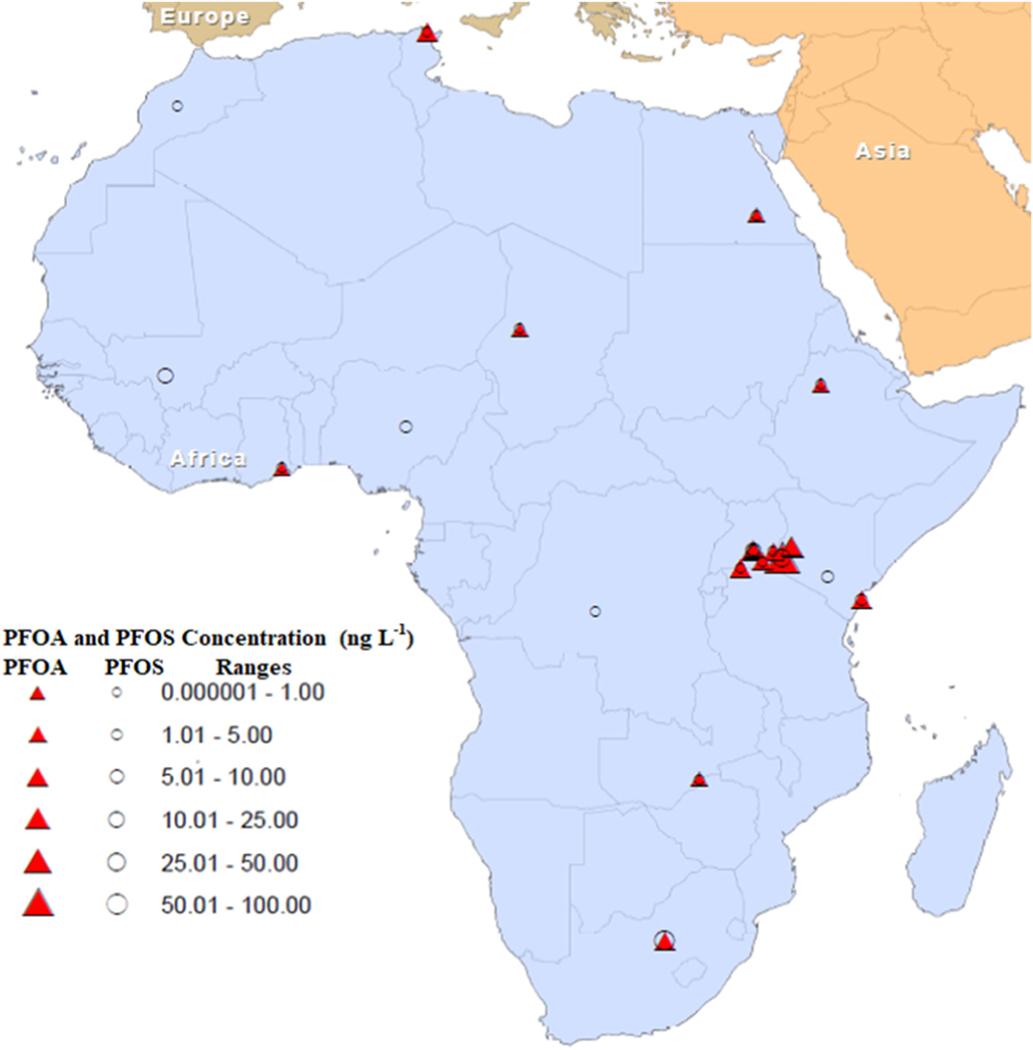
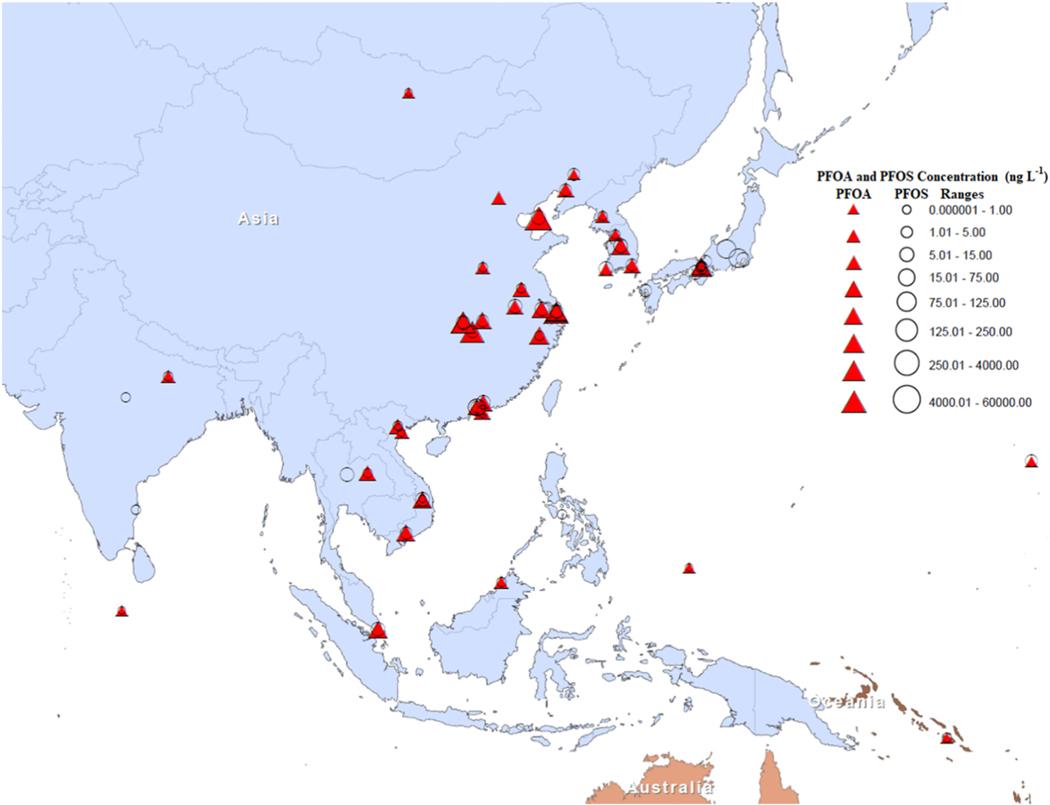
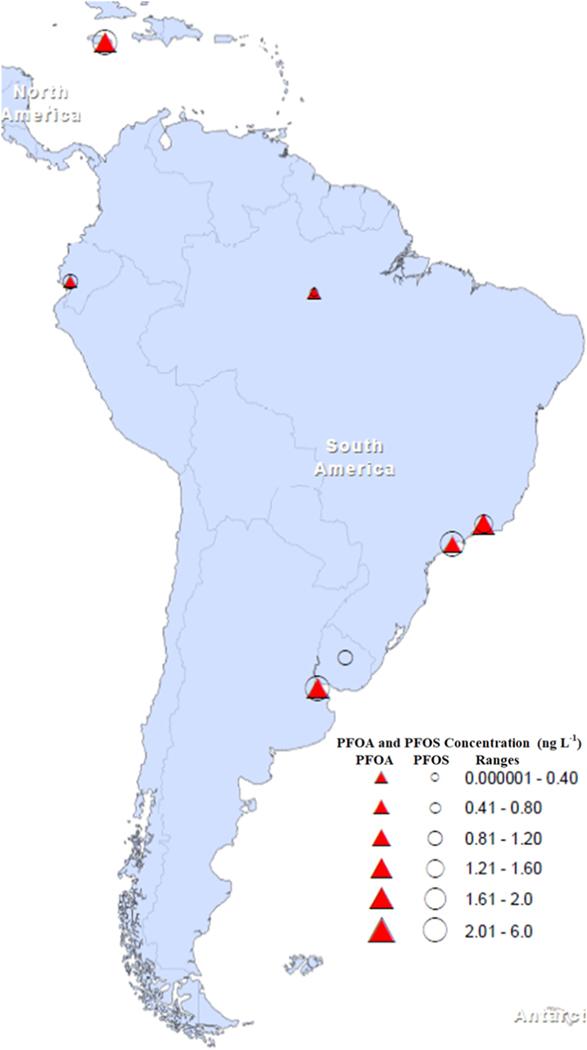
Per- and polyfluoroalkyl substances (PFAS) are a family of fluorinated organic compounds of anthropogenic origin. Due to their unique chemical properties, widespread production, environmental distribution, long-term persistence, bioaccumulative potential, and associated risks for human health, PFAS have been classified as persistent organic pollutants of significant concern. Scientific evidence from the last several decades suggests that their widespread occurrence in the environment correlates with adverse effects on human health and ecology. The presence of PFAS in the aquatic environment demonstrates a close link between the anthroposphere and the hydrological cycle, and concentrations of PFAS in surface and groundwater range in value along the ng L-μg L scale. Here, we critically reviewed the research published in the last decade on the global occurrence and distribution of PFAS in the aquatic environment. Ours is the first paper to critically evaluate the occurrence of PFAS at the continental scale and the evolving global regulatory responses to manage and mitigate the adverse human health risks posed by PFAS. The review reports that PFAS are widespread despite being phased out-they have been detected in different continents irrespective of the level of industrial development. Their occurrence far from the potential sources suggests that long-range atmospheric transport is an important pathway of PFAS distribution. Recently, several studies have investigated the health impacts of PFAS exposure-they have been detected in biota, drinking water, food, air, and human serum. In response to the emerging information about PFAS toxicity, several countries have provided administrative guidelines for PFAS in water, including Canada, the United Kingdom, Sweden, Norway, Germany, and Australia. In the US, additional regulatory measures are under consideration. Further, many PFAS have now been listed as persistent organic pollutants. This comprehensive review provides crucial baseline information on the global occurrence, distribution, and regulatory framework of PFAS.
全氟和多氟烷基物质(PFAS)是一类人为来源的含氟有机化合物。由于其独特的化学性质、广泛的生产、环境分布、长期持久性、生物累积潜力以及对人类健康的相关风险,PFAS 已被归类为具有重大关注的持久性有机污染物。过去几十年的科学证据表明,它们在环境中的广泛存在与人类健康和生态的不良影响有关。PFAS 存在于水生环境中,表明人类活动与水文循环之间存在密切联系,地表水和地下水中的 PFAS 浓度沿 ng L-μg L 范围变化。在这里,我们批判性地回顾了过去十年中关于 PFAS 在水生环境中的全球出现和分布的研究。这是第一篇批判性评估 PFAS 在大陆尺度上出现的论文,也是第一篇评估全球不断发展的监管应对措施以管理和减轻 PFAS 对人类健康的不利风险的论文。该评论报告称,尽管 PFAS 已被逐步淘汰,但它们仍广泛存在——无论工业发展水平如何,它们都在不同的大陆被检测到。它们在远离潜在来源的地方出现表明,长距离大气传输是 PFAS 分布的一个重要途径。最近,一些研究调查了 PFAS 暴露对健康的影响——它们在生物群、饮用水、食物、空气和人类血清中都有被检测到。针对关于 PFAS 毒性的新信息,加拿大、英国、瑞典、挪威、德国和澳大利亚等几个国家已经为水中的 PFAS 提供了管理指南。在美国,正在考虑采取额外的监管措施。此外,许多 PFAS 现已被列为持久性有机污染物。本综述提供了关于 PFAS 的全球出现、分布和监管框架的重要基线信息。



 Zotero 插件