
高色氨酸饮食可减少DBA/1小鼠癫痫诱发的呼吸骤停并改变其肠道微生物群。
A High-Tryptophan Diet Reduces Seizure-Induced Respiratory Arrest and Alters the Gut Microbiota in DBA/1 Mice.
作者信息
Yue Qiang, Cai Mingfei, Xiao Bo, Zhan Qiong, Zeng Chang
机构信息
Department of Neurology, Xiangya Hospital, Central South University, Changsha, China.
Department of Neurology, The Second Xiangya Hospital, Central South University, Changsha, China.
出版信息
Front Neurol. 2021 Nov 23;12:762323. doi: 10.3389/fneur.2021.762323. eCollection 2021.
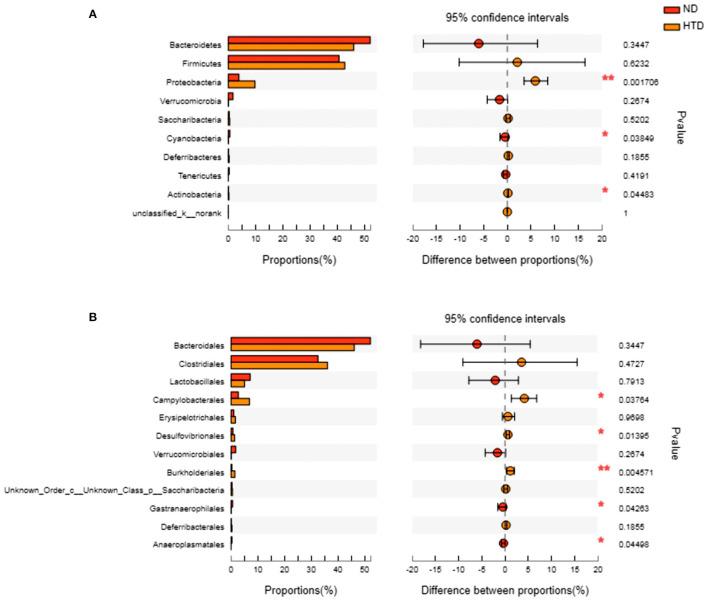
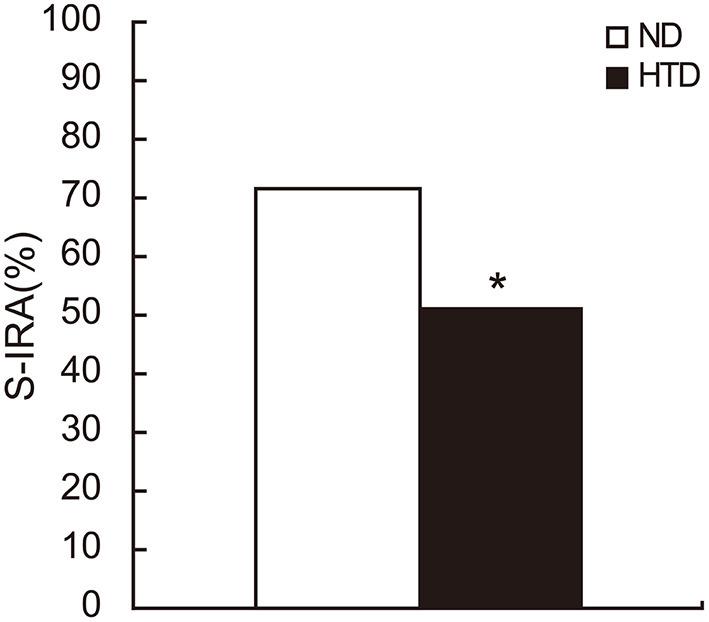
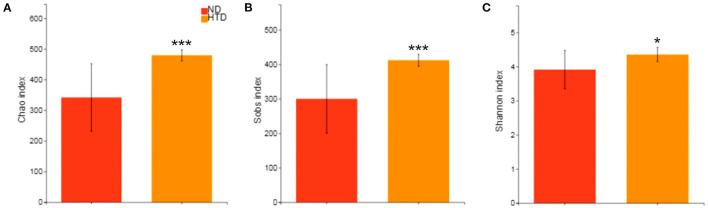
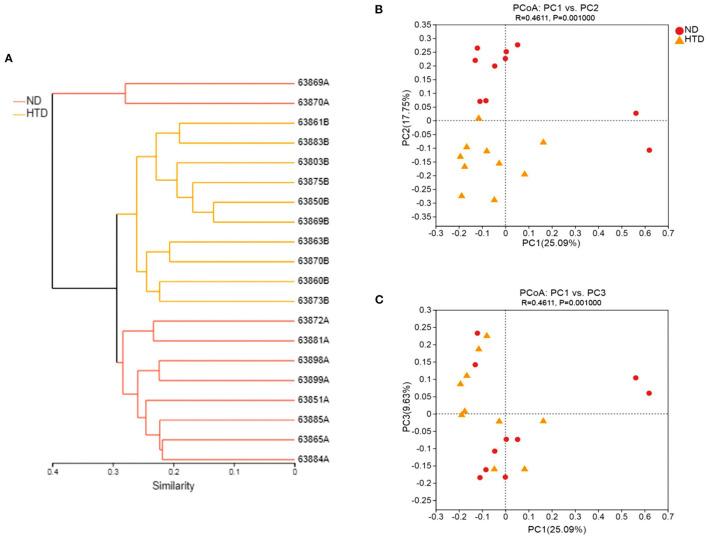
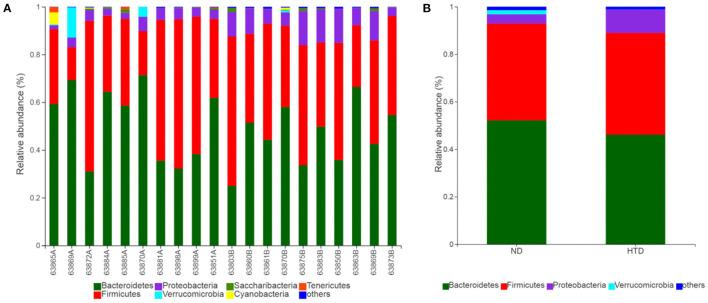
Central 5-hydroxytryptamine (5-HT) defects are responsible for the occurrence of sudden unexpected death in epilepsy (SUDEP). The DBA/1 mouse is an animal model of SUDEP since the mouse exhibits audiogenic seizure-induced respiratory arrest (S-IRA). The synthesis of central 5-HT is closely related to the gut microbiota. Moreover, emerging studies suggest a possible role for the microbiota in mitigating seizure likelihood. Based on this, we aimed to explore the effect of a high-tryptophan diet (HTD) on SUDEP as well as the synthesis and metabolism of central 5-HT. Furthermore, we investigated the involvement of the gut microbiota in this process. All DBA/1 mice were subjected to acoustic stimulation to induce seizures. Only those mice that exhibited S-IRA were randomly assigned to the normal diet (ND) group ( = 39) or HTD group ( = 53). After 1 month of dietary intervention, (1) S-IRA rates were evaluated, (2) the concentrations of 5-HT and its metabolite 5-hydroxyindoleacetic acid (5-HIAA) in the plasma and brain were determined by ultra-high-pressure liquid chromatography, and (3) the fecal flora biodiversity and species composition were analyzed by 16S rDNA microbiota profiling. The S-IRA rate in DBA/1 mice was significantly reduced in the HTD group compared with that in the control group. HTD increased the levels of 5-HT and 5-HIAA in both the telencephalon and midbrain. HTD significantly elevated the species richness and diversity of the gut microbiota. Moreover, there was a significant difference in the gut microbiota composition between the two groups, and the intestinal flora was dominated by and after HTD. HTD is efficient in lowering S-IRA rates and elevating the central 5-HT level in DBA/1 mice. The gut microbiota was altered after HTD intervention. The significant increase in and may be related to the SUDEP-protective effect of HTD. Our findings shed light on a candidate choice of dietary prevention for SUDEP.
中枢5-羟色胺(5-HT)缺陷是癫痫性猝死(SUDEP)发生的原因。DBA/1小鼠是SUDEP的动物模型,因为该小鼠表现出听源性惊厥诱导的呼吸骤停(S-IRA)。中枢5-HT的合成与肠道微生物群密切相关。此外,新出现的研究表明微生物群在降低癫痫发作可能性方面可能发挥作用。基于此,我们旨在探讨高色氨酸饮食(HTD)对SUDEP以及中枢5-HT合成和代谢的影响。此外,我们研究了肠道微生物群在此过程中的作用。所有DBA/1小鼠均接受声刺激以诱导惊厥。仅将那些表现出S-IRA的小鼠随机分为正常饮食(ND)组(n = 39)或HTD组(n = 53)。经过1个月的饮食干预后,(1)评估S-IRA发生率,(2)通过超高压液相色谱法测定血浆和脑中5-HT及其代谢物5-羟吲哚乙酸(5-HIAA)的浓度,(3)通过16S rDNA微生物群分析分析粪便菌群的生物多样性和物种组成。与对照组相比,HTD组DBA/1小鼠的S-IRA发生率显著降低。HTD增加了端脑和中脑中5-HT和5-HIAA的水平。HTD显著提高了肠道微生物群的物种丰富度和多样性。此外,两组之间的肠道微生物群组成存在显著差异,HTD后肠道菌群以[具体菌名1]和[具体菌名2]为主。HTD可有效降低DBA/1小鼠的S-IRA发生率并提高中枢5-HT水平。HTD干预后肠道微生物群发生了改变。[具体菌名1]和[具体菌名2]的显著增加可能与HTD的SUDEP保护作用有关。我们的研究结果为SUDEP的饮食预防提供了一种候选选择。

 Zotero 插件