
疫情与就业:来自韩国新冠疫情的证据
Pandemic and employment: Evidence from COVID-19 in South Korea.
作者信息
Lee Jongkwan, Yang Hee-Seung
机构信息
Department of Economics, Ewha Womans University, 52 Ewhayeodae-gil, Seodaemun-gu, Seoul 03760, South Korea.
School of Economics, Yonsei University, 50 Yonsei-ro, Seodaemun-gu, Seoul 03722, South Korea.
出版信息
J Asian Econ. 2022 Feb;78:101432. doi: 10.1016/j.asieco.2021.101432. Epub 2021 Dec 16.
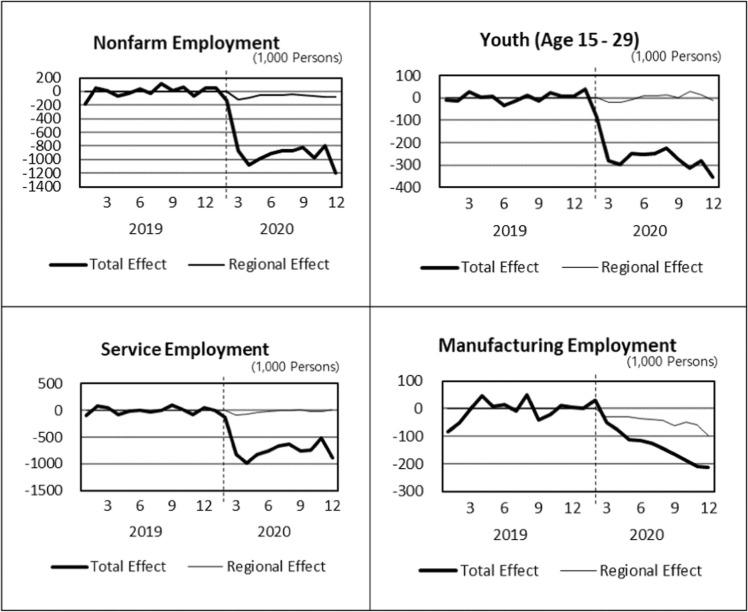
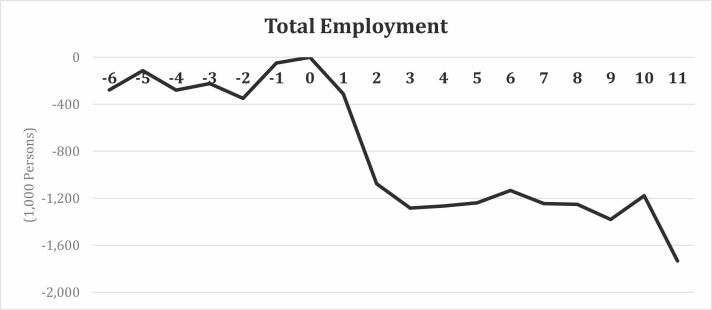
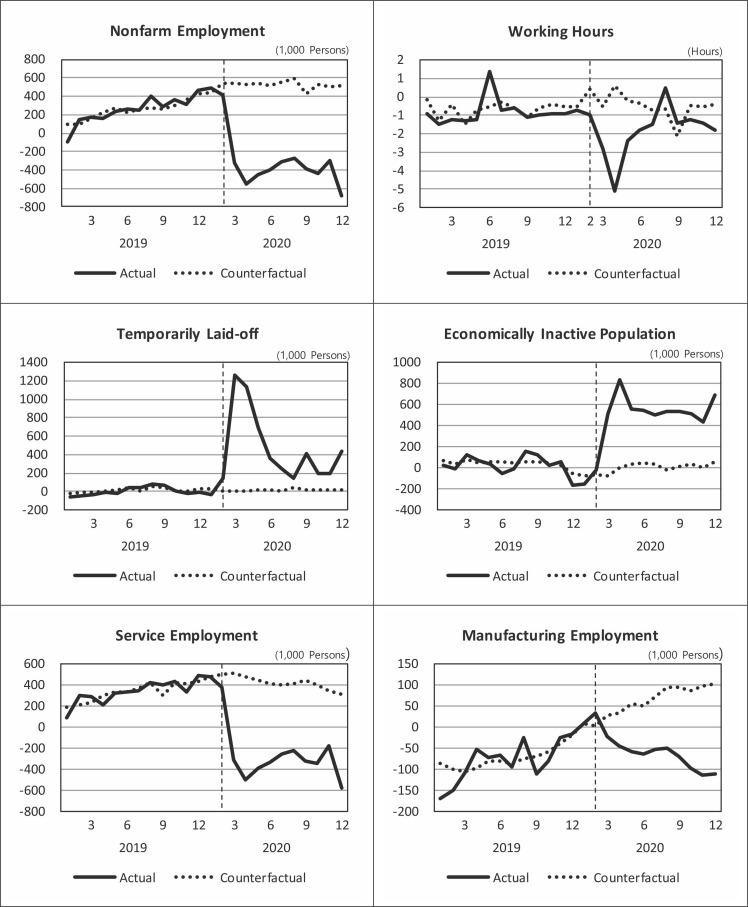
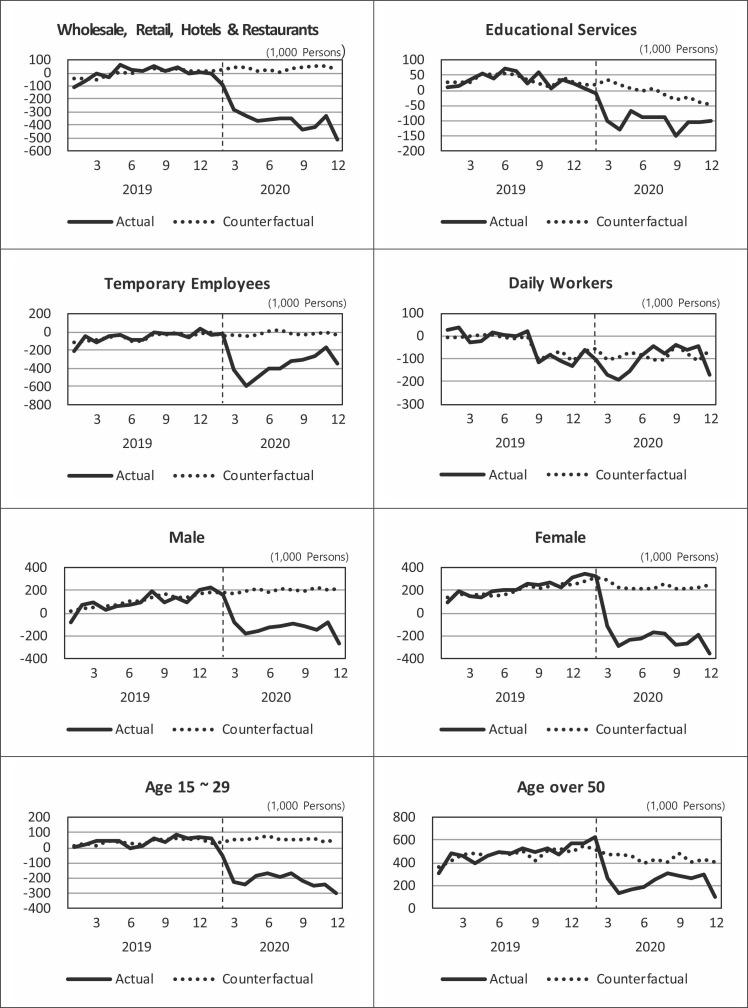
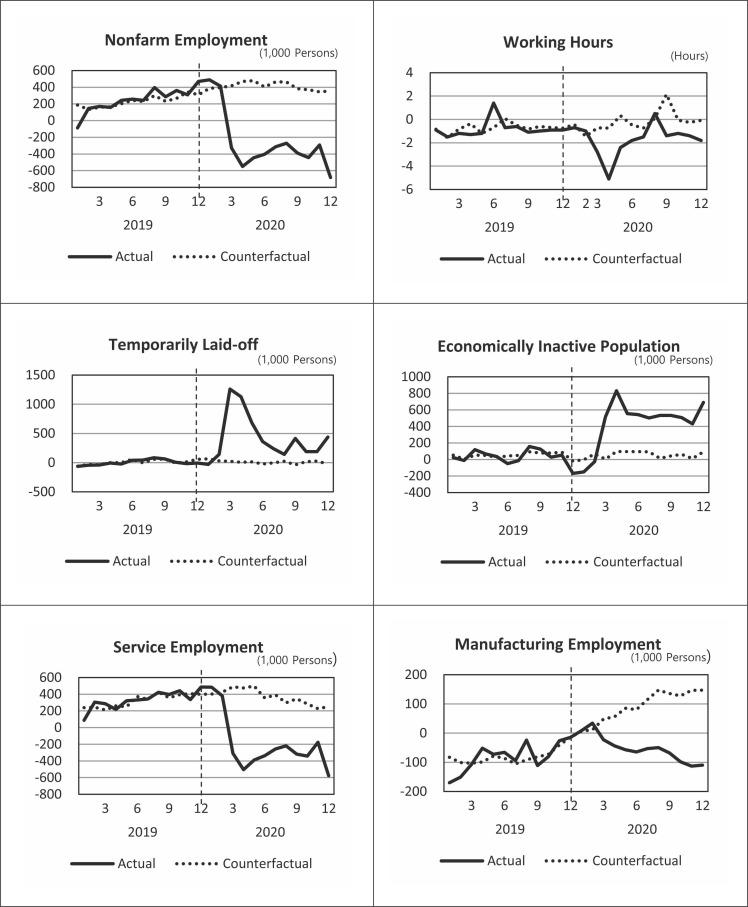
Using two complementary approaches, this study examines the deterioration of the Korean labor market during the first 10 months of the global COVID-19 pandemic. Applying the synthetic control method, we first find that the COVID-19 outbreak has eliminated 1.1 million jobs (4.2% of nonfarm employment) nationwide in April 2020. However, a difference-in-differences approach shows that local variation in COVID-19 intensity, which captures the "regional" effect of the pandemic, explains only 9% of the national shock. The portion of the regional effect remains low until December. This is mainly because the nationwide fear and policies such as social distancing measures also have a "common" effect on local economies. Our findings suggest that the COVID-19 shock may last long in the labor market due to this common effect unless the risk of infection is completely eliminated.
本研究采用两种互补方法,考察了全球新冠疫情头10个月韩国劳动力市场的恶化情况。运用合成控制法,我们首先发现,2020年4月新冠疫情爆发在全国范围内导致110万个工作岗位流失(占非农就业的4.2%)。然而,差分法显示,新冠疫情强度的局部差异(体现了疫情的“区域”影响)仅解释了全国性冲击的9%。直到12月,区域影响的占比一直较低。这主要是因为全国性的恐惧情绪和诸如社交距离措施等政策也对地方经济产生了“共同”影响。我们的研究结果表明,由于这种共同影响,除非感染风险被完全消除,否则新冠疫情冲击在劳动力市场可能会持续很长时间。
 Zotero 插件