
小剂量硫代硫酸钠分次给药治疗腹膜透析患者钙化防御的疗效。
Success of small-dose fractionated sodium thiosulfate in the treatment of calciphylaxis in a peritoneal dialysis patient.
机构信息
Department of Nephrology, The First Affiliated Hospital of Soochow University, 899 Pinghai Road, Suzhou, 215008, Jiangsu, China.
出版信息
BMC Nephrol. 2022 Jan 3;23(1):4. doi: 10.1186/s12882-021-02648-9.
BACKGROUND
Calciphylaxis, or calcific uremic arteriolopathy (CUA), is a rare, fatal disorder of microvascular calcification and thrombosis that typically affects patients with end-stage renal disease (ESRD) receiving long-term dialysis. Fewer reports describe calciphylaxis in peritoneal dialysis patients than hemodialysis patients as per a literature review. To date, there are no clear guidelines for CUA diagnosis and treatment. While sodium thiosulfate (STS) has been increasingly used for treatment in recent years, there have also been reports of severe side effects. There is no uniform standard for its usage and dosage, especially for peritoneal dialysis patients.
CASE PRESENTATION
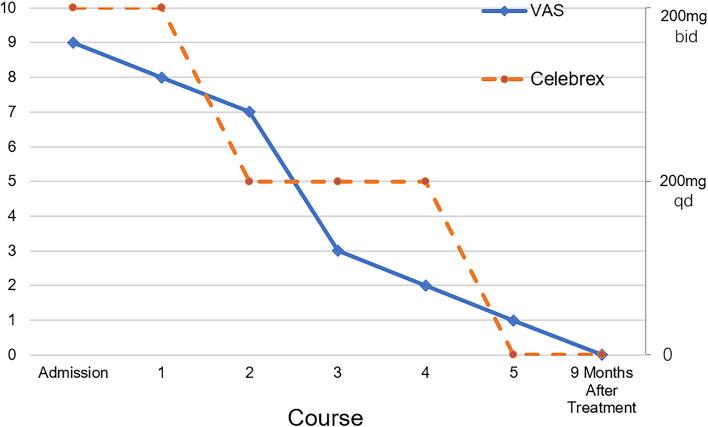
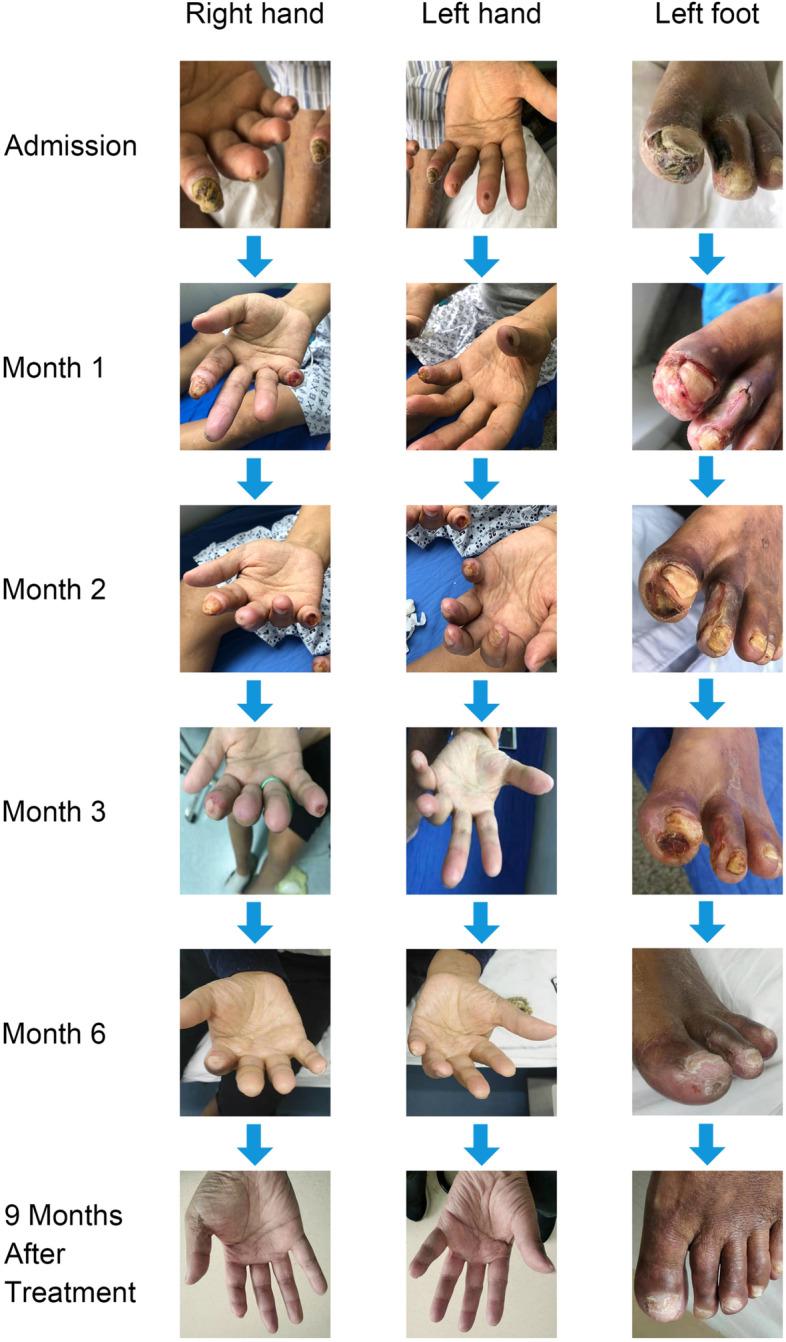
We present a case of a 40-year-old Chinese male patient with ESRD on peritoneal dialysis who developed calciphylaxis with severe painful cutaneous ulcers on the fingers and toes that were managed successfully for 6 months with comprehensive treatment composed mainly of small-dose fractionated sodium thiosulfate.
CONCLUSIONS
Our experience suggests that the treatment of calciphylaxis requires timely and multi-angle intervention. Treatment with small-dose fractionated sodium thiosulfate has proven effective and tolerated in this patient.
背景
钙化防御,又称钙化尿毒症性小动脉病(CUA),是一种罕见的致命性微血管钙化和血栓形成疾病,通常影响接受长期透析的终末期肾病(ESRD)患者。根据文献回顾,与血液透析患者相比,较少有报告描述腹膜透析患者发生钙化防御。迄今为止,CUA 的诊断和治疗尚无明确指南。近年来,硫代硫酸钠(STS)越来越多地用于治疗,但也有严重副作用的报道。其使用和剂量没有统一标准,尤其是对于腹膜透析患者。
病例介绍
我们报告了一例 40 岁的中国男性 ESRD 腹膜透析患者,他出现钙化防御,手指和脚趾有严重疼痛性皮肤溃疡,经过 6 个月的综合治疗,主要采用小剂量分段硫代硫酸钠治疗,取得了成功。
结论
我们的经验表明,钙化防御的治疗需要及时和多角度的干预。该患者采用小剂量分段硫代硫酸钠治疗效果良好且耐受良好。
 Zotero 插件