
衔接蛋白在细胞功能中的作用。
The role of junctophilin proteins in cellular function.
机构信息
Cellular Biophysics and Translational Cardiology Section, Heart Research Center Göttingen, University Medical Center Göttingen, Georg-August University Göttingen, Göttingen, Germany.
Department of Cardiology and Pneumology, University Medical Center Göttingen, Georg-August University Göttingen, Göttingen, Germany.
出版信息
Physiol Rev. 2022 Jul 1;102(3):1211-1261. doi: 10.1152/physrev.00024.2021. Epub 2022 Jan 10.
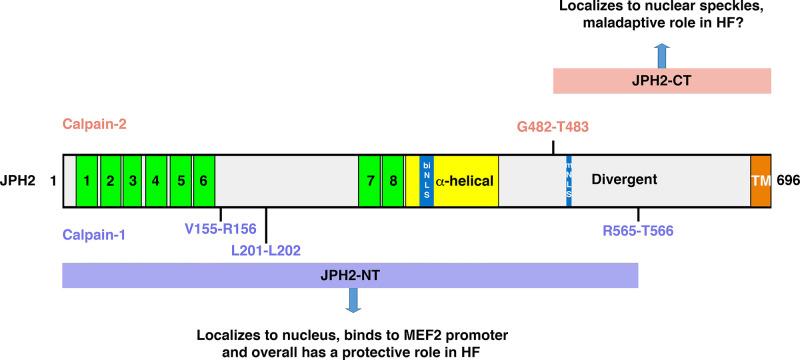
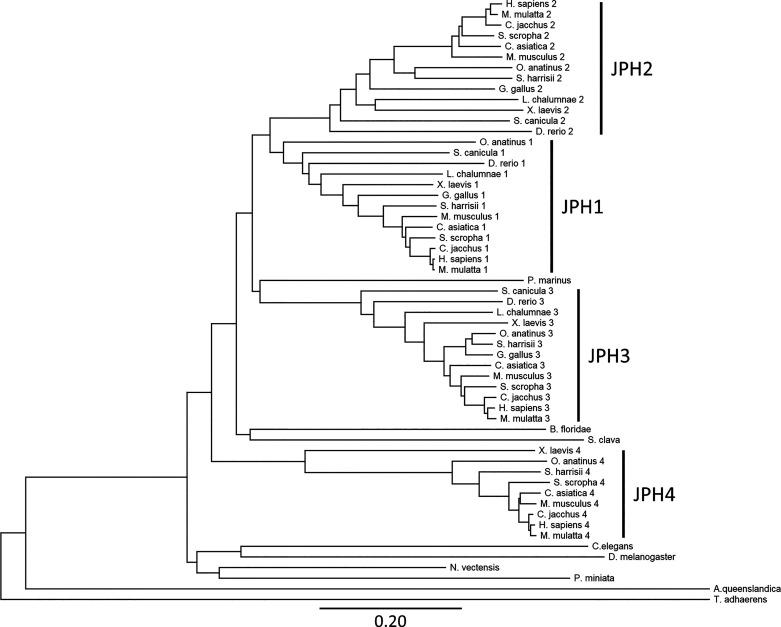
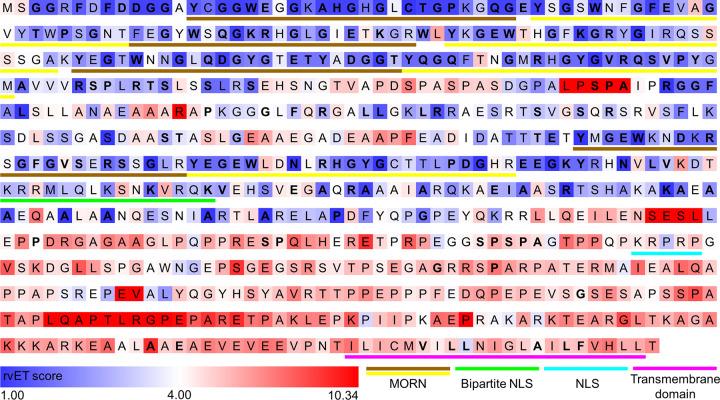
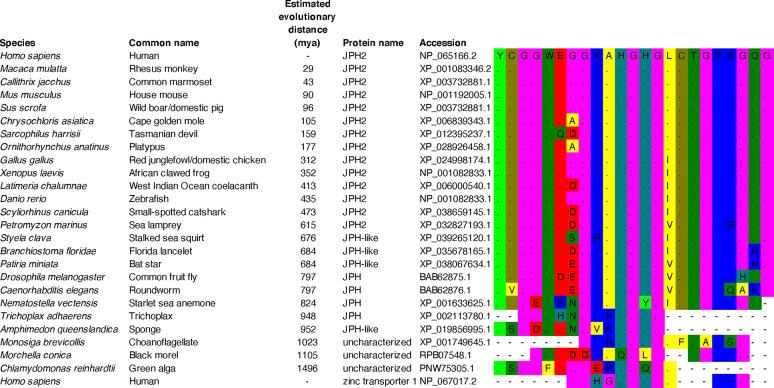
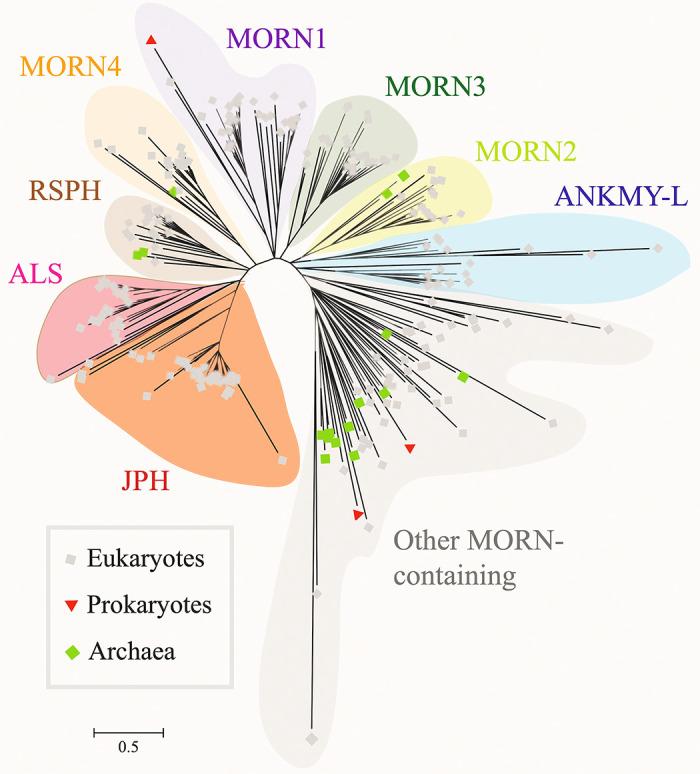
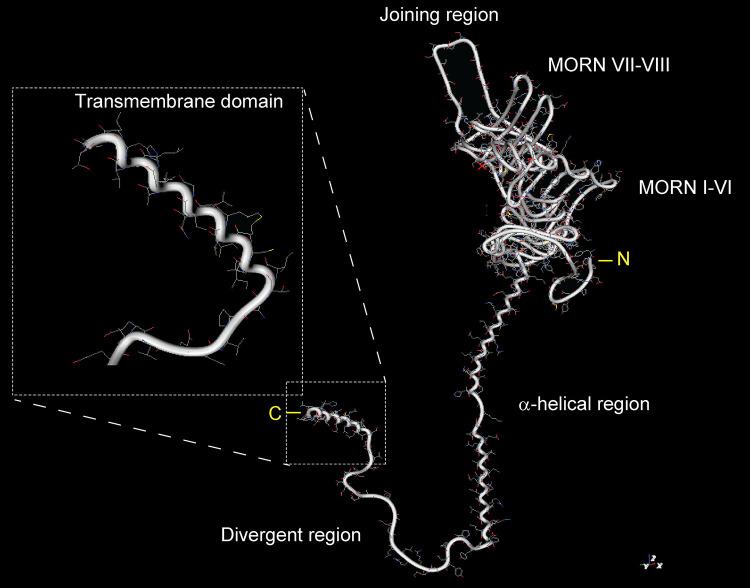
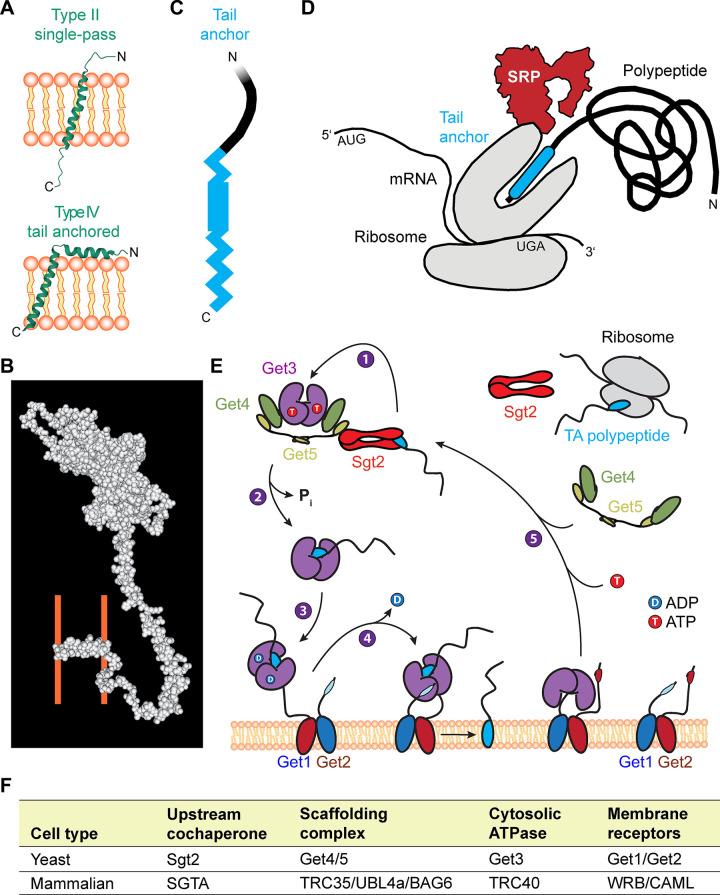
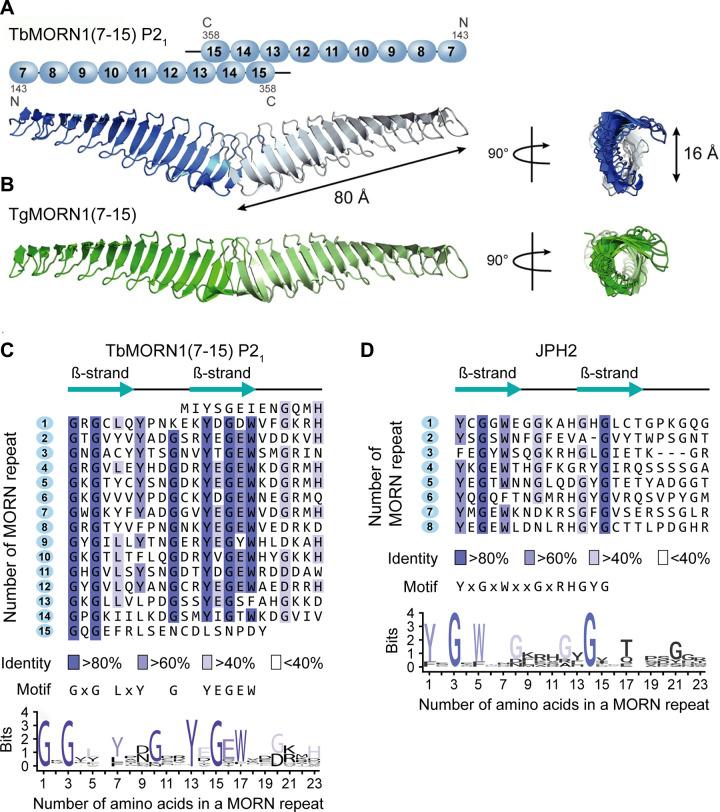
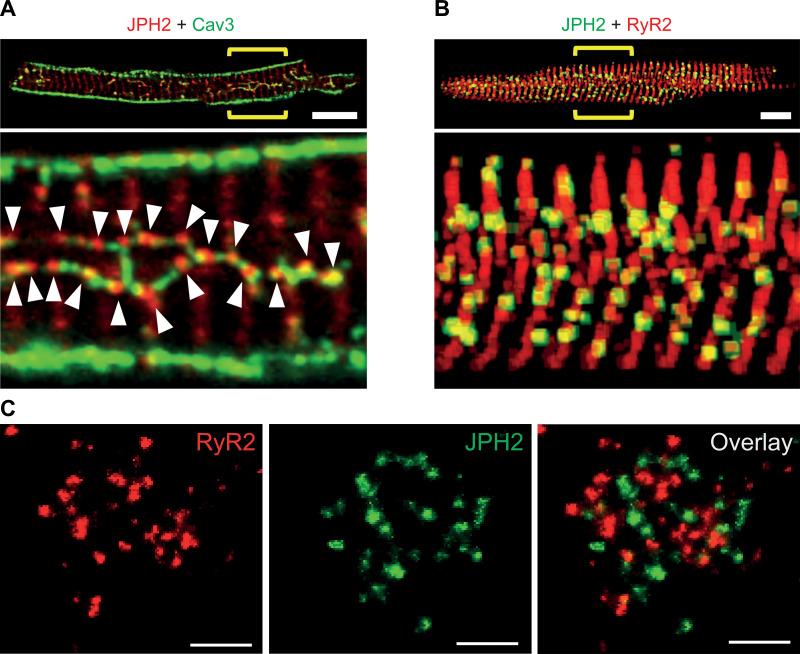
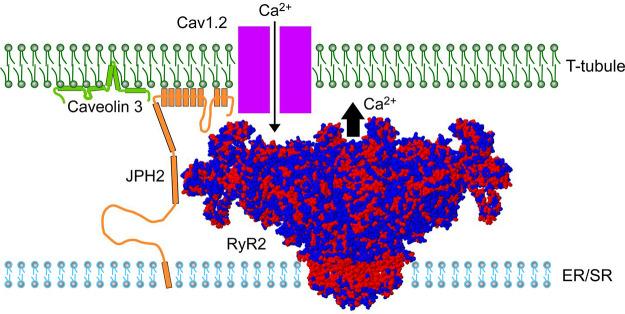
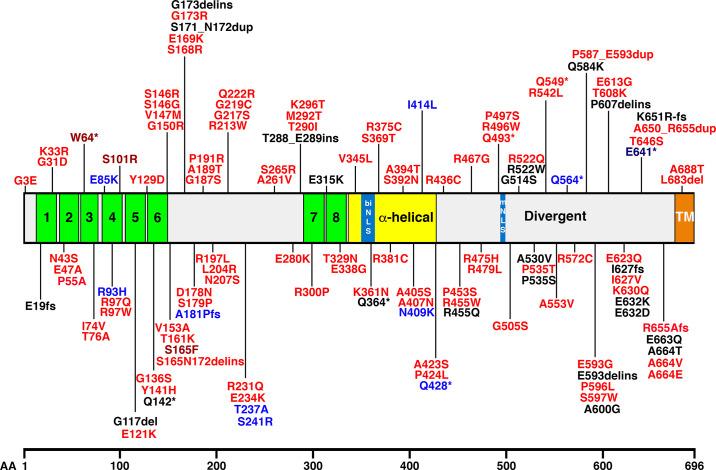
Junctophilins (JPHs) comprise a family of structural proteins that connect the plasma membrane to intracellular organelles such as the endo/sarcoplasmic reticulum (ER/SR). Tethering of these membrane structures results in the formation of highly organized subcellular junctions that play important signaling roles in all excitable cell types. There are four JPH isoforms, expressed primarily in muscle and neuronal cell types. Each JPH protein consists of six membrane occupation and recognition nexus (MORN) motifs, a joining region connecting these to another set of two MORN motifs, a putative alpha-helical region, a divergent region exhibiting low homology between JPH isoforms, and a carboxy-terminal transmembrane region anchoring into the ER/SR membrane. JPH isoforms play essential roles in developing and maintaining subcellular membrane junctions. Conversely, inherited mutations in JPH2 cause hypertrophic or dilated cardiomyopathy, while trinucleotide expansions in the JPH3 gene cause Huntington Disease-Like 2. Loss of JPH1 protein levels can cause skeletal myopathy, while loss of cardiac JPH2 levels causes heart failure and atrial fibrillation, among other disease. This review will provide a comprehensive overview of the JPH gene family, phylogeny, and evolutionary analysis of JPH genes and other MORN domain proteins. JPH biogenesis, membrane tethering, and binding partners will be discussed, as well as functional roles of JPH isoforms in excitable cells. Finally, potential roles of JPH isoform deficits in human disease pathogenesis will be reviewed.
连接蛋白(Junctophilins,JPHs)构成了一个连接质膜和细胞内细胞器(如内质网/肌浆网)的结构蛋白家族。这些膜结构的连接导致高度组织化的亚细胞连接的形成,在所有可兴奋细胞类型中发挥重要的信号作用。有四种 JPH 同工型,主要在肌肉和神经元细胞类型中表达。每个 JPH 蛋白由六个膜占领和识别连接(MORN)基序组成,一个连接区域将这些与另一组两个 MORN 基序连接起来,一个假定的α螺旋区,一个在 JPH 同工型之间表现出低同源性的发散区,以及一个羧基末端跨膜区锚定在内质网/肌浆网膜上。JPH 同工型在发育和维持亚细胞膜连接中发挥重要作用。相反,JPH2 的遗传突变导致肥厚性或扩张型心肌病,而 JPH3 基因的三核苷酸扩展导致亨廷顿病样 2。JPH1 蛋白水平的丧失可导致骨骼肌病,而心脏 JPH2 水平的丧失可导致心力衰竭和心房颤动等疾病。这篇综述将全面概述 JPH 基因家族、JPH 基因和其他 MORN 结构域蛋白的系统发育和进化分析。将讨论 JPH 的生物发生、膜连接和结合伙伴,以及 JPH 同工型在可兴奋细胞中的功能作用。最后,将综述 JPH 同工型缺陷在人类疾病发病机制中的潜在作用。




 Zotero 插件