
利用分子对接和动力学模拟研究不同形态的铜金属纳米颗粒对严重急性呼吸综合征冠状病毒2(SARS-CoV-2)主要蛋白酶和刺突糖蛋白的抑制作用。
Investigation of Cu metal nanoparticles with different morphologies to inhibit SARS-CoV-2 main protease and spike glycoprotein using Molecular Docking and Dynamics Simulation.
作者信息
Aallaei Mohammadreza, Molaakbari Elaheh, Mostafavi Paridokht, Salarizadeh Navvabeh, Maleksah Rahime Eshaghi, Afzali Dariush
机构信息
Department of Chemistry, Faculty of Science, Imam Hossein University, Tehran, Iran.
Department of Chemistry, Shahid Bahonar University of Kerman, Kerman, Iran.
出版信息
J Mol Struct. 2022 Apr 5;1253:132301. doi: 10.1016/j.molstruc.2021.132301. Epub 2021 Dec 31.
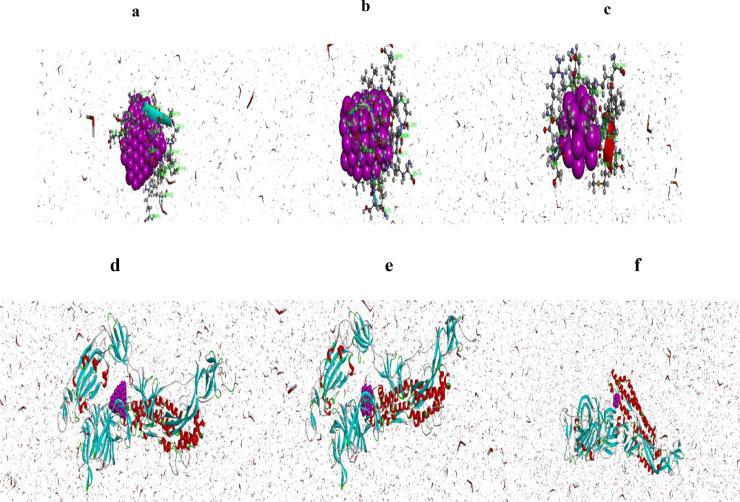
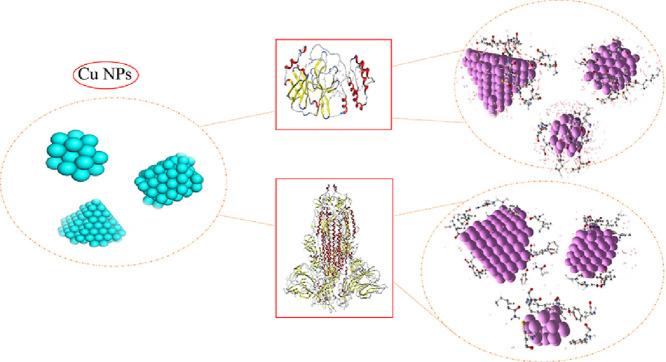
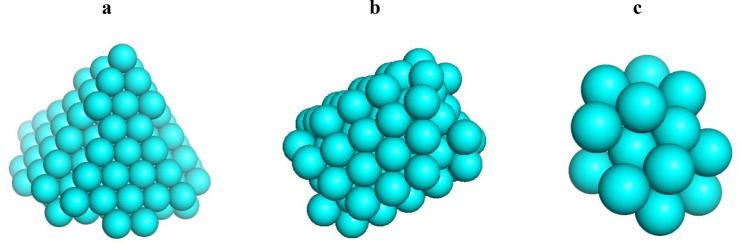
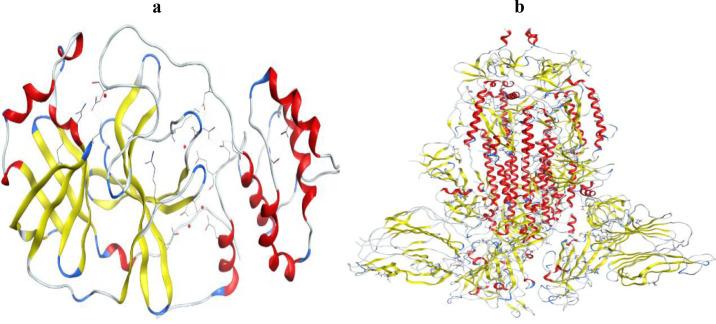
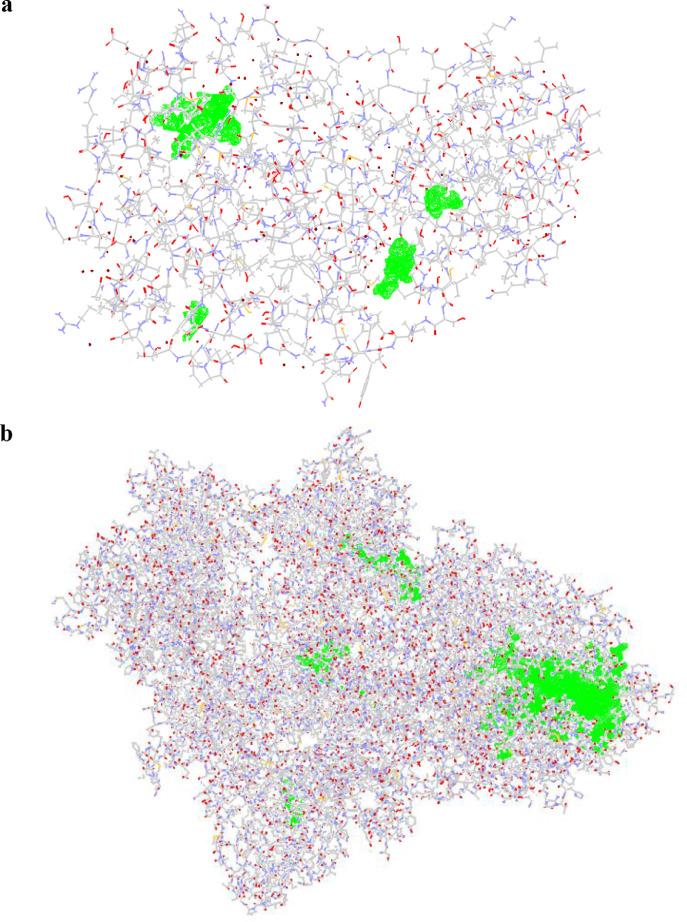
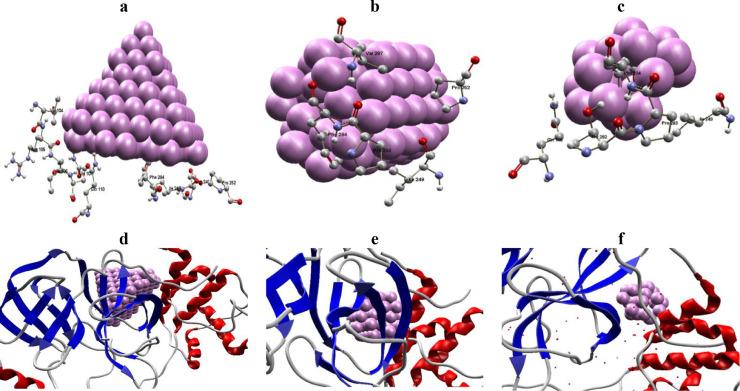
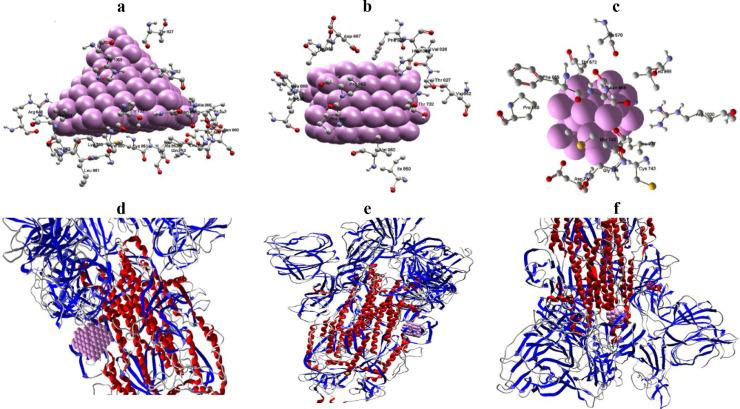
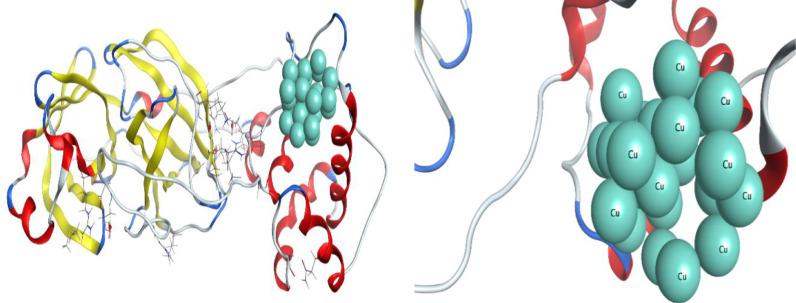
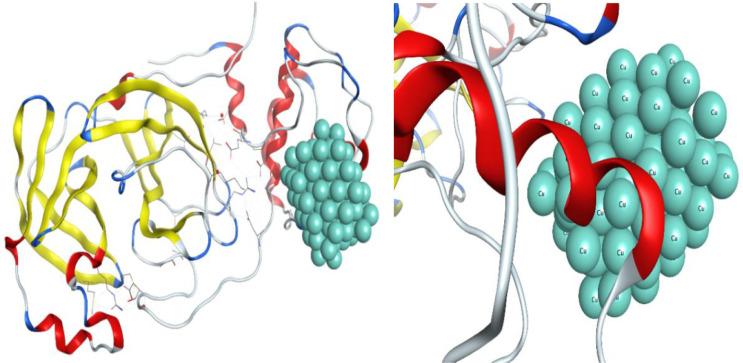
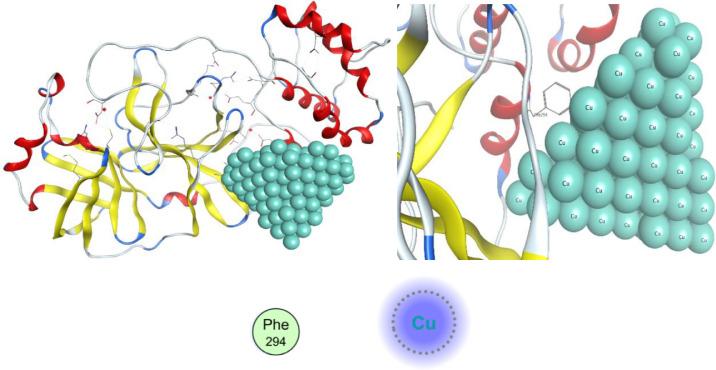
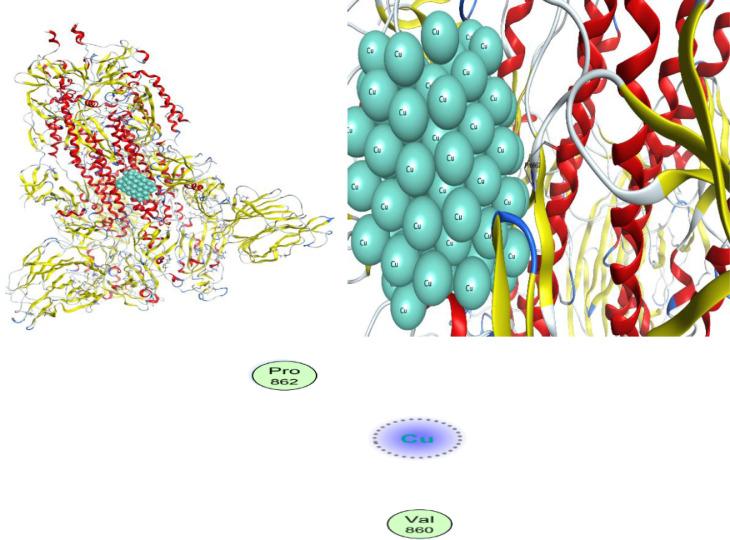
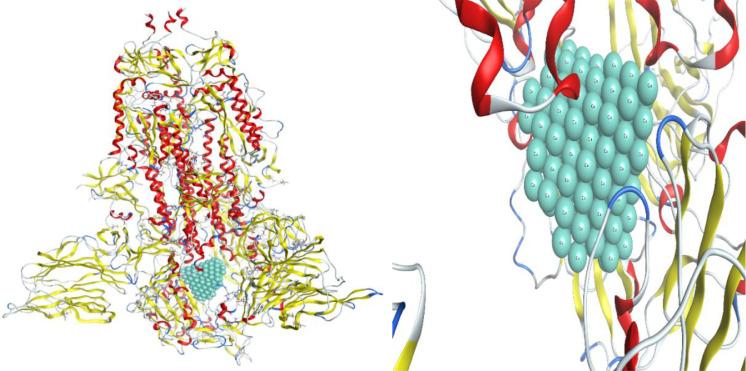
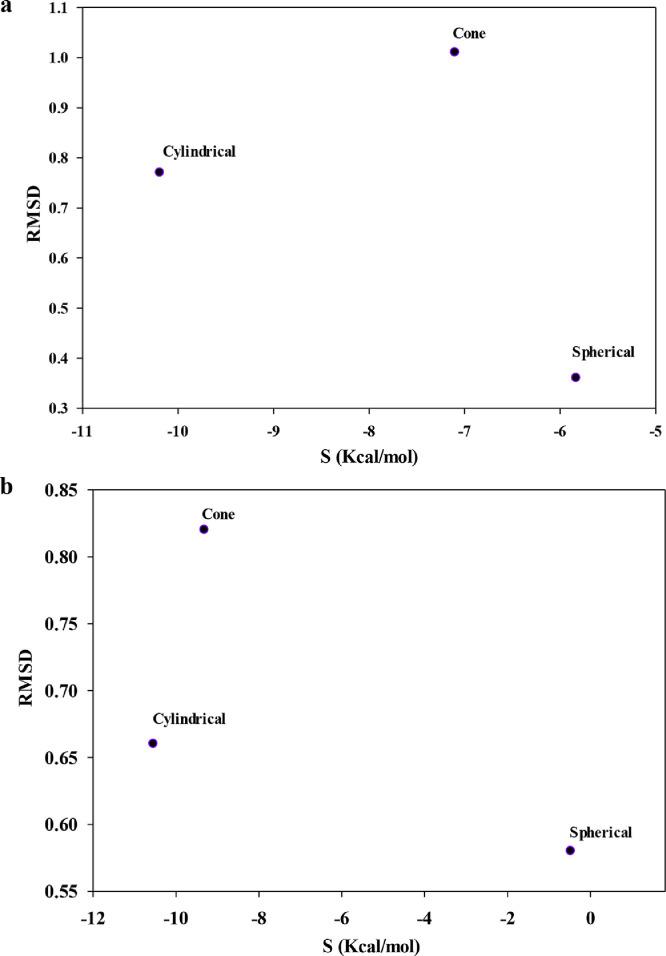
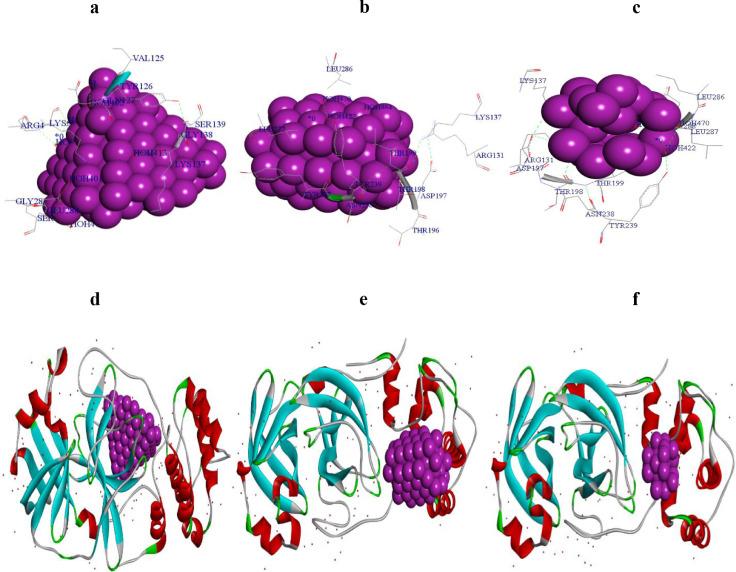
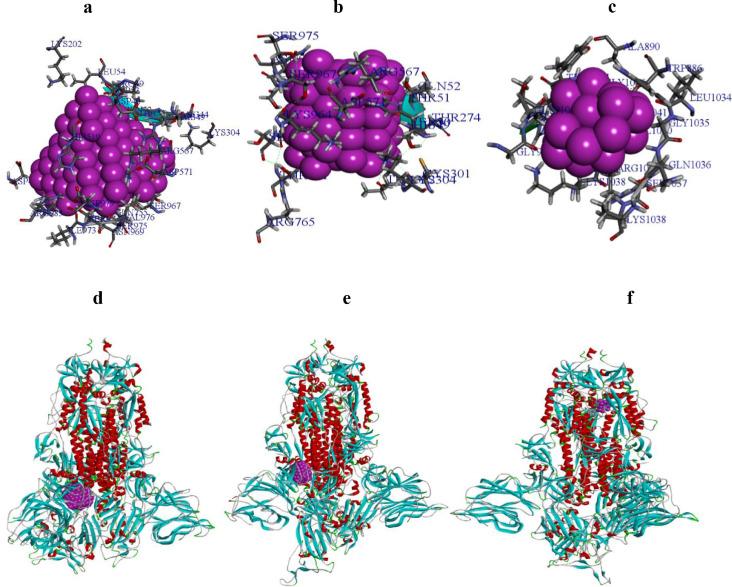
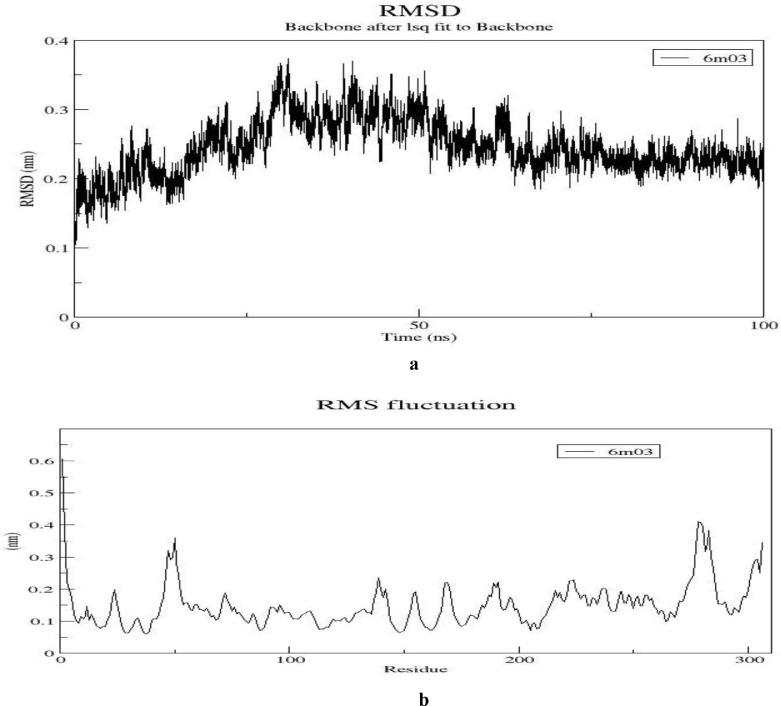
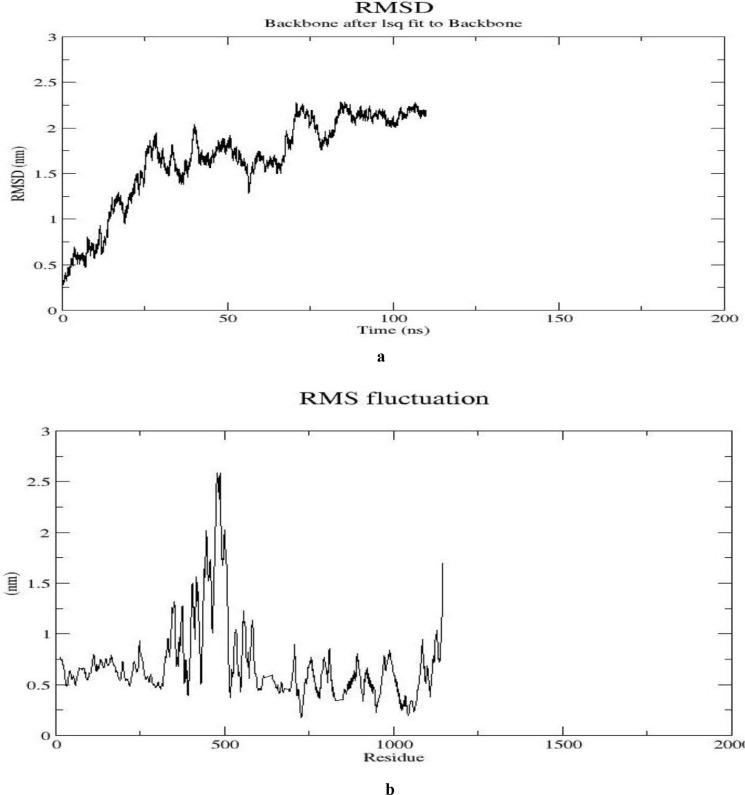
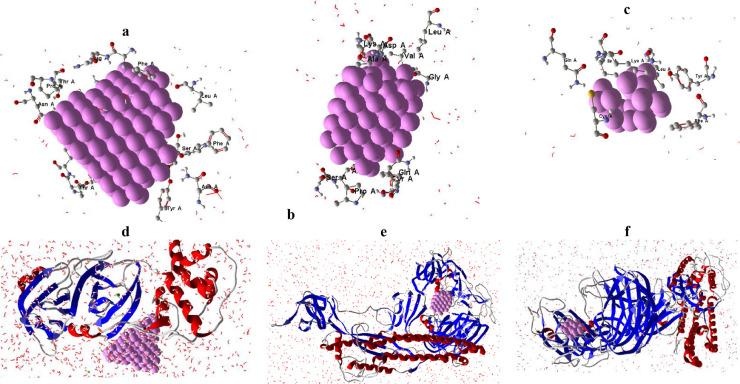
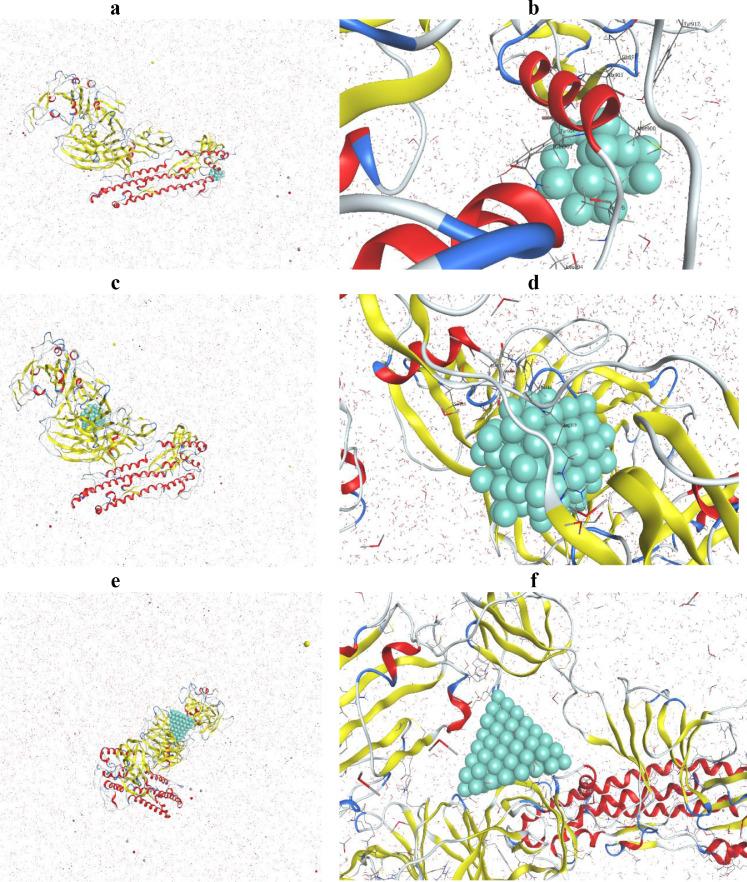
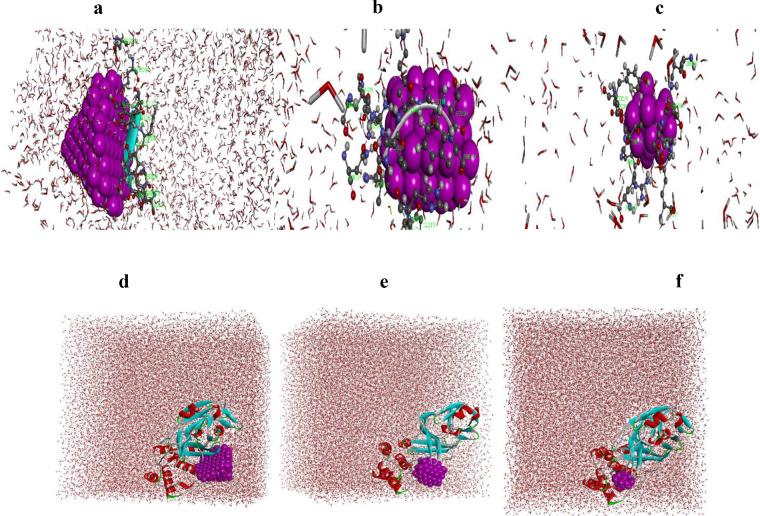
Nowadays, considering the spread of the coronavirus as a global threat, scientific research on this virus through simulation has been increasing. In this study, effect of Cu nanocluster on prevention and control of disease transmission was examined using molecular docking and molecular dynamics simulation studies on the SARS-CoV-2 main protease and spike glycoprotein. The cytotoxicity of different shapes of copper NPs and resonance changes of their surface plasmons on inactivation of the coronavirus was examined in order to control replication of coronavirus through copper NPs, active site of protease and spike glycoprotein. The simulations results showed that interactions of SARS-CoV-2 main protease and spike glycoprotein target and cylindrical and conical copper NPs ligands were more efficient than spherical copper NPs.
如今,鉴于冠状病毒的传播已成为全球威胁,通过模拟对该病毒进行的科学研究不断增加。在本研究中,利用对严重急性呼吸综合征冠状病毒2(SARS-CoV-2)主要蛋白酶和刺突糖蛋白的分子对接和分子动力学模拟研究,考察了铜纳米团簇对疾病传播防控的作用。为了通过铜纳米颗粒、蛋白酶活性位点和刺突糖蛋白来控制冠状病毒的复制,研究了不同形状的铜纳米颗粒的细胞毒性及其表面等离子体激元的共振变化对冠状病毒灭活的影响。模拟结果表明,SARS-CoV-2主要蛋白酶和刺突糖蛋白靶点与圆柱形和锥形铜纳米颗粒配体的相互作用比球形铜纳米颗粒更有效。





 Zotero 插件