
空中阶段在跳台滑雪中的运动学测定。
Kinematic Determination of the Aerial Phase in Ski Jumping.
机构信息
Department of Civil and Environmental Engineering, Norwegian University of Science and Technology, 7491 Trondheim, Norway.
Norwegian Olympic and Paralympic Committee and Confederation of Sports, 0863 Oslo, Norway.
出版信息
Sensors (Basel). 2022 Jan 11;22(2):540. doi: 10.3390/s22020540.
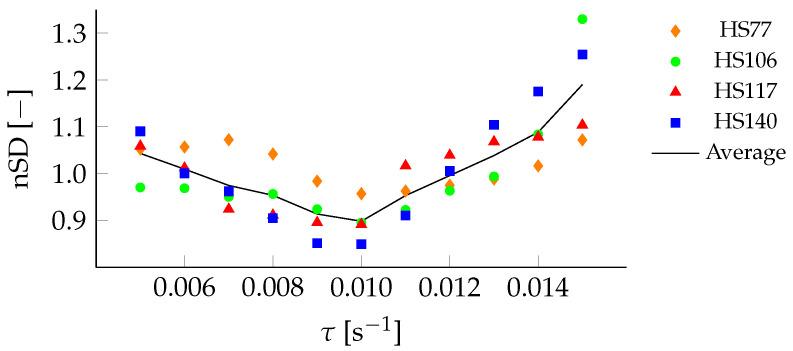
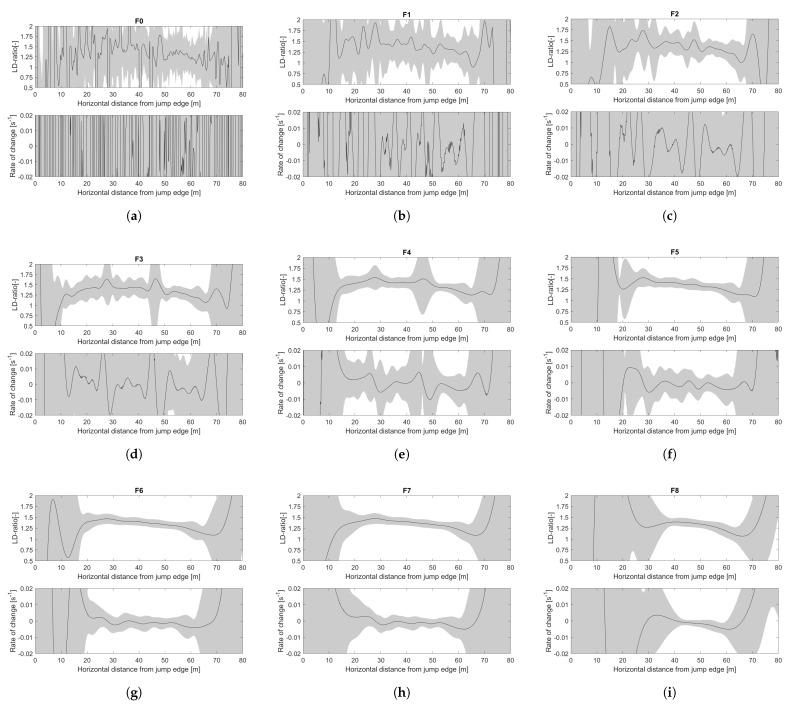
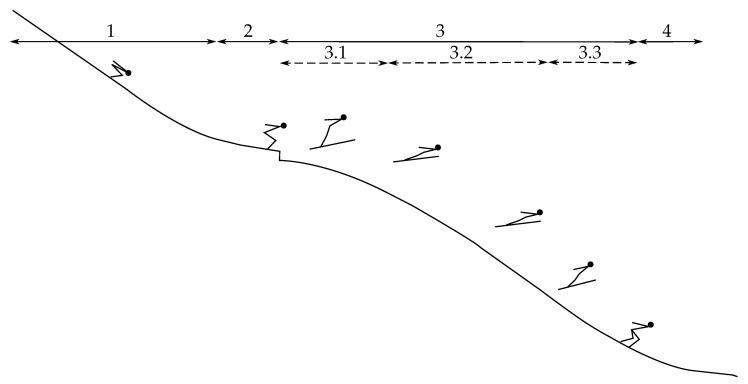
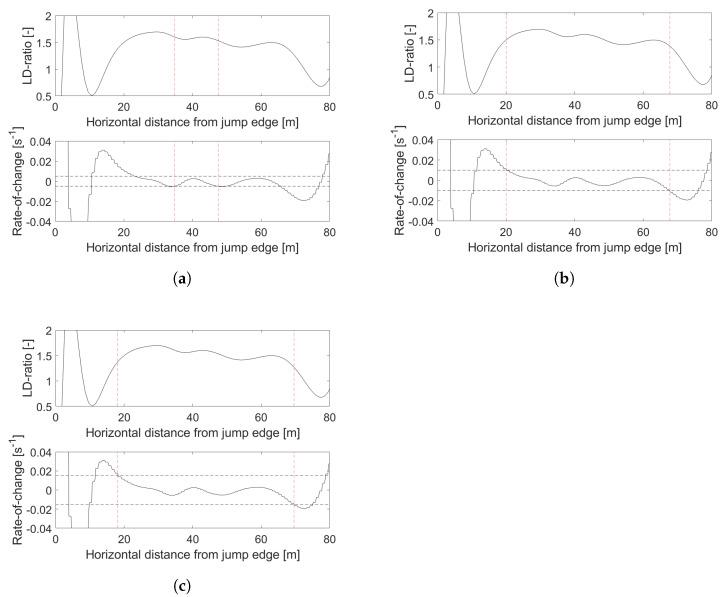
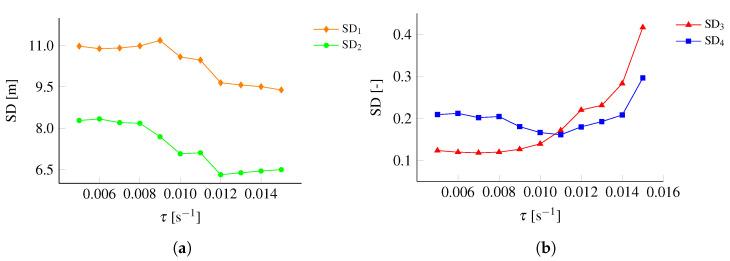
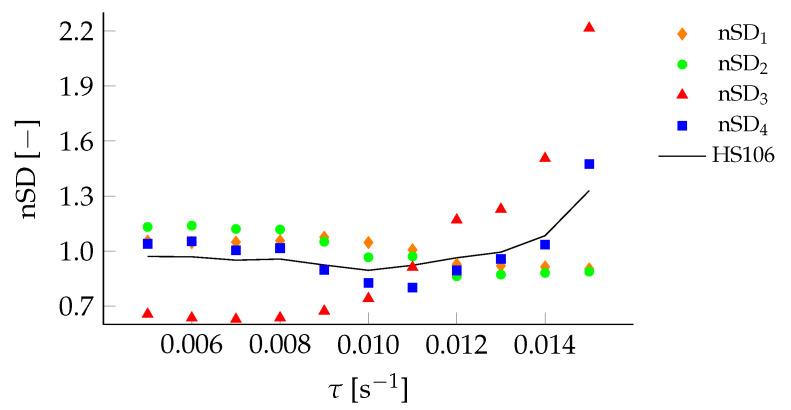
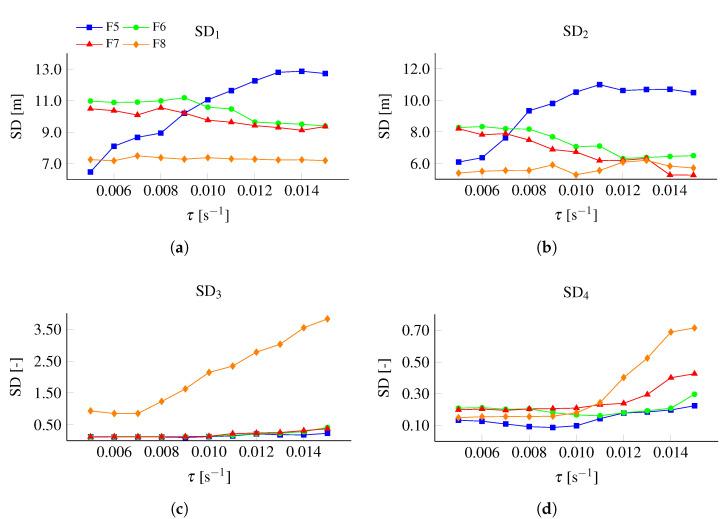
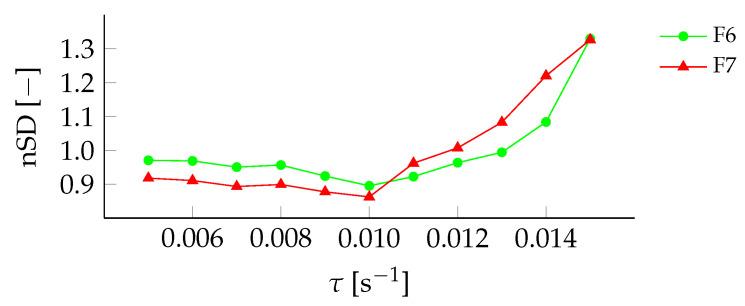
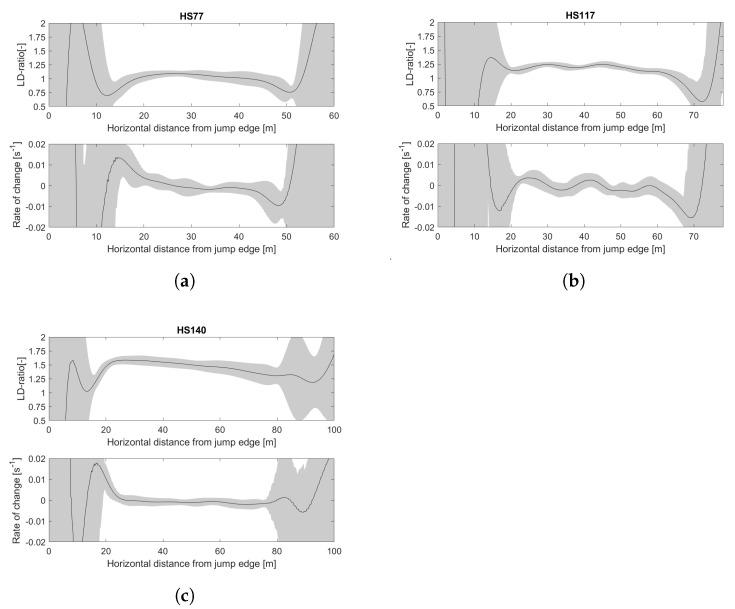
The purpose of this study was to find a generic method to determine the aerial phase of ski jumping in which the athlete is in a steady gliding condition, commonly known as the 'stable flight' phase. The aerial phase of ski jumping was investigated from a physical point mass, rather than an athlete-action-centered perspective. An extensive data collection using a differential Global Navigation Satellite System (dGNSS) was carried out in four different hill sizes. A total of 93 jumps performed by 19 athletes of performance level, ranging from junior to World Cup, were measured. Based on our analysis, we propose a generic algorithm that identifies the stable flight based on steady glide aerodynamic conditions, independent of hill size and the performance level of the athletes. The steady gliding is defined as the condition in which the rate-of-change in the lift-to-drag-ratio (LD-ratio) varies within a narrow band-width described by a threshold τ. For this study using dGNSS, τ amounted to 0.01s, regardless of hill size and performance level. While the absolute value of τ may vary when measuring with other sensors, we argue that the methodology and algorithm proposed to find the start and end of a steady glide (stable flight) could be used in future studies as a generic definition and help clarify the communication of results and enable more precise comparisons between studies.
本研究旨在寻找一种通用方法来确定滑雪跳跃的空中阶段,在这个阶段,运动员处于稳定滑翔状态,通常被称为“稳定飞行”阶段。本研究从物理质点的角度而非运动员动作中心的角度来研究滑雪跳跃的空中阶段。通过差分全球导航卫星系统(dGNSS)进行了广泛的数据收集,在四个不同的坡度上进行了测量。共测量了 19 名表现水平从初级到世界杯的运动员进行的 93 次跳跃。根据我们的分析,我们提出了一种通用算法,该算法基于稳定滑翔空气动力学条件识别稳定飞行,与坡度大小和运动员的表现水平无关。稳定滑翔是指升阻比(LD 比)的变化率在由阈值 τ 描述的窄带宽内变化的条件。对于本研究中使用的 dGNSS,τ 为 0.01s,与坡度大小和表现水平无关。虽然在使用其他传感器进行测量时,τ 的绝对值可能会有所变化,但我们认为,用于找到稳定滑翔(稳定飞行)起点和终点的方法和算法可以作为通用定义用于未来的研究中,有助于澄清结果的交流并促进研究之间更精确的比较。

 Zotero 插件