
强化学习中的效价偏差在青春期发生转变,并调节随后的记忆。
Valence biases in reinforcement learning shift across adolescence and modulate subsequent memory.
机构信息
Department of Psychology, New York University, New York, United States.
Center for Neural Science, New York University, New York, United States.
出版信息
Elife. 2022 Jan 24;11:e64620. doi: 10.7554/eLife.64620.
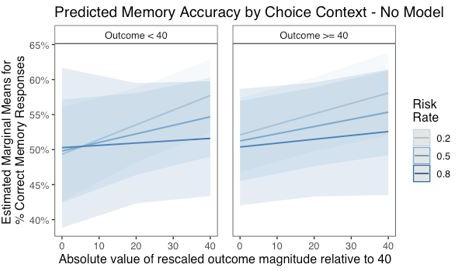
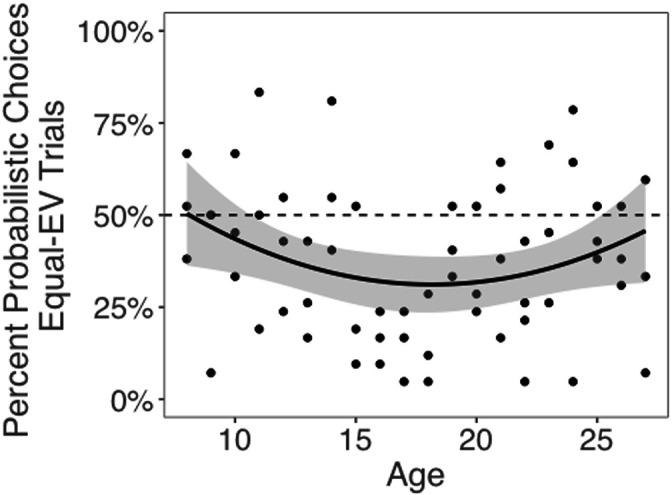
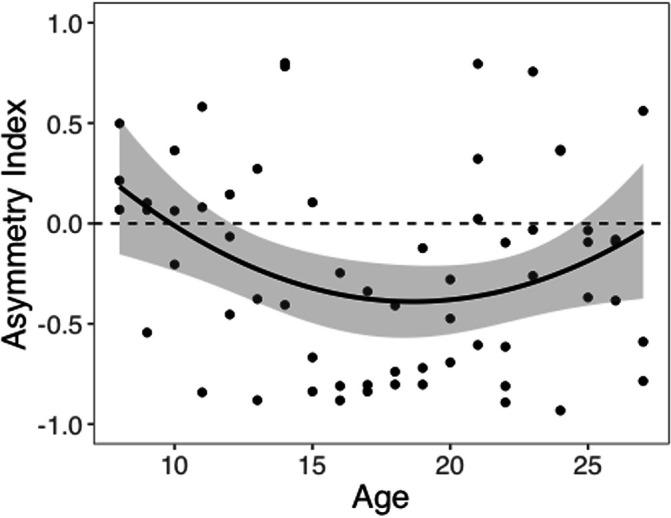
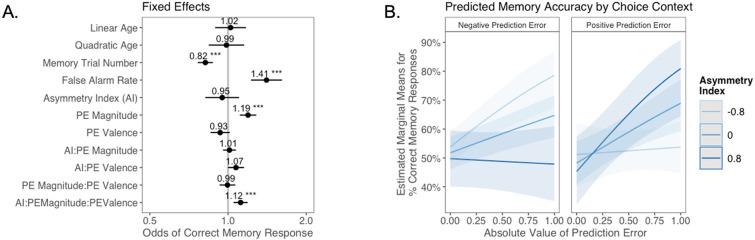
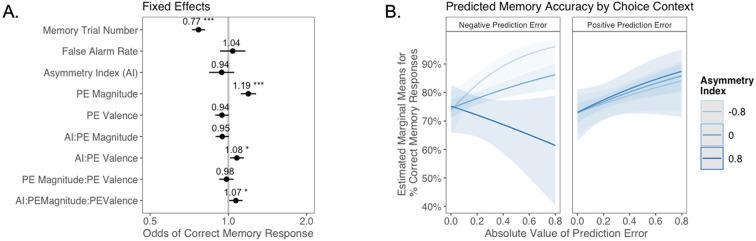
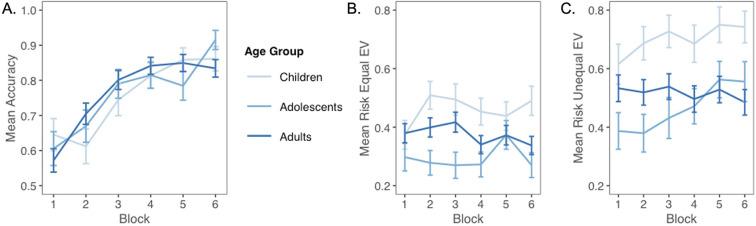
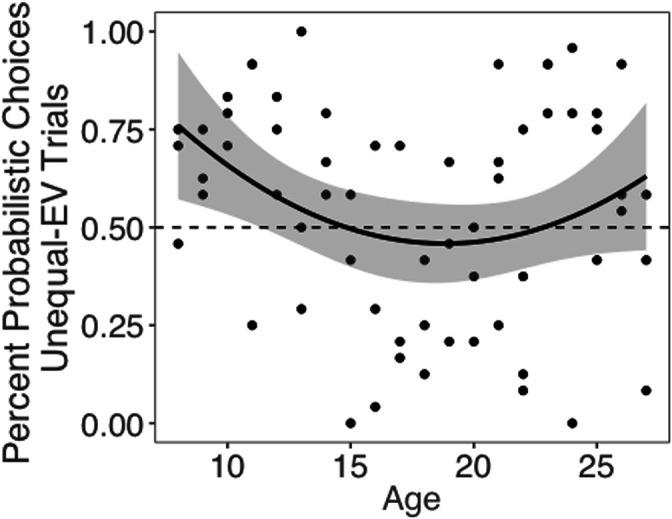
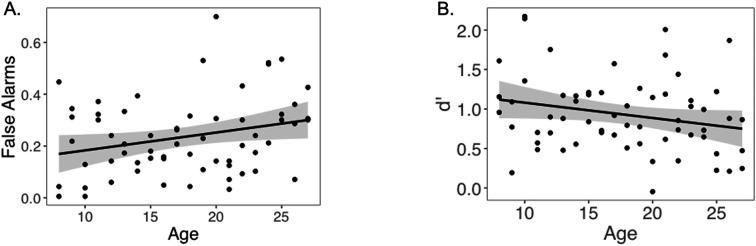
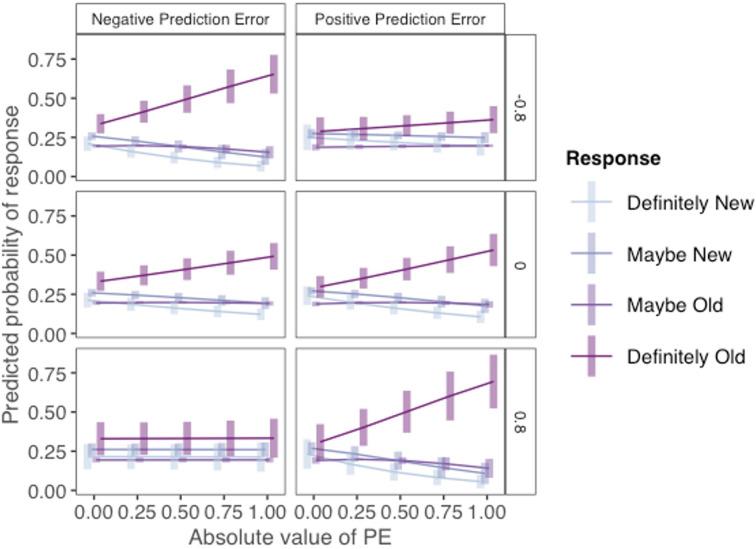
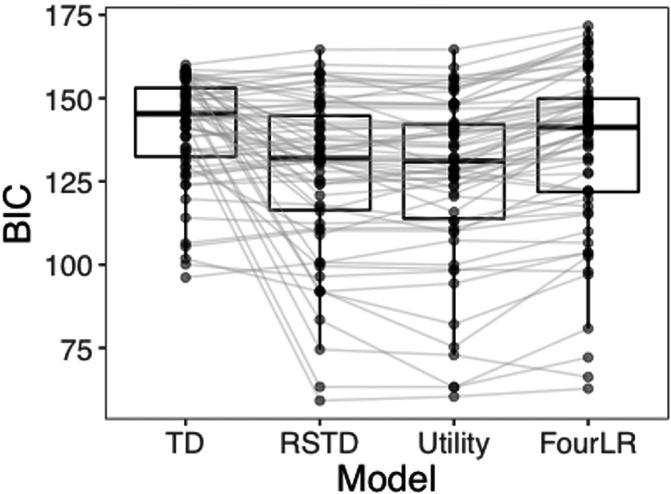
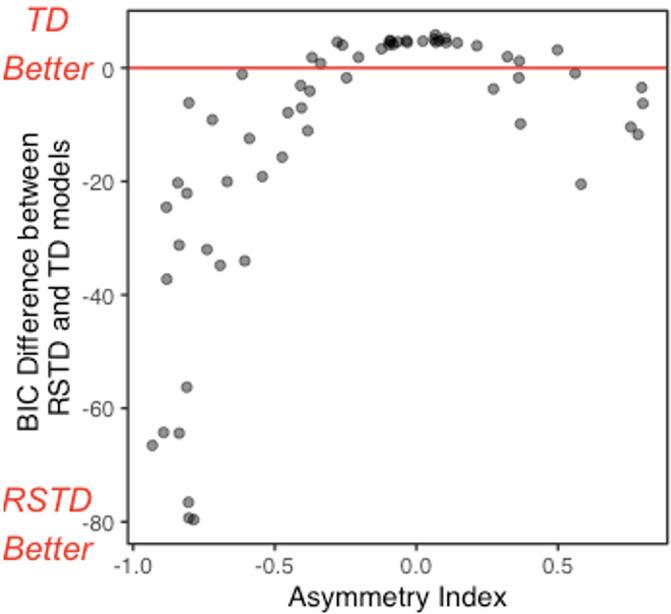
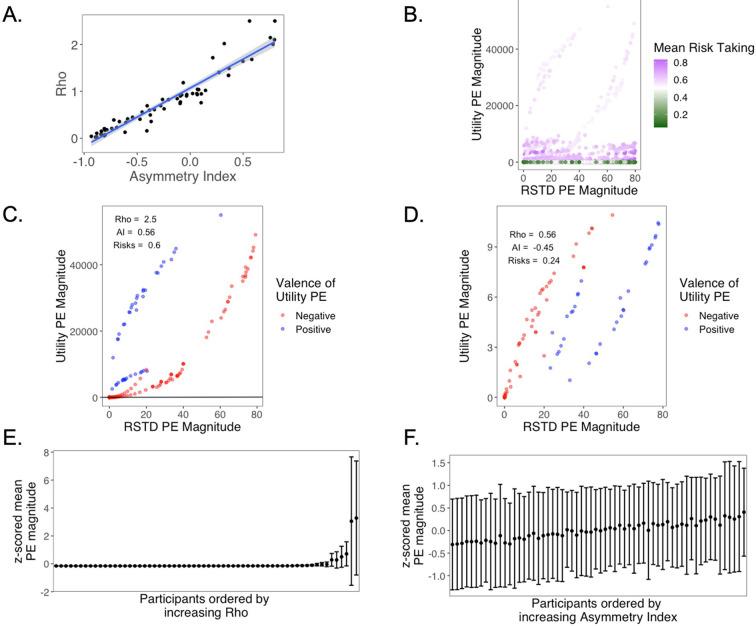
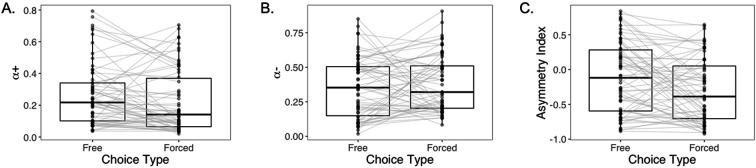
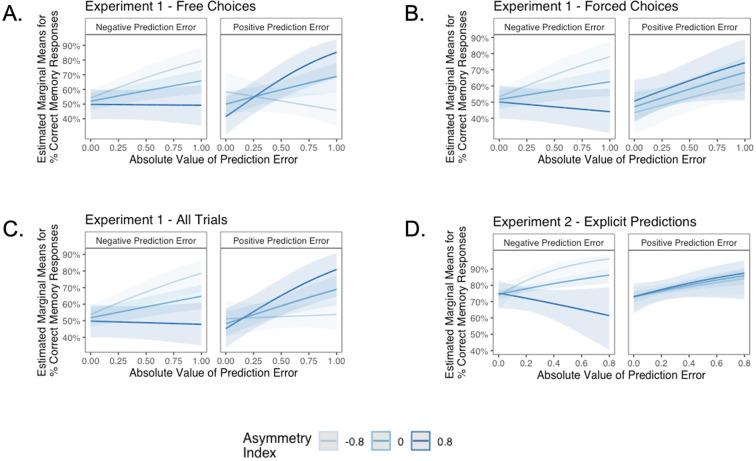
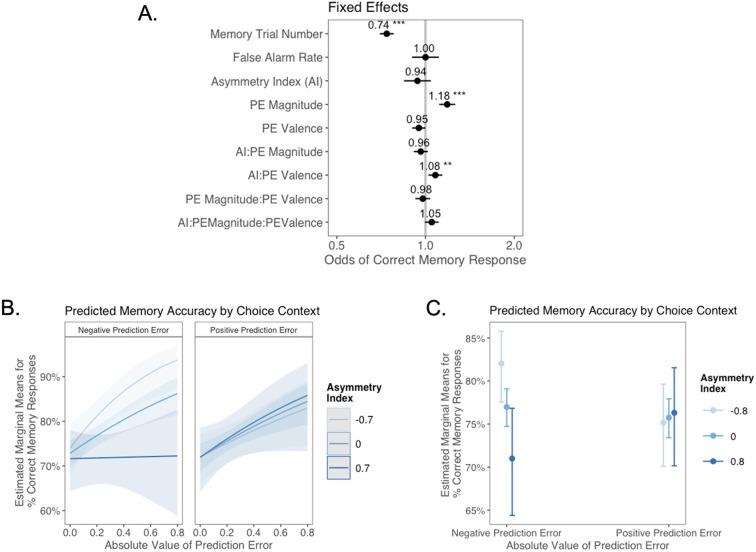
As individuals learn through trial and error, some are more influenced by good outcomes, while others weight bad outcomes more heavily. Such valence biases may also influence memory for past experiences. Here, we examined whether valence asymmetries in reinforcement learning change across adolescence, and whether individual learning asymmetries bias the content of subsequent memory. Participants ages 8-27 learned the values of 'point machines,' after which their memory for trial-unique images presented with choice outcomes was assessed. Relative to children and adults, adolescents overweighted worse-than-expected outcomes during learning. Individuals' valence biases modulated incidental memory, such that those who prioritized worse- (or better-) than-expected outcomes during learning were also more likely to remember images paired with these outcomes, an effect reproduced in an independent dataset. Collectively, these results highlight age-related changes in the computation of subjective value and demonstrate that a valence-asymmetric valuation process influences how information is prioritized in episodic memory.
当个体通过试错进行学习时,一些人更容易受到好结果的影响,而另一些人则更重视坏结果。这种效价偏差也可能影响对过去经验的记忆。在这里,我们研究了强化学习中的效价不对称性是否会随着青春期而变化,以及个体学习的不对称性是否会影响随后记忆的内容。参与者年龄在 8 到 27 岁之间,学习了“点机器”的价值,之后评估了他们对具有选择结果的独特试验图像的记忆。与儿童和成年人相比,青少年在学习过程中对劣于预期的结果给予了过高的重视。个体的效价偏差调节了偶然记忆,例如,在学习过程中优先考虑劣于(或优于)预期结果的人也更有可能记住与这些结果配对的图像,这一效应在一个独立的数据集上得到了重现。总的来说,这些结果强调了主观价值计算中的年龄相关变化,并表明效价不对称的估值过程影响了信息在情景记忆中的优先级。




 Zotero 插件