
底物转位沟中的亲水环境对于 YidC 膜插入酶的酶功能至关重要。
A hydrophilic microenvironment in the substrate-translocating groove of the YidC membrane insertase is essential for enzyme function.
机构信息
Department of Chemistry and Biochemistry, The Ohio State University, Columbus, Ohio, USA.
Department of Industrial and Applied Genomics, IBM AI and Cognitive Software Organization, IBM Almaden Research Center, San Jose, California, USA; NSF Center for Cellular Construction, University of California in San Francisco, San Francisco, California, USA.
出版信息
J Biol Chem. 2022 Mar;298(3):101690. doi: 10.1016/j.jbc.2022.101690. Epub 2022 Feb 9.
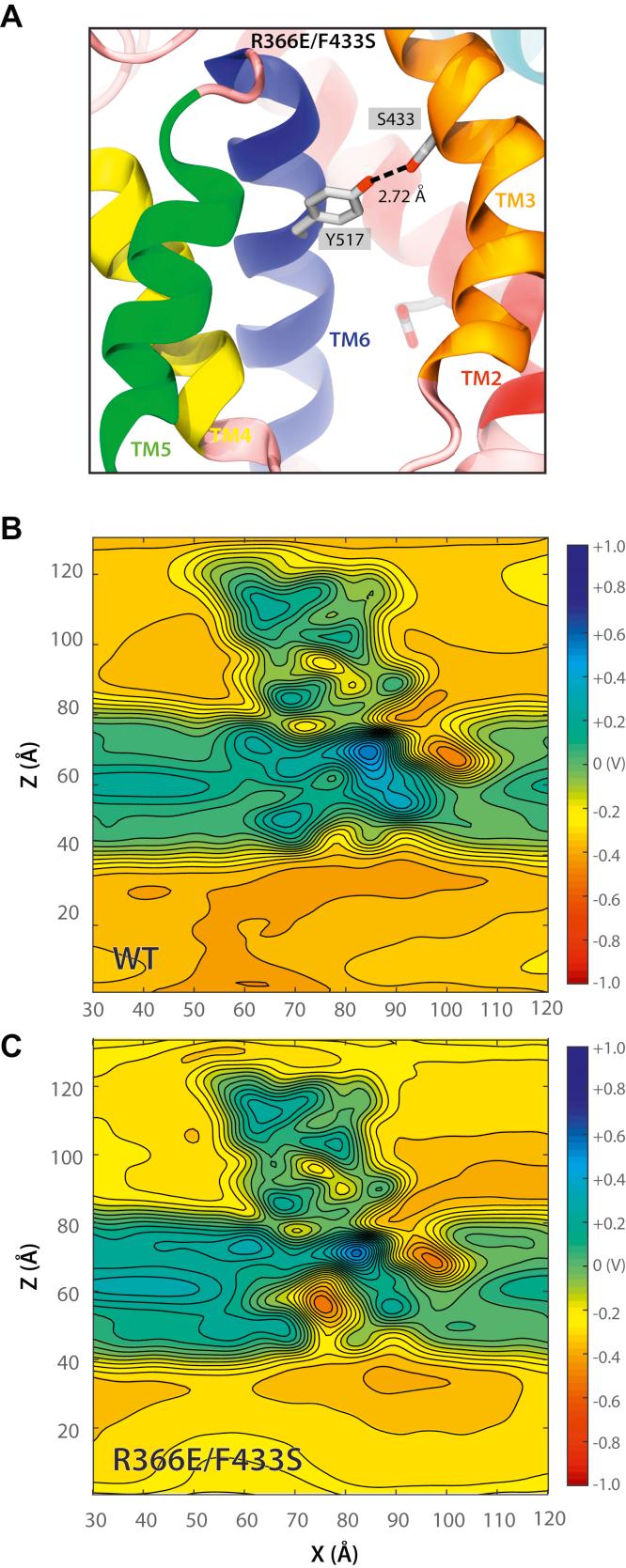
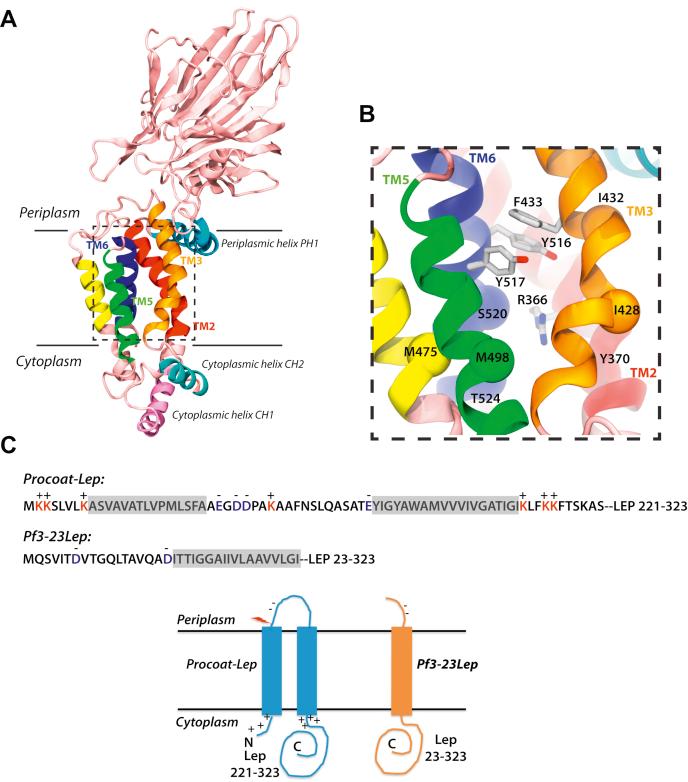
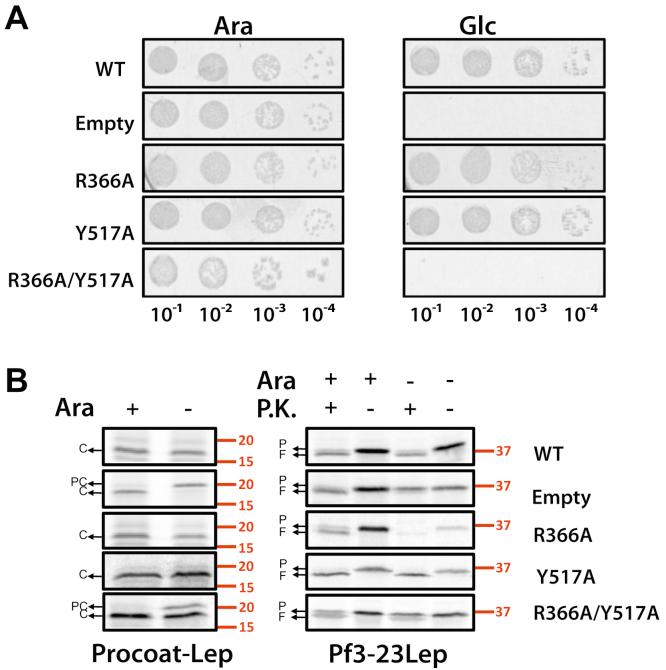
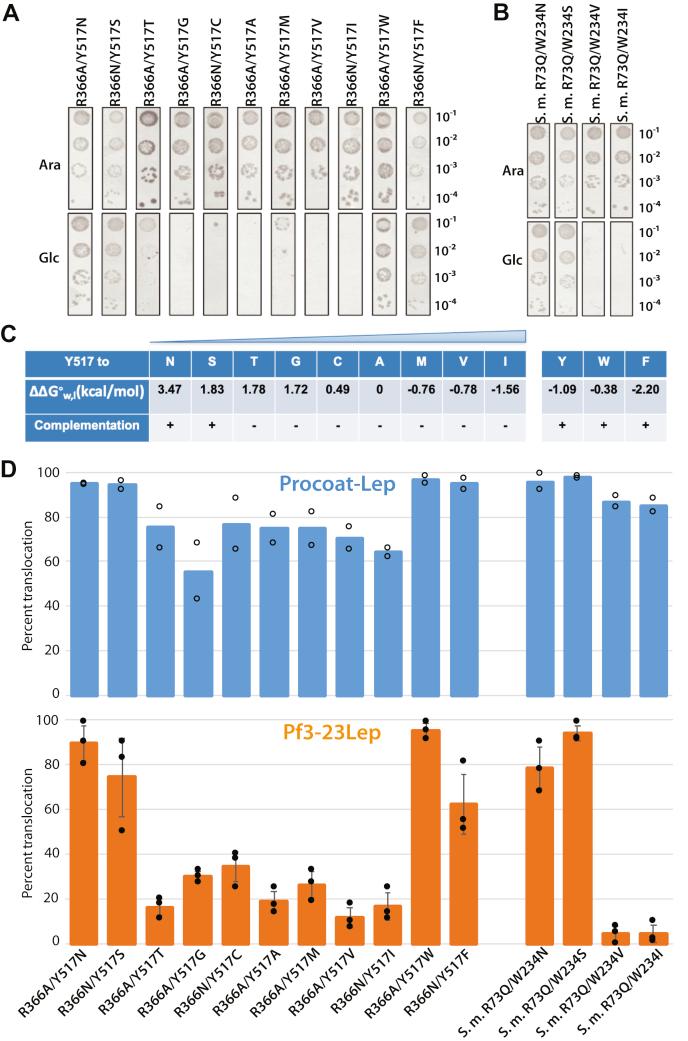
The YidC family of proteins are membrane insertases that catalyze the translocation of the periplasmic domain of membrane proteins via a hydrophilic groove located within the inner leaflet of the membrane. All homologs have a strictly conserved, positively charged residue in the center of this groove. In Bacillus subtilis, the positively charged residue has been proposed to be essential for interacting with negatively charged residues of the substrate, supporting a hypothesis that YidC catalyzes insertion via an early-step electrostatic attraction mechanism. Here, we provide data suggesting that the positively charged residue is important not for its charge but for increasing the hydrophilicity of the groove. We found that the positively charged residue is dispensable for Escherichia coli YidC function when an adjacent residue at position 517 was hydrophilic or aromatic, but was essential when the adjacent residue was apolar. Additionally, solvent accessibility studies support the idea that the conserved positively charged residue functions to keep the top and middle of the groove sufficiently hydrated. Moreover, we demonstrate that both the E. coli and Streptococcus mutans YidC homologs are functional when the strictly conserved arginine is replaced with a negatively charged residue, provided proper stabilization from neighboring residues. These combined results show that the positively charged residue functions to maintain a hydrophilic microenvironment in the groove necessary for the insertase activity, rather than to form electrostatic interactions with the substrates.
YidC 家族蛋白是膜插入酶,通过位于膜内层中的亲水沟道催化膜蛋白的周质域的易位。所有同源物在该沟道的中心都有一个严格保守的带正电荷的残基。在枯草芽孢杆菌中,带正电荷的残基被认为对于与底物的负电荷残基相互作用至关重要,支持了 YidC 通过早期静电吸引机制催化插入的假说。在这里,我们提供的数据表明,带正电荷的残基对于其电荷不重要,而是对于增加沟道的亲水性很重要。我们发现,当位置 517 的相邻残基是亲水性或芳香族残基时,带正电荷的残基对于大肠杆菌 YidC 功能是可有可无的,但当相邻残基是非极性残基时,它是必需的。此外,溶剂可及性研究支持这样的观点,即保守的带正电荷的残基的功能是保持沟道的顶部和中部足够水合。此外,我们证明,当严格保守的精氨酸被带负电荷的残基取代时,大肠杆菌和变形链球菌 YidC 同源物都是有功能的,只要相邻残基提供适当的稳定。这些综合结果表明,带正电荷的残基的作用是维持沟道中亲水的微环境,这对于插入酶活性是必要的,而不是与底物形成静电相互作用。


 Zotero 插件