
突发公共卫生事件中的健康传播:说服还是告知?
Health communication in and out of public health emergencies: to persuade or to inform?
机构信息
Centre for Epidemic Interventions Research, Norwegian Institute of Public Health, Skøyen, Postboks 222, 0213, Oslo, Norway.
Faculty of Health Sciences, Oslo Metropolitan University, Oslo, Norway.
出版信息
Health Res Policy Syst. 2022 Mar 5;20(1):28. doi: 10.1186/s12961-022-00828-z.
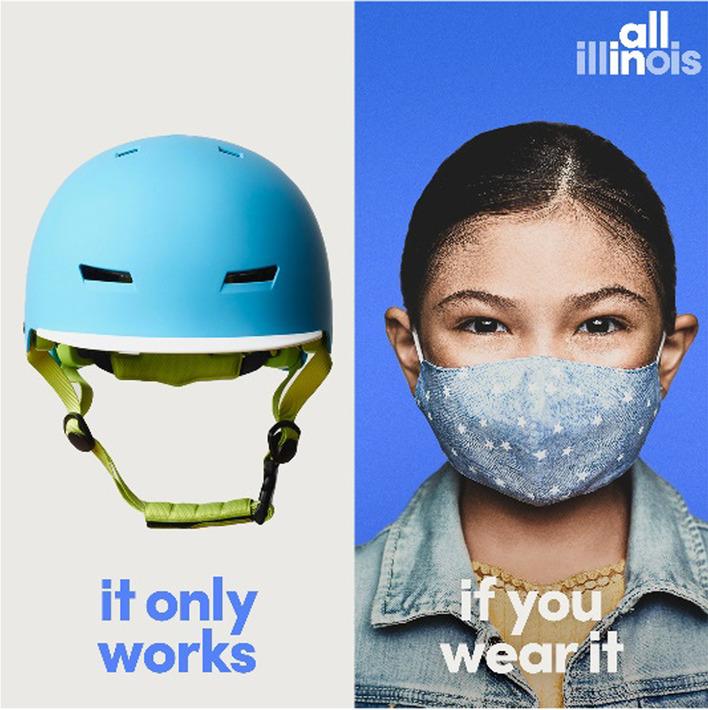
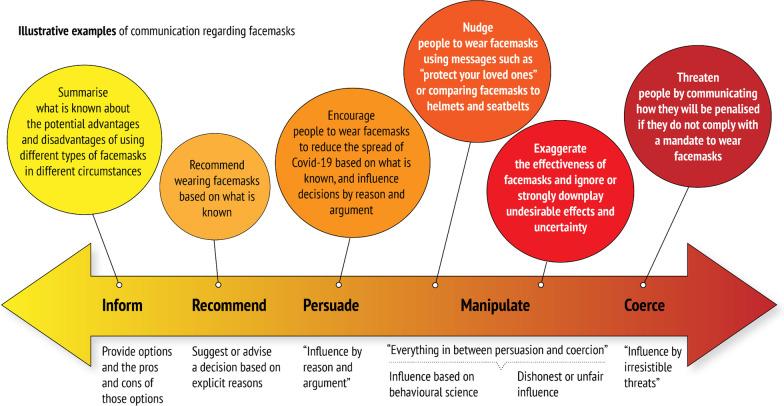
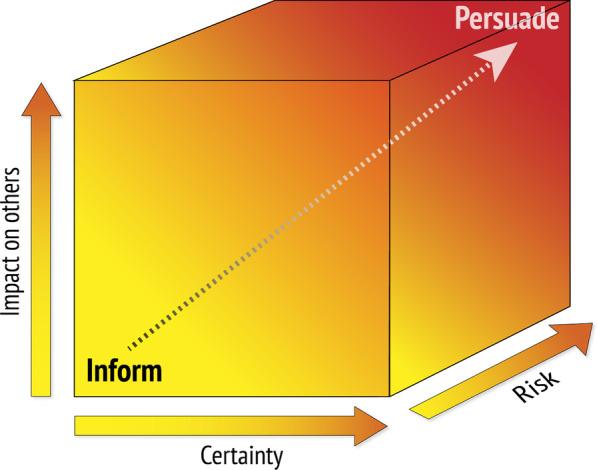
Much health communication during the COVID-19 pandemic has been designed to persuade people more than to inform them. For example, messages like "masks save lives" are intended to compel people to wear face masks, not to enable them to make an informed decision about whether to wear a face mask or to understand the justification for a mask mandate. Both persuading people and informing them are reasonable goals for health communication. However, those goals can sometimes be in conflict. In this article, we discuss potential conflicts between seeking to persuade or to inform people, the use of spin to persuade people, the ethics of persuasion, and implications for health communication in the context of the pandemic and generally. Decisions to persuade people rather than enable them to make an informed choice may be justified, but the basis for those decisions should be transparent and the evidence should not be distorted. We suggest nine principles to guide decisions by health authorities about whether to try to persuade people.
在 COVID-19 大流行期间,许多健康传播活动旨在说服人们,而不是告知他们。例如,“口罩拯救生命”这样的信息旨在迫使人们戴口罩,而不是让他们能够就是否戴口罩做出明智的决定,或者了解戴口罩的理由。说服人们和告知他们都是健康传播的合理目标。然而,这些目标有时可能会发生冲突。在本文中,我们讨论了在试图说服或告知人们、使用“spin”来说服人们、说服的伦理以及大流行和一般情况下健康传播的影响等方面,寻求说服或告知人们之间可能存在的潜在冲突。做出说服人们而不是让他们做出明智选择的决定可能是合理的,但这些决定的依据应该是透明的,证据不应该被扭曲。我们提出了九条原则,供卫生当局决定是否试图说服人们。
 Zotero 插件