
药用植物生物活性化合物抗细菌的作用机制、群体感应抑制作用及临床试验:综述
Mechanisms, Anti-Quorum-Sensing Actions, and Clinical Trials of Medicinal Plant Bioactive Compounds against Bacteria: A Comprehensive Review.
作者信息
Bouyahya Abdelhakim, Chamkhi Imane, Balahbib Abdelaali, Rebezov Maksim, Shariati Mohammad Ali, Wilairatana Polrat, Mubarak Mohammad S, Benali Taoufiq, El Omari Nasreddine
机构信息
Laboratory of Human Pathologies Biology, Department of Biology, Faculty of Sciences, Genomic Center of Human Pathologies, Mohammed V University in Rabat, Rabat 10106, Morocco.
Centre GEOPAC, Laboratoire de Geobiodiversite et Patrimoine Naturel, Université Mohammed V de Rabat, Institut Scientifique de Rabat, Rabat 10106, Morocco.
出版信息
Molecules. 2022 Feb 22;27(5):1484. doi: 10.3390/molecules27051484.
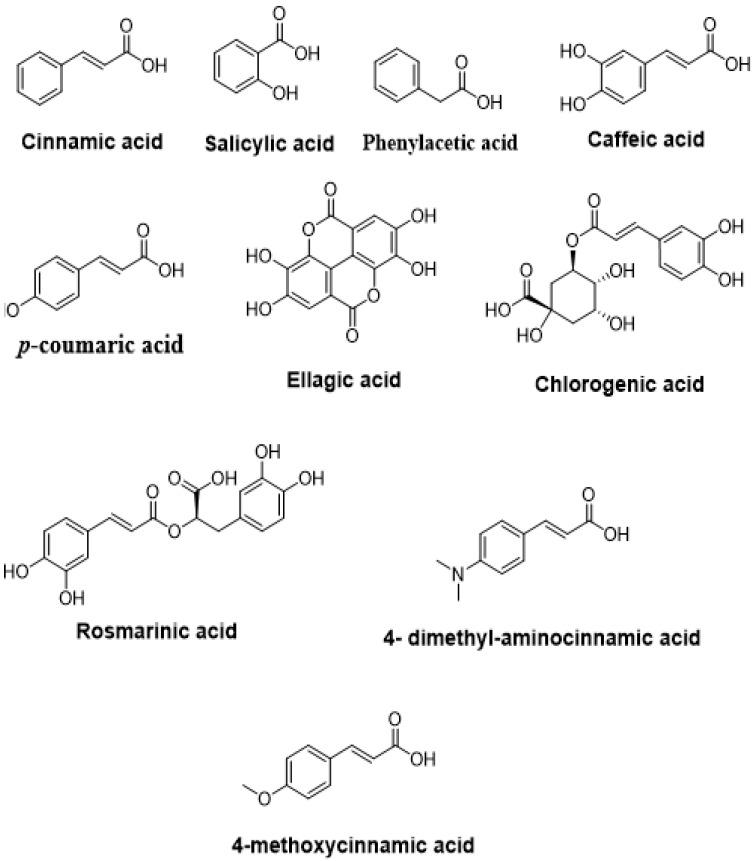
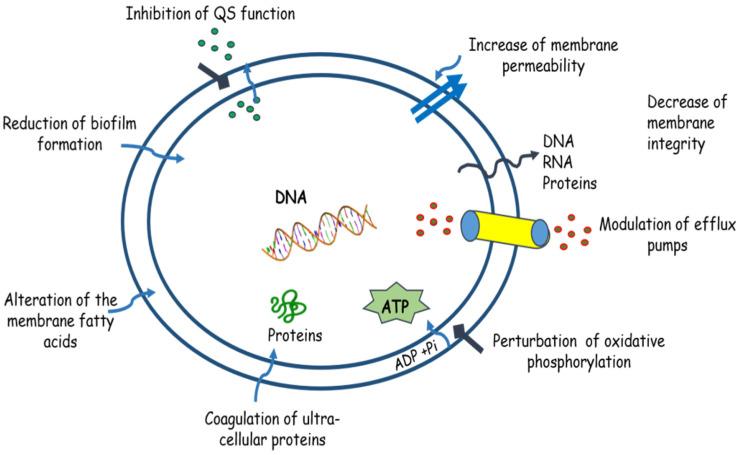
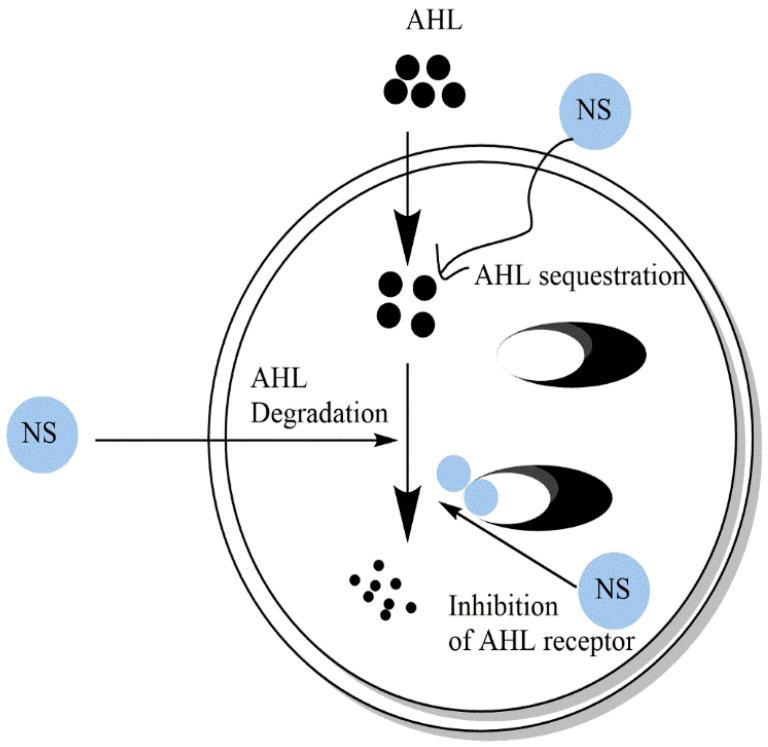
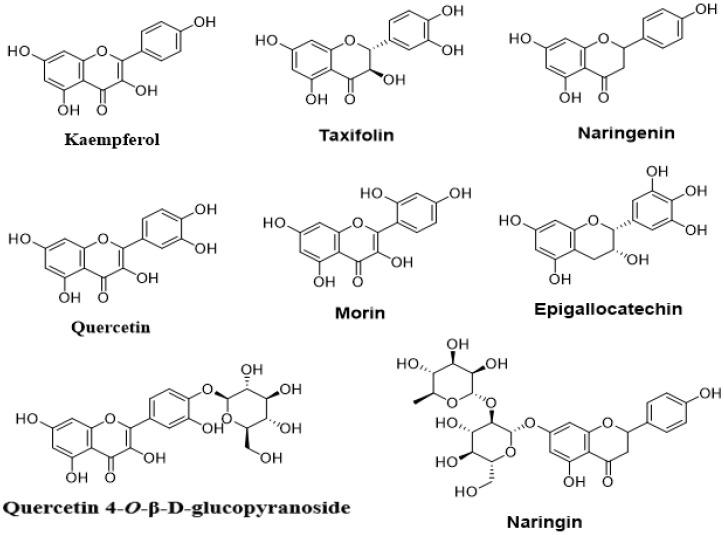
Bacterial strains have developed an ability to resist antibiotics via numerous mechanisms. Recently, researchers conducted several studies to identify natural bioactive compounds, particularly secondary metabolites of medicinal plants, such as terpenoids, flavonoids, and phenolic acids, as antibacterial agents. These molecules exert several mechanisms of action at different structural, cellular, and molecular levels, which could make them candidates or lead compounds for developing natural antibiotics. Research findings revealed that these bioactive compounds can inhibit the synthesis of DNA and proteins, block oxidative respiration, increase membrane permeability, and decrease membrane integrity. Furthermore, recent investigations showed that some bacterial strains resist these different mechanisms of antibacterial agents. Researchers demonstrated that this resistance to antibiotics is linked to a microbial cell-to-cell communication system called quorum sensing (QS). Consequently, inhibition of QS or quorum quenching is a promising strategy to not only overcome the resistance problems but also to treat infections. In this respect, various bioactive molecules, including terpenoids, flavonoids, and phenolic acids, exhibit numerous anti-QS mechanisms via the inhibition of auto-inducer releases, sequestration of QS-mediated molecules, and deregulation of QS gene expression. However, clinical applications of these molecules have not been fully covered, which limits their use against infectious diseases. Accordingly, the aim of the present work was to discuss the role of the QS system in bacteria and its involvement in virulence and resistance to antibiotics. In addition, the present review summarizes the most recent and relevant literature pertaining to the anti-quorum sensing of secondary metabolites and its relationship to antibacterial activity.
细菌菌株已通过多种机制产生了对抗生素的耐药能力。最近,研究人员开展了多项研究,以鉴定天然生物活性化合物,特别是药用植物的次生代谢产物,如萜类化合物、黄酮类化合物和酚酸,作为抗菌剂。这些分子在不同的结构、细胞和分子水平上发挥多种作用机制,这可能使它们成为开发天然抗生素的候选物或先导化合物。研究结果表明,这些生物活性化合物可抑制DNA和蛋白质的合成、阻断氧化呼吸、增加膜通透性并降低膜完整性。此外,最近的研究表明,一些细菌菌株对这些抗菌剂的不同作用机制具有抗性。研究人员证明,这种对抗生素的抗性与一种称为群体感应(QS)的微生物细胞间通讯系统有关。因此,抑制群体感应或群体猝灭不仅是克服耐药问题的一种有前景的策略,也是治疗感染的一种策略。在这方面,包括萜类化合物、黄酮类化合物和酚酸在内的各种生物活性分子,通过抑制自诱导物释放、隔离群体感应介导的分子以及解除群体感应基因表达的调控,展现出多种抗群体感应机制。然而,这些分子的临床应用尚未得到充分涵盖,这限制了它们在治疗传染病方面的应用。因此,本研究的目的是探讨群体感应系统在细菌中的作用及其在毒力和抗生素耐药性中的作用。此外,本综述总结了与次生代谢产物的抗群体感应及其与抗菌活性的关系相关的最新和相关文献。


 Zotero 插件