
将废弃口罩回收用作建筑材料,迈向可持续发展的一步。
Recycling of Waste Facial Masks as a Construction Material, a Step towards Sustainability.
作者信息
Idrees Maria, Akbar Arslan, Mohamed Abdeliazim Mustafa, Fathi Dina, Saeed Farhan
机构信息
Department of Architectural Engineering & Design, University of Engineering & Technology, Lahore 54000, Pakistan.
Department of Architecture and Civil Engineering, City University of Hong Kong, Kowloon 999077, Hong Kong, China.
出版信息
Materials (Basel). 2022 Feb 28;15(5):1810. doi: 10.3390/ma15051810.
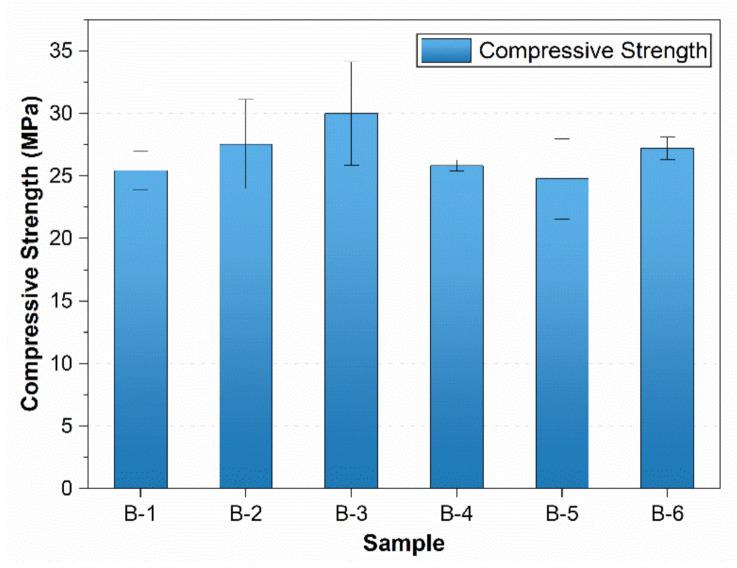
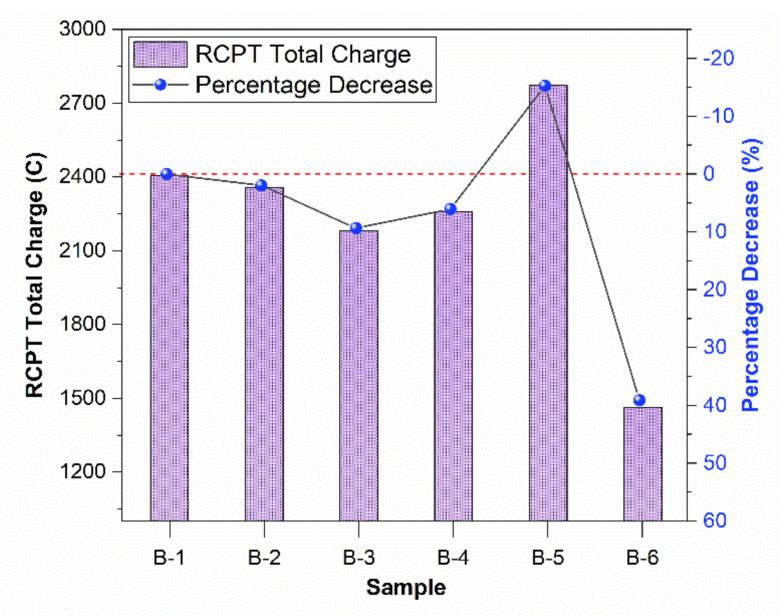
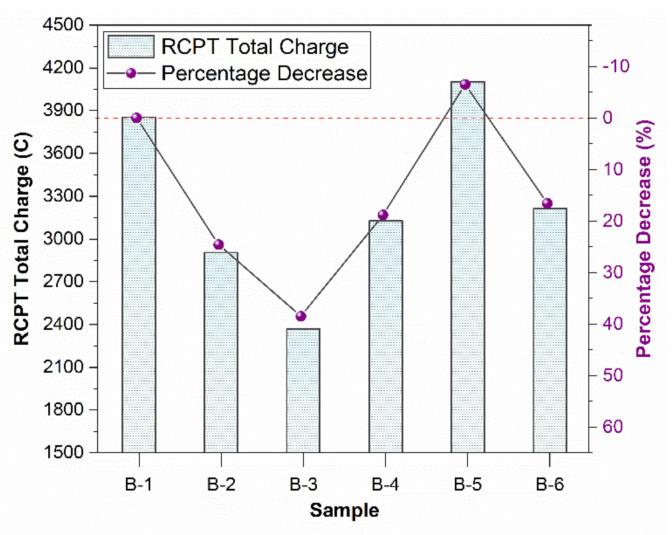
Amid the COVID-19 pandemic, a sudden surge in the production and utilization of disposable, single-use facial masks has been observed. Delinquency in proper disposal of used facial masks endangers the environment with a new form of non-biodegradable plastic waste that will take hundreds of years to break down. Therefore, there is an urgent need for the resourceful recycling of such waste in an environmentally friendly way. This study presents an efficient solution by using waste masks in fibered or crushed form to produce environmentally friendly and affordable green concrete. This investigation assessed the mechanical and durability properties of waste masks-incorporated concrete. A total of six mixes were prepared for standardized tests to determine compressive strength, split cylinder tensile strength and rapid chloride penetration test (RCPT), and freeze-thaw resistance. The percentage of mask fibers used were 0.5, 1, 1.5, and 2% of concrete by volume, while crushed masks were used at 0.5% only. The mask waste in both forms was found suitable to be used in concrete. One percent of waste mask fibers was found as an optimum value to increase compressive and tensile strength, reduce chloride permeability, and increase freeze-thaw resistance. Besides this, 0.5% crushed mask fiber also performed well, especially for producing less permeable and highly durable concrete. It is thus corroborated that waste masks that increase pollution worldwide can be utilized sustainably to help build green buildings. By reutilizing waste masks to produce improved concrete with better strengths and higher durability, circular economy and sustainability are achieved, along with efficient waste management.
在新冠疫情期间,人们观察到一次性面部口罩的生产和使用量突然激增。用过的口罩若处理不当,会产生一种新型不可生物降解的塑料垃圾,危害环境,且这种垃圾需要数百年才能分解。因此,迫切需要以环保方式对这类垃圾进行有效回收利用。本研究提出了一种有效解决方案,即使用纤维状或粉碎状的废弃口罩来生产环保且价格实惠的绿色混凝土。本调查评估了掺入废弃口罩的混凝土的力学性能和耐久性。总共制备了六种混合料用于标准化测试,以确定抗压强度、劈裂圆柱体抗拉强度、快速氯离子渗透试验(RCPT)和抗冻融性。所用口罩纤维的体积百分比分别为混凝土体积的0.5%、1%、1.5%和2%,而粉碎后的口罩仅使用了0.5%。结果发现,两种形式的口罩废料都适合用于混凝土。发现1%的废弃口罩纤维是提高抗压和抗拉强度、降低氯离子渗透性以及增强抗冻融性的最佳值。此外,0.5%的粉碎口罩纤维也表现良好,特别是在生产渗透性更低、耐久性更高的混凝土方面。因此可以证实,在全球造成污染的废弃口罩可以得到可持续利用,以帮助建造绿色建筑。通过重新利用废弃口罩来生产强度更高、耐久性更好的改良混凝土,实现了循环经济和可持续性,同时也实现了高效的废物管理。





 Zotero 插件