
维生素D可刺激子痫前期患者胎盘的L型氨基酸转运体1(LAT1)。
Vitamin D stimulates placental L-type amino acid transporter 1 (LAT1) in preeclampsia.
作者信息
Jia Xiaotong, Cao Yang, Ye Lingyu, Liu Xueqing, Huang Yujia, Yuan Xiaolei, Lu Chunmei, Xu Jie, Zhu Hui
机构信息
Department of Physiology, Harbin Medical University, Harbin, 150081, China.
Department of Obstetrics and Gynecology, Second Affiliated Hospital of Harbin Medical University, Harbin, 150081, China.
出版信息
Sci Rep. 2022 Mar 17;12(1):4651. doi: 10.1038/s41598-022-08641-y.
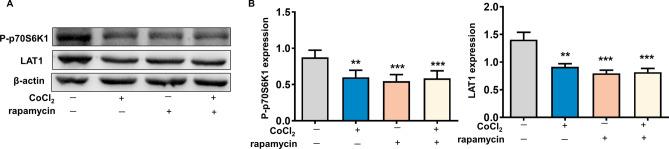
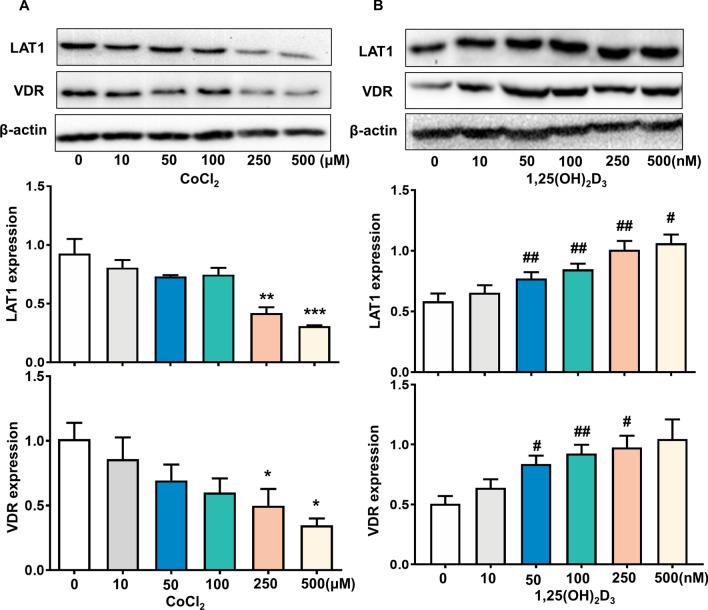
Vitamin D insufficiency/deficiency has been linked to an increased risk of preeclampsia. Impaired placental amino acid transport is suggested to contribute to abnormal fetal intrauterine growth in pregnancies complicated by preeclampsia. However, if vitamin D-regulated amino acid transporter is involved in the pathophysiologic mechanism of preeclampsia has not been clarified yet. The aberrant expression of key isoform of L-type amino acid transporter LAT1 was determined by western blot and immunohistochemistry in the placenta from normotensive and preeclamptic pregnancies. The role for vitamin D on placental LAT1 expression was investigated through the exposure of HTR-8/SVneo human trophoblast cells to the biologically active 1,25(OH)D and the oxidative stress-inducer cobalt chloride (CoCl). Our results showed that placental LAT1 expression was reduced in women with preeclampsia compared to normotensive pregnancies, which was associated with decreased expression of vitamin D receptor (VDR). 1,25(OH)D significantly upregulated LAT1 expression in placental trophoblasts, and also prevented the decrease of mTOR activity under CoCl-induced oxidative stress. siRNA targeting VDR significantly attenuated 1,25(OH)D-stimulated LAT1 expression and mTOR signaling activity. Moreover, treatment of rapamycin specifically inhibited the activity of mTOR signaling and resulted in decrease of LAT1 expression. In conclusion, LAT1 expression was downregulated in the placenta from women with preeclampsia. 1,25(OH)D/VDR could stimulate LAT1 expression, which was likely mediated by mTOR signaling in placental trophoblasts. Regulation on placental amino acid transport may be one of the mechanisms by which vitamin D affects fetal growth in preeclampsia.
维生素D不足/缺乏与子痫前期风险增加有关。胎盘氨基酸转运受损被认为是导致子痫前期合并妊娠中胎儿宫内生长异常的原因。然而,维生素D调节的氨基酸转运体是否参与子痫前期的病理生理机制尚未阐明。通过蛋白质印迹法和免疫组织化学法测定了正常血压妊娠和子痫前期妊娠胎盘组织中L型氨基酸转运体1(LAT1)关键亚型的异常表达。通过将HTR-8/SVneo人滋养层细胞暴露于生物活性1,25(OH)D和氧化应激诱导剂氯化钴(CoCl),研究了维生素D对胎盘LAT1表达的作用。我们的结果表明,与正常血压妊娠相比,子痫前期患者胎盘LAT1表达降低,这与维生素D受体(VDR)表达降低有关。1,25(OH)D显著上调胎盘滋养层细胞中LAT1的表达,并防止CoCl诱导的氧化应激下mTOR活性的降低。靶向VDR的小干扰RNA(siRNA)显著减弱了1,25(OH)D刺激的LAT1表达和mTOR信号活性。此外,雷帕霉素处理特异性抑制了mTOR信号的活性,并导致LAT1表达降低。总之,子痫前期患者胎盘组织中LAT1表达下调。1,25(OH)D/VDR可刺激LAT1表达,这可能是通过胎盘滋养层细胞中的mTOR信号介导的。对胎盘氨基酸转运的调节可能是维生素D影响子痫前期胎儿生长的机制之一。



 Zotero 插件