
内源性人类蛋白质干扰淀粉样蛋白形成。
Endogenous Human Proteins Interfering with Amyloid Formation.
机构信息
Department of Clinical Microbiology, Umeå University, 901 87 Umeå, Sweden.
Department of Public Health and Clinical Medicine, Umeå University, 901 87 Umeå, Sweden.
出版信息
Biomolecules. 2022 Mar 14;12(3):446. doi: 10.3390/biom12030446.
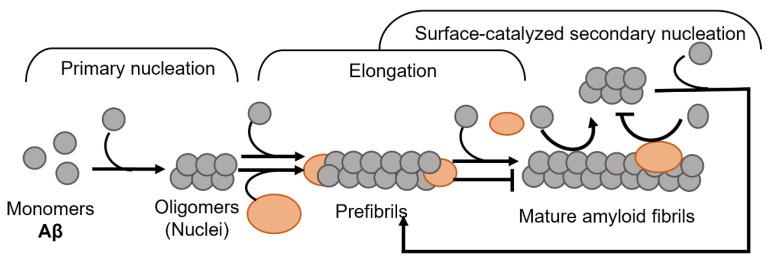
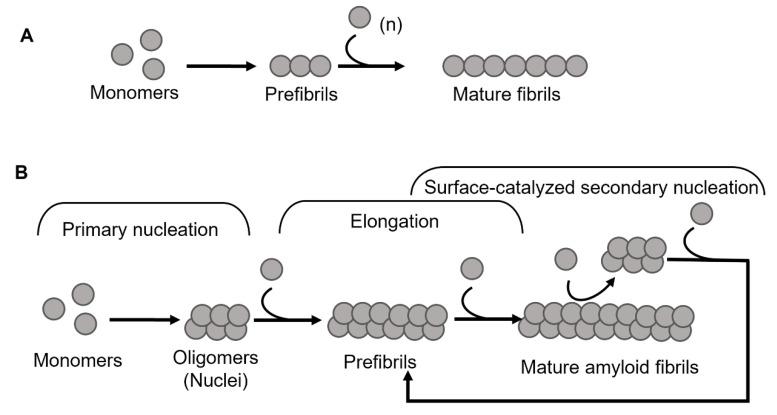
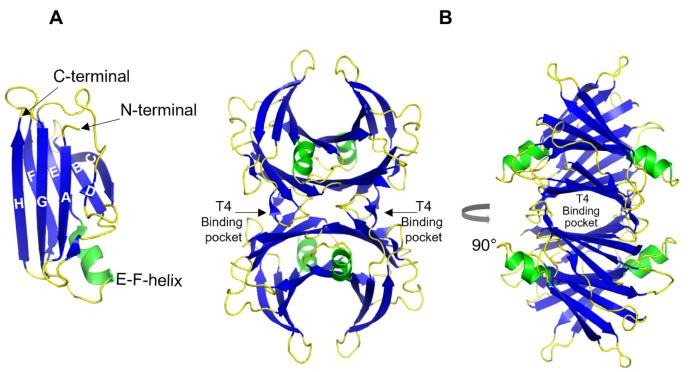
Amyloid formation is a pathological process associated with a wide range of degenerative disorders, including Alzheimer's disease, Parkinson's disease, and diabetes mellitus type 2. During disease progression, abnormal accumulation and deposition of proteinaceous material are accompanied by tissue degradation, inflammation, and dysfunction. Agents that can interfere with the process of amyloid formation or target already formed amyloid assemblies are consequently of therapeutic interest. In this context, a few endogenous proteins have been associated with an anti-amyloidogenic activity. Here, we review the properties of transthyretin, apolipoprotein E, clusterin, and BRICHOS protein domain which all effectively interfere with amyloid in vitro, as well as displaying a clinical impact in humans or animal models. Their involvement in the amyloid formation process is discussed, which may aid and inspire new strategies for therapeutic interventions.
淀粉样蛋白形成是与多种退行性疾病相关的病理过程,包括阿尔茨海默病、帕金森病和 2 型糖尿病。在疾病进展过程中,异常的蛋白质物质积累和沉积伴随着组织降解、炎症和功能障碍。因此,能够干扰淀粉样蛋白形成过程或靶向已经形成的淀粉样蛋白聚集物的药物具有治疗意义。在这种情况下,一些内源性蛋白质与抗淀粉样蛋白形成活性有关。在这里,我们回顾了转甲状腺素蛋白、载脂蛋白 E、簇蛋白和 BRICHOS 蛋白结构域的特性,它们都能有效地在体外干扰淀粉样蛋白,并且在人类或动物模型中具有临床影响。讨论了它们在淀粉样蛋白形成过程中的作用,这可能有助于并启发新的治疗干预策略。


 Zotero 插件