
用于 COVID-19 和多种疾病的 mRNA 疫苗。
mRNA vaccines for COVID-19 and diverse diseases.
机构信息
Advanced Research Institute of Multidisciplinary Science, School of Life Science, School of Medical Technology (Institute of Engineering Medicine), Key Laboratory of Molecular Medicine and Biotherapy, Key Laboratory of Medical Molecule Science and Pharmaceutics Engineering, Beijing Institute of Technology, Beijing 100081, China.
Advanced Research Institute of Multidisciplinary Science, School of Life Science, School of Medical Technology (Institute of Engineering Medicine), Key Laboratory of Molecular Medicine and Biotherapy, Key Laboratory of Medical Molecule Science and Pharmaceutics Engineering, Beijing Institute of Technology, Beijing 100081, China.
出版信息
J Control Release. 2022 May;345:314-333. doi: 10.1016/j.jconrel.2022.03.032. Epub 2022 Mar 21.
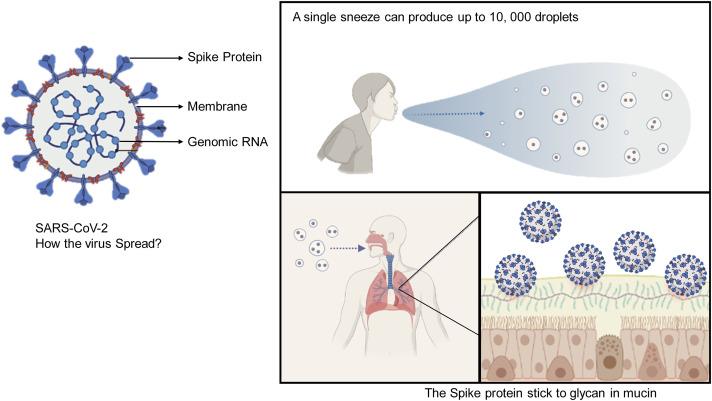
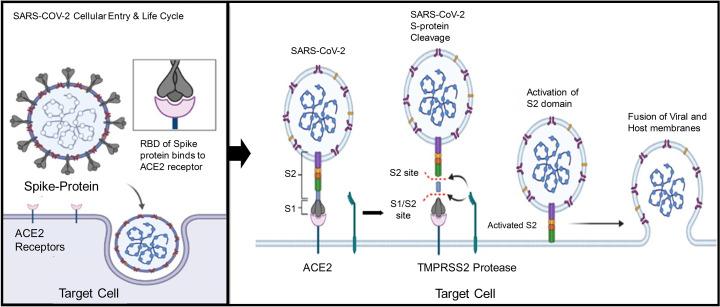
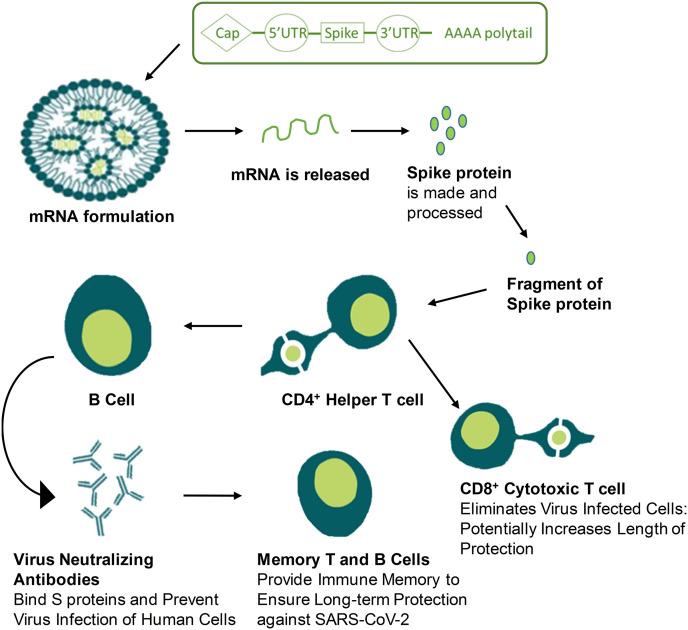
Since its outbreak in late 2019, the novel coronavirus disease 2019 (COVID-19) has spread to every continent on the planet. The global pandemic has affected human health and socioeconomic status around the world. At first, the global response to the pandemic was to isolate afflicted individuals to prevent the virus from spreading, while vaccine development was ongoing. The genome sequence was first presented in early January 2020, and the phase I clinical trial of the vaccine started in March 2020 in the United States using novel lipid-based nanoparticle (LNP), encapsulated with mRNA termed as mRNA-1273. Till now, various mRNA-based vaccines are in development, while one mRNA-based vaccine got market approval from US-FDA for the prevention of COVID-19. Previously, mRNA-based vaccines were thought to be difficult to develop, but the current development is a significant accomplishment. However, widespread production and global availability of mRNA-based vaccinations to combat the COVID-19 pandemic remains a major challenge, especially when the mutations continually occur on the virus (e.g., the recent outbreaks of Omicron variant). This review elaborately discusses the COVID-19 pandemic, the biology of SARS-CoV-2 and the progress of mRNA-based vaccines. Moreover, the review also highlighted a detailed description of mRNA delivery technologies and the application potential in controlling other life-threatening diseases. Therefore, it provides a comprehensive view and multidisciplinary insights into mRNA therapy for broader audiences.
自 2019 年末爆发以来,新型冠状病毒病 2019(COVID-19)已蔓延至地球上的每个大陆。这场全球大流行影响了全世界人类的健康和社会经济状况。起初,全球对大流行的应对措施是隔离受感染的个体,以防止病毒传播,同时疫苗也在开发中。该病毒的基因组序列于 2020 年 1 月初首次公布,美国于 2020 年 3 月开始对疫苗进行 I 期临床试验,使用新型脂质纳米颗粒(LNP)封装的 mRNA 称为 mRNA-1273。到目前为止,各种基于 mRNA 的疫苗正在开发中,而一种基于 mRNA 的疫苗已获得美国食品和药物管理局(FDA)的批准,可预防 COVID-19。以前,人们认为基于 mRNA 的疫苗难以开发,但目前的开发是一项重大成就。然而,广泛生产和全球提供 mRNA 疫苗以对抗 COVID-19 大流行仍然是一个主要挑战,尤其是当病毒不断发生突变时(例如,最近的奥密克戎变体爆发)。这篇综述详细讨论了 COVID-19 大流行、SARS-CoV-2 的生物学以及基于 mRNA 的疫苗的进展。此外,该综述还强调了详细描述了 mRNA 传递技术及其在控制其他危及生命的疾病方面的应用潜力。因此,它为更广泛的受众提供了对 mRNA 治疗的全面观点和多学科见解。







 Zotero 插件