
婴儿配方奶粉的宏量营养素组成会导致肠道微生物组成熟度的差异,而这些差异与体重增长速度和体重状况有关。
The Macronutrient Composition of Infant Formula Produces Differences in Gut Microbiota Maturation That Associate with Weight Gain Velocity and Weight Status.
机构信息
Monell Chemical Senses Center, Philadelphia, PA 19104, USA.
Department of Biostatistics, Epidemiology and Informatics, Perelman School of Medicine, University of Pennsylvania, Philadelphia, PA 19104, USA.
出版信息
Nutrients. 2022 Mar 15;14(6):1241. doi: 10.3390/nu14061241.
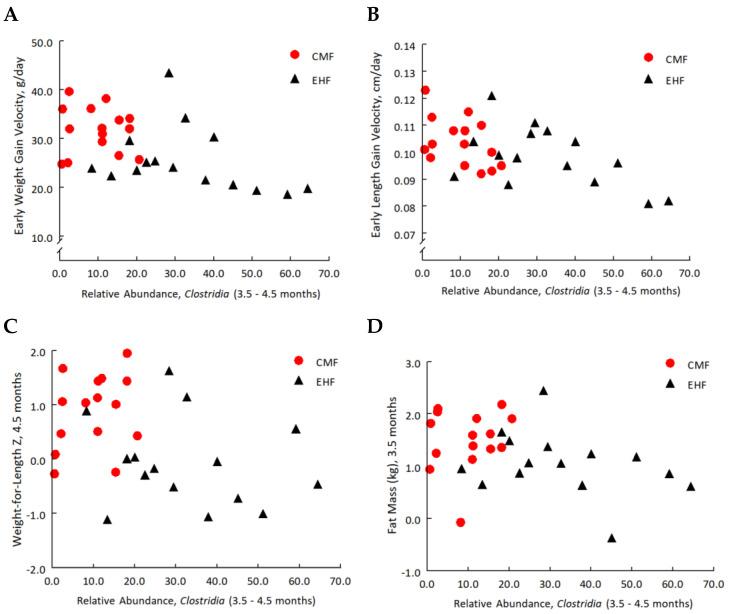
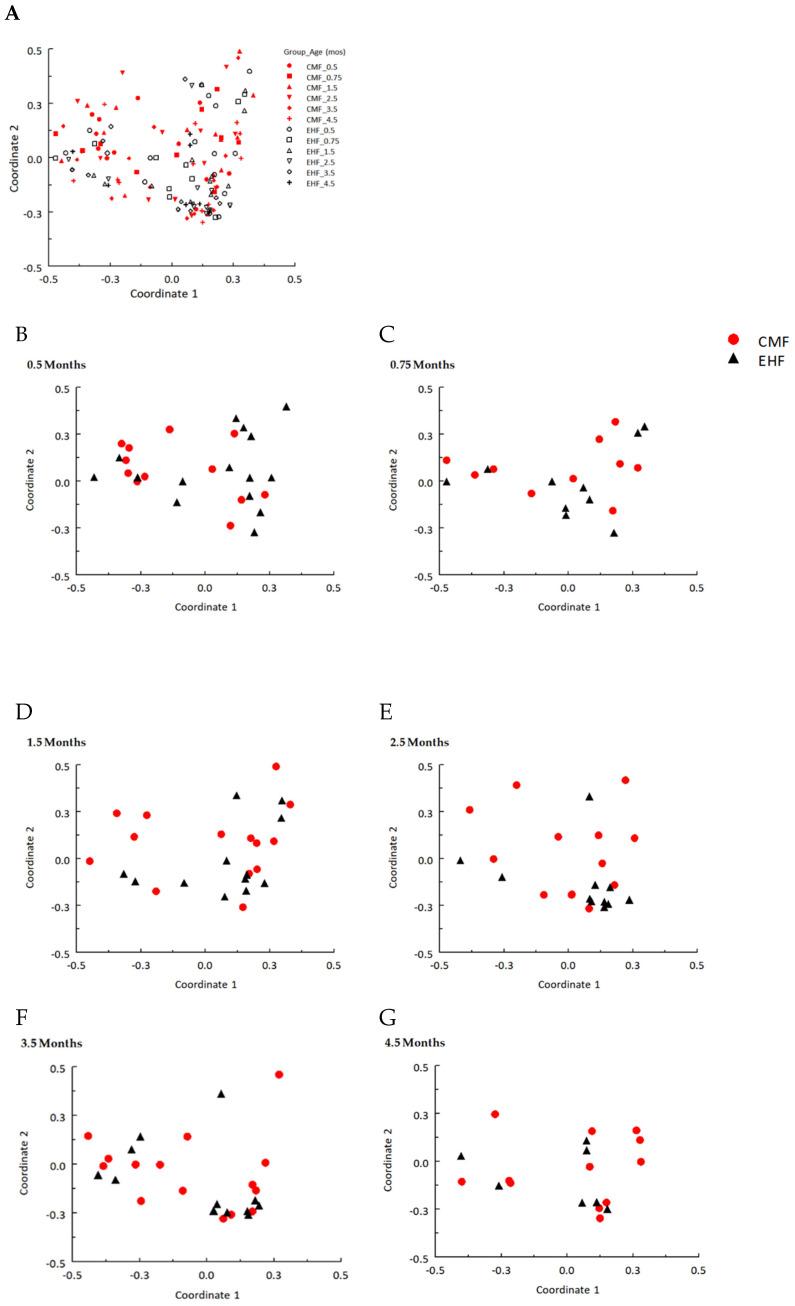
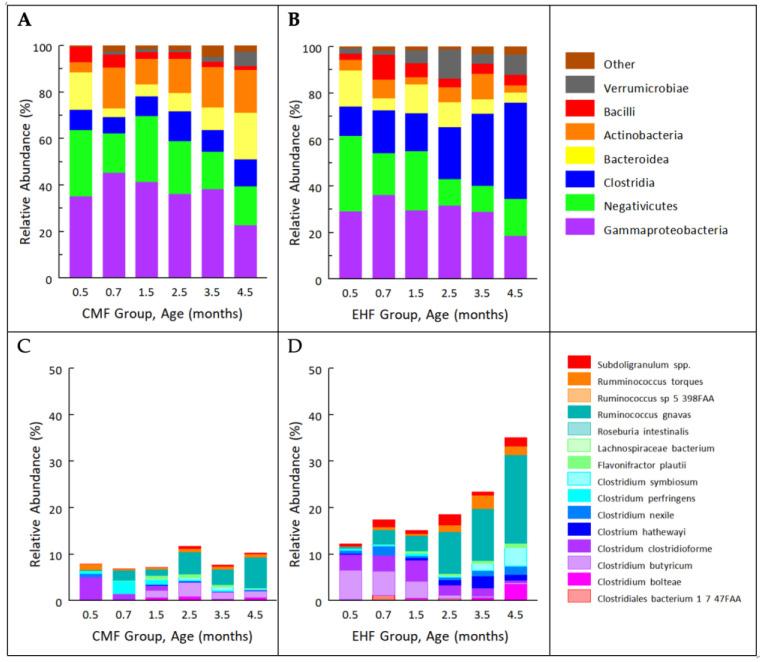
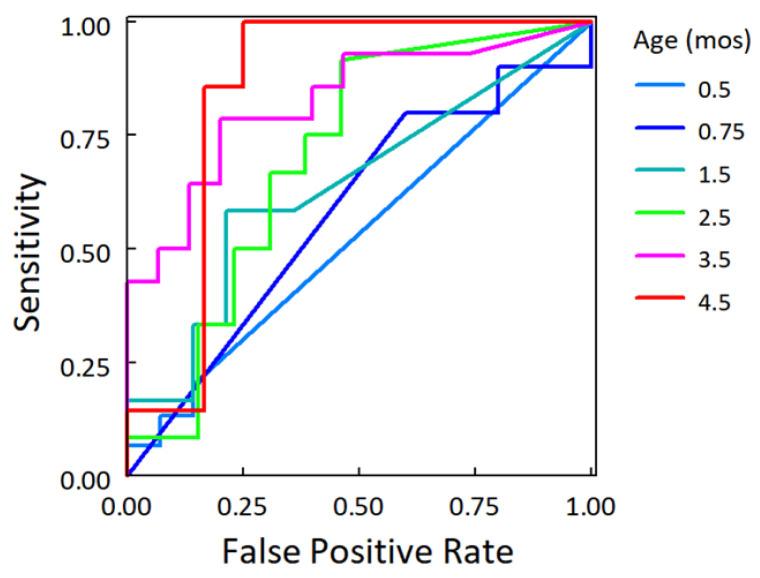
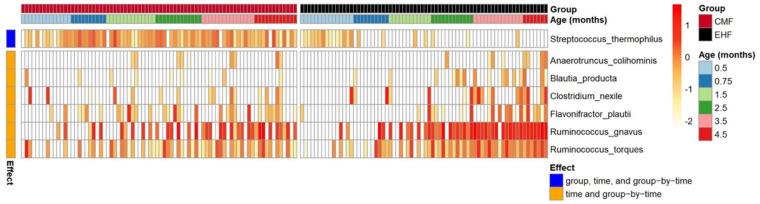
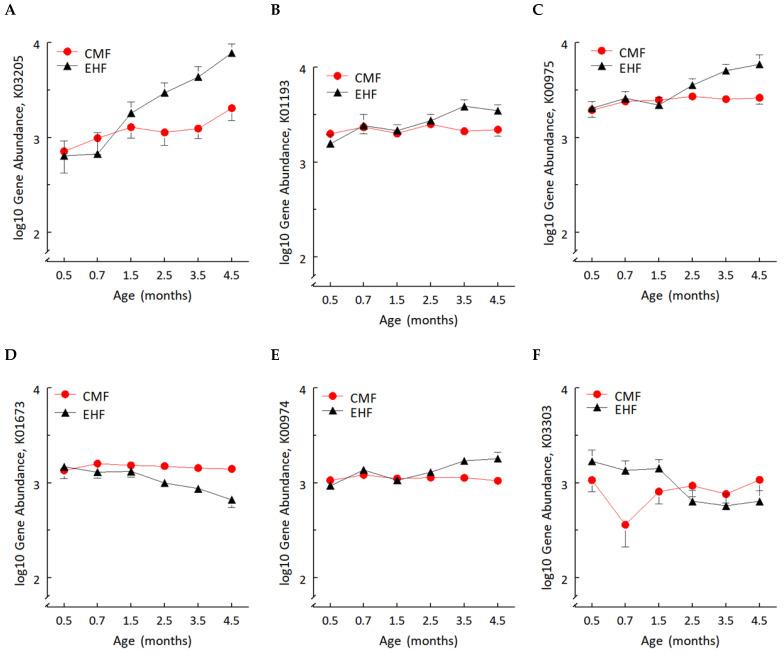
This proof-of-principle study analyzed fecal samples from 30 infants who participated in a randomized controlled trial on the effects of the macronutrient composition of infant formula on growth and energy balance. In that study, infants randomized to be fed cow milk formula (CMF) had faster weight-gain velocity during the first 4 months and higher weight-for-length Z scores up to 11.5 months than those randomized to an isocaloric extensive protein hydrolysate formula (EHF). Here we examined associations among infant formula composition, gut microbial composition and maturation, and children's weight status. Fecal samples collected before and monthly up to 4.5 months after randomization were analyzed by shotgun metagenomic sequencing and targeted metabolomics. The EHF group had faster maturation of gut microbiota than the CMF group, and increased alpha diversity driven by Clostridia taxa. Abundance of distinguished the two groups after exclusive feeding of the assigned formula for 3 months. Abundance of Clostridia at 3-4 months negatively correlated with prior weight-gain velocity and body weight phenotypes when they became toddlers. Macronutrient differences between the formulas likely led to the observed divergence in gut microbiota composition that was associated with differences in transient rapid weight gain, a well-established predictor of childhood obesity and other comorbidities.
这项原理验证研究分析了 30 名婴儿的粪便样本,这些婴儿参与了一项关于婴儿配方奶粉宏量营养素组成对生长和能量平衡影响的随机对照试验。在该研究中,与随机分配接受等热量广泛水解蛋白配方的婴儿相比,随机分配接受牛奶配方(CMF)的婴儿在前 4 个月体重增长速度更快,体重-身长 Z 评分在 11.5 个月时更高。在这里,我们研究了婴儿配方奶粉成分、肠道微生物组成和成熟度以及儿童体重状况之间的关联。在随机分组前和分组后 4.5 个月内每月收集粪便样本,通过 shotgun 宏基因组测序和靶向代谢组学进行分析。与 CMF 组相比,EHF 组的肠道微生物群成熟更快,并且由于梭菌分类群的增加而增加了 alpha 多样性。在单独喂养指定配方 3 个月后,区分了这两组。3-4 个月时梭菌的丰度与幼儿时的先前体重增长速度和体重表型呈负相关。配方之间的宏量营养素差异可能导致观察到的肠道微生物组成差异,这与短暂快速体重增加有关,而快速体重增加是儿童肥胖和其他合并症的既定预测因素。


 Zotero 插件