
利用实时 PCR 和多位点基因分型技术调查中国青藏高原废水中和地表水中的刚地弓形虫。
Investigation of Toxoplasma gondii in wastewater and surface water in the Qinghai-Tibet Plateau, China using real-time PCR and multilocus genotyping.
机构信息
Department of Tropical Parasitology, Institute of Maritime and Tropical Medicine in Gdynia, Medical University of Gdansk, 9b Powstania Styczniowego Str., 81-519, Gdynia, Poland.
State Key Laboratory of Plateau Ecology and Agriculture, Center for Biomedicine and Infectious Disease, Qinghai University, 1#Wei'er Road, Qinghai Biological Scientific Estate Garden, Xining, 810016, People's Republic of China.
出版信息
Sci Rep. 2022 Mar 31;12(1):5428. doi: 10.1038/s41598-022-09166-0.
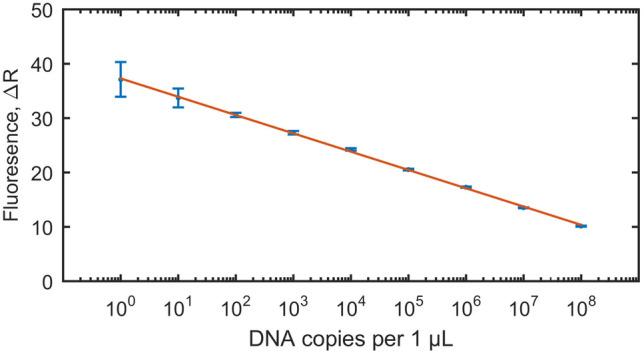
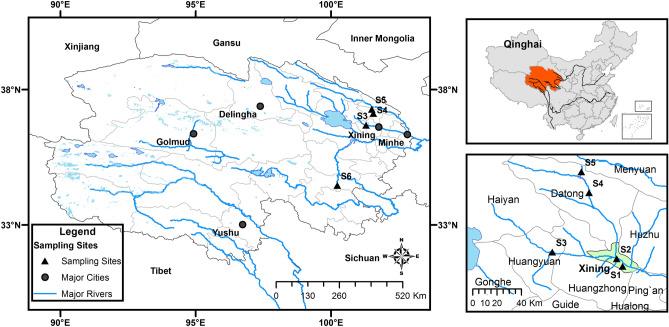
Toxoplasma gondii is a protozoan parasite, causing one of the most prevalent parasitic infections in the world. In the present study water sources of the Qinghai-Tibet Plateau (QTP), China, where the hygienic infrastructure is still developing, were investigated. A total of 214 water samples of 10 L volume, were collected from wastewater treatment plants (WWTPs), a slaughterhouse and rivers. The samples were filtered and then analysed using real-time PCR and multilocus genotyping. T. gondii DNA was found in four (1.9%) samples representing T. gondii type I; in one of them T. gondii-like oocysts were also confirmed microscopically. The approximate level of contamination of positive samples ranged between 30 and 2300 T. gondii sporozoites. The results of this study confirmed that T. gondii is present in wastewater in the greater metropolitan area of Xining and a neighbouring county. Contamination of wastewater at this level constitutes rather a moderate source of Toxoplasma infections in humans and animals. It suggests, however, a link between environmental exposure of animals, meat processing facilities and WWTPs. To our knowledge, this is the first investigation describing T. gondii detection in wastewater and environmental water samples collected from the territory of P.R. China using sensitive molecular tools.
刚地弓形虫是一种原生动物寄生虫,是世界上最普遍的寄生虫感染之一。在本研究中,我们调查了中国青藏高原(QTP)的水源,那里的卫生基础设施仍在发展中。共采集了来自废水处理厂(WWTP)、屠宰场和河流的 214 个 10 升水样。这些样本经过过滤,然后使用实时 PCR 和多位点基因分型进行分析。在四个(1.9%)样本中发现了刚地弓形虫 DNA,代表刚地弓形虫 I 型;其中一个样本也通过显微镜确认了刚地弓形虫样卵囊。阳性样本的大致污染水平在 30 到 2300 个刚地弓形虫孢子虫之间。本研究结果证实,刚地弓形虫存在于西宁市及其邻近县的大都市区废水中。这种水平的废水污染构成了人类和动物弓形虫感染的一个中等来源。然而,它表明动物的环境暴露、肉类加工设施和 WWTP 之间存在联系。据我们所知,这是首次使用敏感的分子工具描述在中国领土上从废水中和环境水中采集的刚地弓形虫检测。


 Zotero 插件