
核桃与茶树间作:对土壤养分、酶活性及微生物群落的影响
Intercropping Walnut and Tea: Effects on Soil Nutrients, Enzyme Activity, and Microbial Communities.
作者信息
Bai Yong-Chao, Li Bao-Xin, Xu Chun-Yong, Raza Mubashar, Wang Qi, Wang Qi-Zhu, Fu Ya-Nan, Hu Jian-Yang, Imoulan Abdessamad, Hussain Muzammil, Xu Yong-Jie
机构信息
State Key Laboratory of Tree Genetics and Breeding, Key Laboratory of Tree Breeding and Cultivation of the State Forestry and Grassland Administration, Research Institute of Forestry, Chinese Academy of Forestry, Beijing, China.
Hubei Academy of Forestry, Wuhan, China.
出版信息
Front Microbiol. 2022 Mar 18;13:852342. doi: 10.3389/fmicb.2022.852342. eCollection 2022.
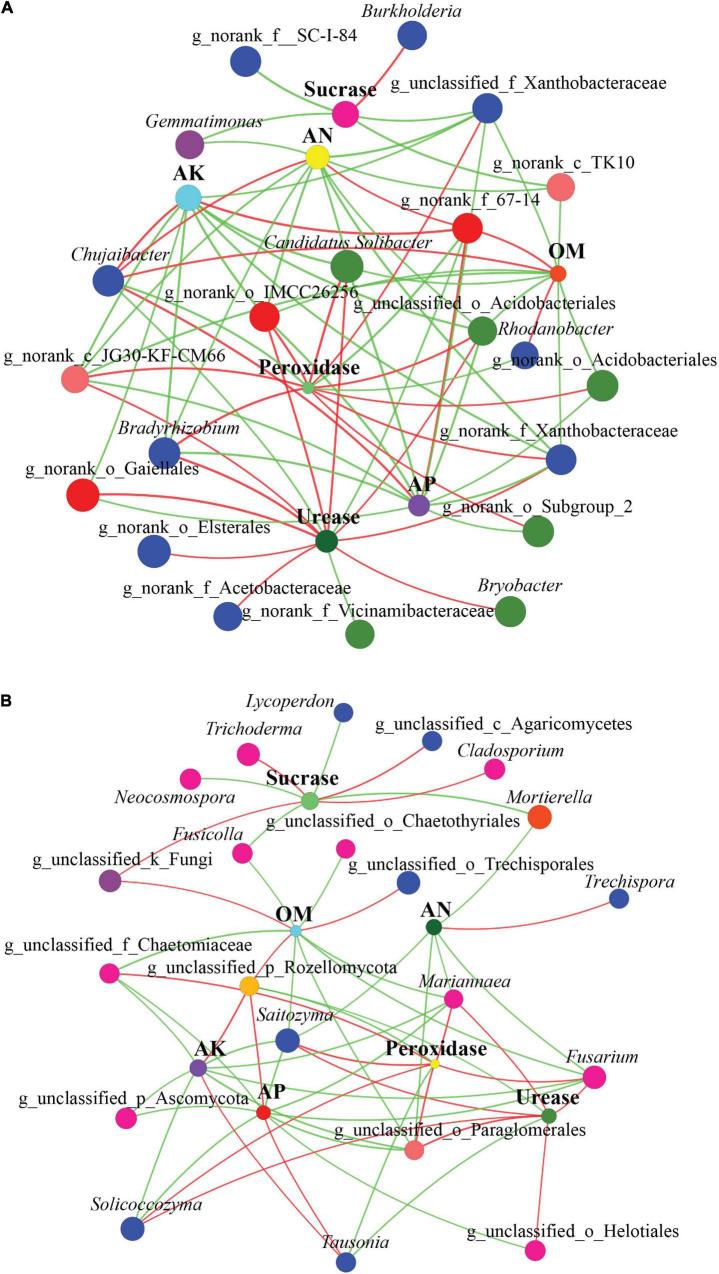
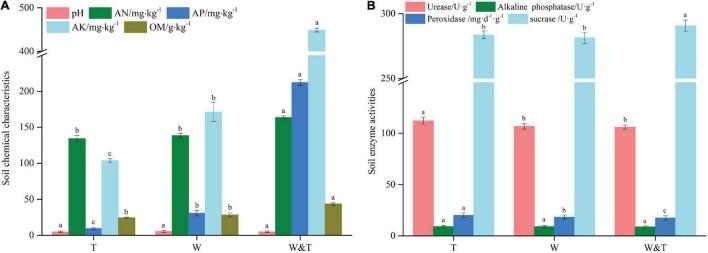
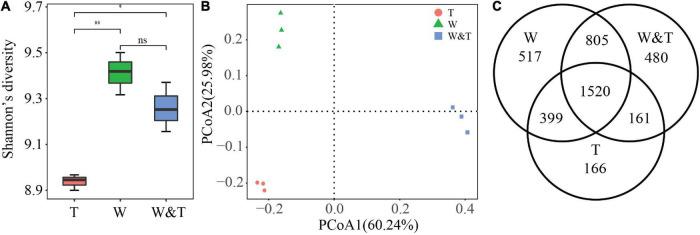
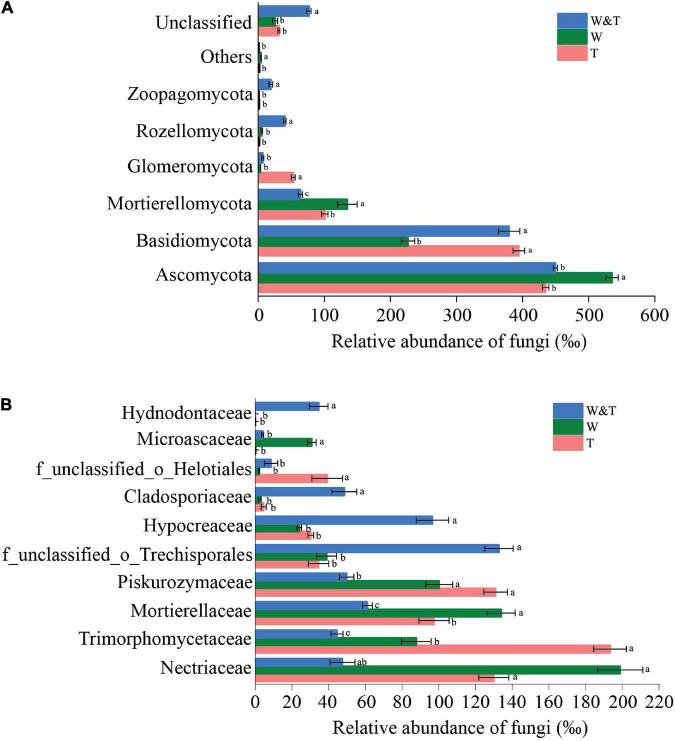
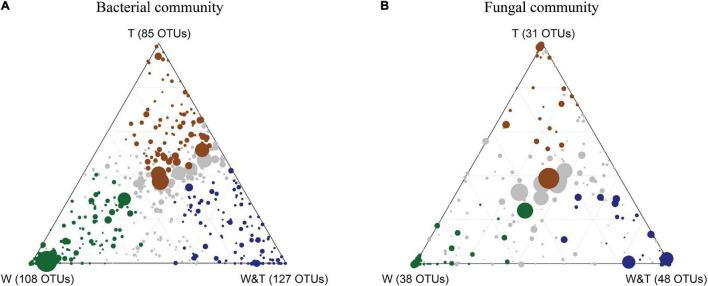
The practice of intercropping, which involves growing more than one crop simultaneously during the same growing season, is becoming more important for increasing soil quality, land-use efficiency, and subsequently crop productivity. The present study examined changes in soil physicochemical properties, enzymatic activity, and microbial community composition when walnut ( spp.) was intercropped with tea ( L.) plants in a forest and compared with a walnut and tea monocropping system. The results showed that walnut-tea intercropping improved the soil nutrient profile and enzymatic activity. The soil available nitrogen (AN), available phosphorus (AP), available potassium (AK), organic matter (OM) content, and sucrase activity were significantly boosted in intercropped walnut and tea than in monocropping forests. The interaction between crops further increased bacterial and fungal diversity when compared to monoculture tea forests. Proteobacteria, Bacteroidetes, Firmicutes, Chlamydiae, Rozellomycota, and Zoopagomycota were found in greater abundance in an intercropping pattern than in monoculture walnut and tea forest plantations. The walnut-tea intercropping system also markedly impacted the abundance of several bacterial and fungal operational taxonomic units (OTUs), which were previously shown to support nutrient cycling, prevent diseases, and ameliorate abiotic stress. The results of this study suggest that intercropping walnut with tea increased host fitness and growth by positively influencing soil microbial populations.
间作是指在同一生长季节同时种植多种作物,对于提高土壤质量、土地利用效率以及随后的作物生产力变得越来越重要。本研究调查了在森林中将核桃(属)与茶树(种)间作时土壤理化性质、酶活性和微生物群落组成的变化,并与核桃和茶的单作系统进行了比较。结果表明,核桃-茶间作改善了土壤养分状况和酶活性。间作的核桃和茶林中,土壤速效氮(AN)、速效磷(AP)、速效钾(AK)、有机质(OM)含量和蔗糖酶活性均显著高于单作林。与单作茶园相比,作物之间的相互作用进一步增加了细菌和真菌的多样性。在间作模式下,变形菌门、拟杆菌门、厚壁菌门、衣原体门、罗兹菌门和捕虫菌门的丰度高于单作的核桃和茶园。核桃-茶间作系统还显著影响了几个细菌和真菌操作分类单元(OTU)的丰度,这些OTU先前已被证明有助于养分循环、预防疾病和缓解非生物胁迫。本研究结果表明,核桃与茶间作通过对土壤微生物种群产生积极影响,提高了宿主的适应性和生长。



 Zotero 插件