
多倍体作为进化、发育、适应和疾病的基本现象。
Polyploidy as a Fundamental Phenomenon in Evolution, Development, Adaptation and Diseases.
机构信息
Institute of Cytology RAS, 194064 Saint Petersburg, Russia.
出版信息
Int J Mol Sci. 2022 Mar 24;23(7):3542. doi: 10.3390/ijms23073542.
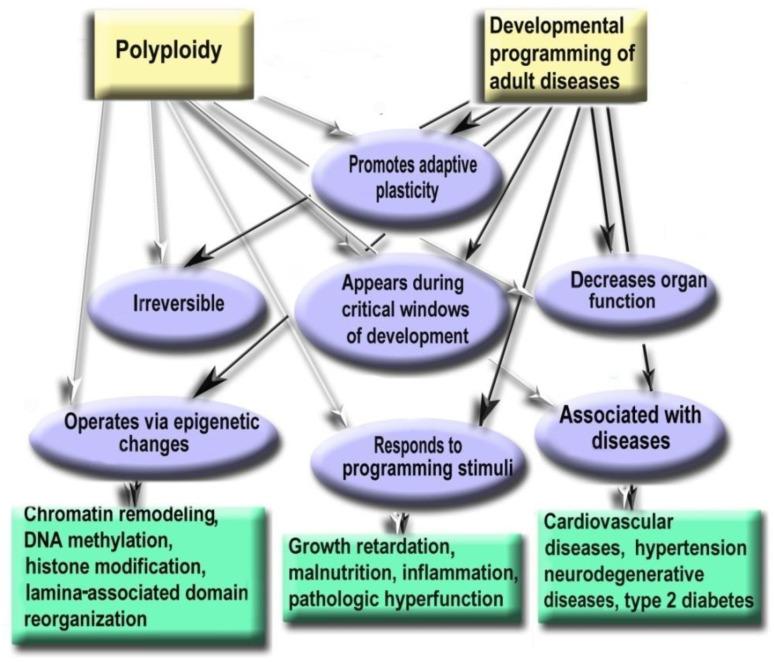
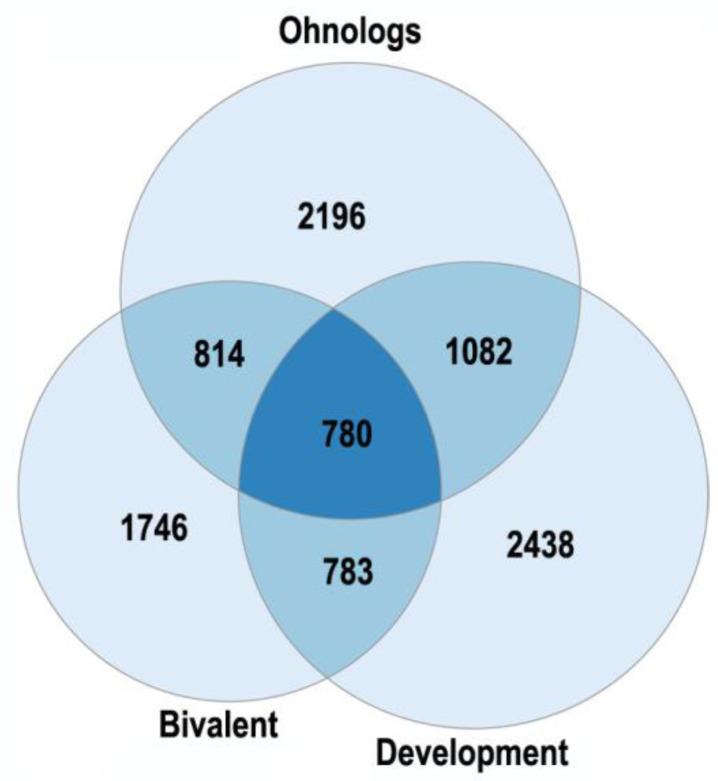
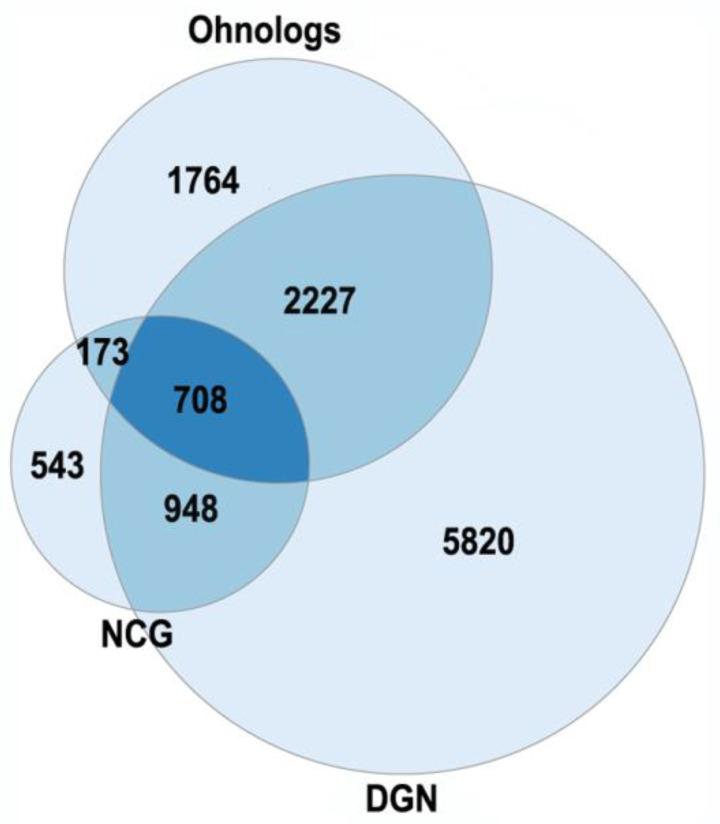
DNA replication during cell proliferation is 'vertical' copying, which reproduces an initial amount of genetic information. Polyploidy, which results from whole-genome duplication, is a fundamental complement to vertical copying. Both organismal and cell polyploidy can emerge via premature cell cycle exit or via cell-cell fusion, the latter giving rise to polyploid hybrid organisms and epigenetic hybrids of somatic cells. Polyploidy-related increase in biological plasticity, adaptation, and stress resistance manifests in evolution, development, regeneration, aging, oncogenesis, and cardiovascular diseases. Despite the prevalence in nature and importance for medicine, agri- and aquaculture, biological processes and epigenetic mechanisms underlying these fundamental features largely remain unknown. The evolutionarily conserved features of polyploidy include activation of transcription, response to stress, DNA damage and hypoxia, and induction of programs of morphogenesis, unicellularity, and longevity, suggesting that these common features confer adaptive plasticity, viability, and stress resistance to polyploid cells and organisms. By increasing cell viability, polyploidization can provide survival under stressful conditions where diploid cells cannot survive. However, in somatic cells it occurs at the expense of specific function, thus promoting developmental programming of adult cardiovascular diseases and increasing the risk of cancer. Notably, genes arising via evolutionary polyploidization are heavily involved in cancer and other diseases. Ploidy-related changes of gene expression presumably originate from chromatin modifications and the derepression of bivalent genes. The provided evidence elucidates the role of polyploidy in evolution, development, aging, and carcinogenesis, and may contribute to the development of new strategies for promoting regeneration and preventing cardiovascular diseases and cancer.
细胞增殖过程中的 DNA 复制是“垂直”复制,它复制了初始数量的遗传信息。多倍体是由于全基因组复制而产生的,是垂直复制的基本补充。生物体和细胞的多倍体都可以通过过早的细胞周期退出或通过细胞融合产生,后者产生多倍体杂种生物体和体细胞的表观遗传杂种。多倍体相关的生物可塑性、适应性和抗应激性的增加在进化、发育、再生、衰老、癌发生和心血管疾病中表现出来。尽管在自然界中普遍存在,对医学、农业和水产养殖、生物学过程和表观遗传机制也很重要,但这些基本特征的基础仍然知之甚少。多倍体的进化保守特征包括转录激活、对压力、DNA 损伤和缺氧的反应,以及形态发生、单细胞和长寿程序的诱导,这表明这些共同特征赋予多倍体细胞和生物体适应性可塑性、生存能力和抗应激性。通过增加细胞活力,多倍体化可以在二倍体细胞无法生存的应激条件下提供生存能力。然而,在体细胞中,它是以牺牲特定功能为代价的,从而促进成年心血管疾病的发育编程,并增加癌症的风险。值得注意的是,通过进化多倍体化产生的基因大量参与癌症和其他疾病。基因表达的倍性相关变化可能源自染色质修饰和二价基因的去抑制。提供的证据阐明了多倍体在进化、发育、衰老和癌发生中的作用,并可能有助于开发促进再生和预防心血管疾病和癌症的新策略。


 Zotero 插件