
优化干预策略以减轻 COVID-19 大流行的影响。
Optimal intervention strategies to mitigate the COVID-19 pandemic effects.
机构信息
Department of Electrical and Computer Engineering, KIOS Research and Innovation Center of Excellence, University of Cyprus, Nicosia, Cyprus.
Engineering and Technology Institute, University of Groningen, Nijenborgh 4, 9747AG, Groningen, The Netherlands.
出版信息
Sci Rep. 2022 Apr 12;12(1):6124. doi: 10.1038/s41598-022-09857-8.
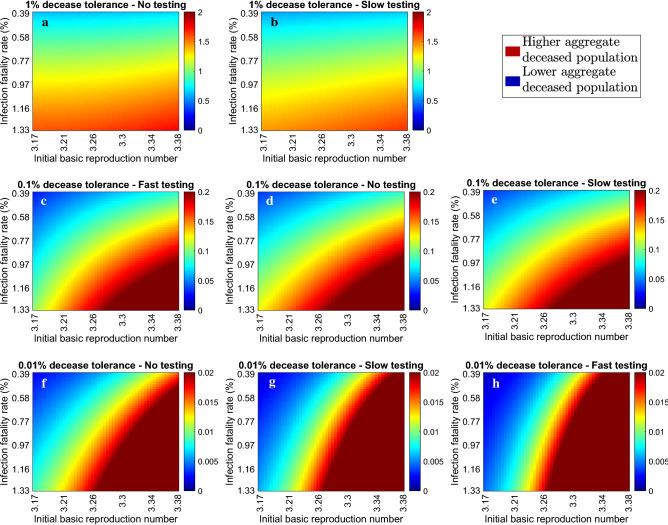
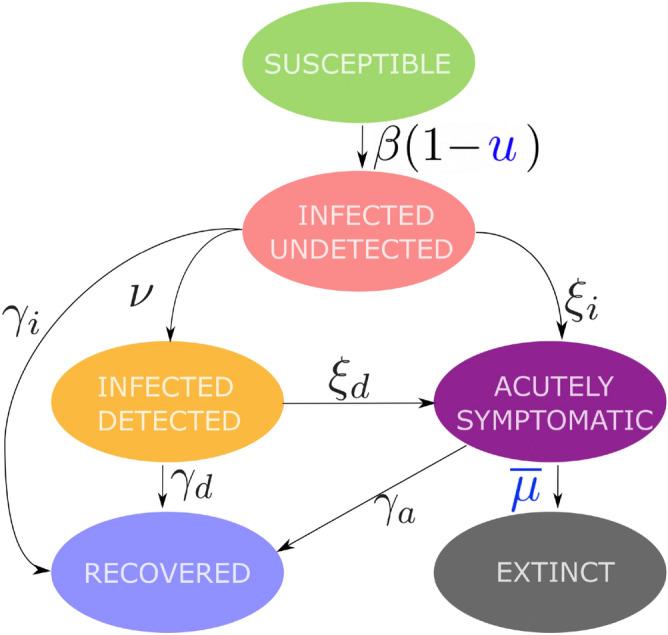
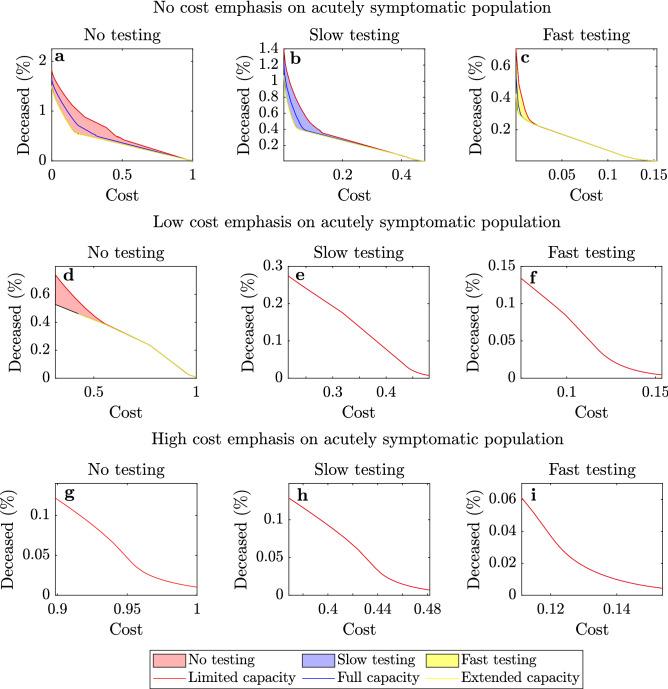
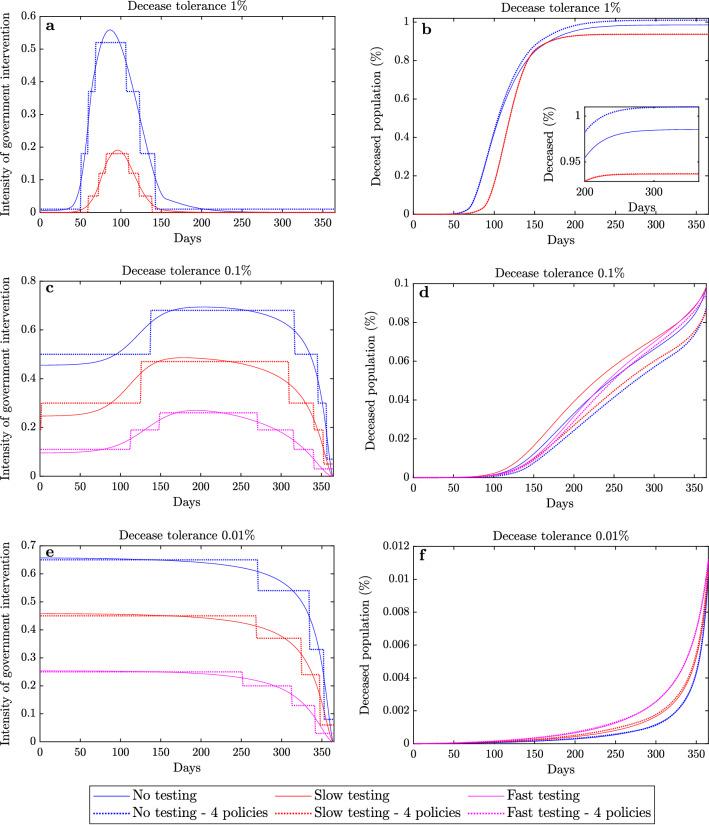
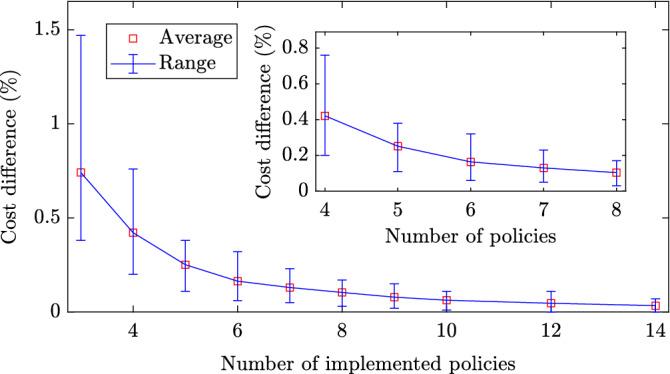
Governments across the world are currently facing the task of selecting suitable intervention strategies to cope with the effects of the COVID-19 pandemic. This is a highly challenging task, since harsh measures may result in economic collapse while a relaxed strategy might lead to a high death toll. Motivated by this, we consider the problem of forming intervention strategies to mitigate the impact of the COVID-19 pandemic that optimize the trade-off between the number of deceases and the socio-economic costs. We demonstrate that the healthcare capacity and the testing rate highly affect the optimal intervention strategies. Moreover, we propose an approach that enables practical strategies, with a small number of policies and policy changes, that are close to optimal. In particular, we provide tools to decide which policies should be implemented and when should a government change to a different policy. Finally, we consider how the presented results are affected by uncertainty in the initial reproduction number and infection fatality rate and demonstrate that parametric uncertainty has a more substantial effect when stricter strategies are adopted.
目前,各国政府面临着选择合适干预策略以应对 COVID-19 大流行影响的任务。这是一项极具挑战性的任务,因为严厉的措施可能导致经济崩溃,而宽松的策略可能导致高死亡率。受此启发,我们考虑制定干预策略以减轻 COVID-19 大流行影响的问题,使死亡率和社会经济成本之间的权衡达到最优。我们证明了医疗保健能力和检测率对最优干预策略有很大影响。此外,我们提出了一种方法,使具有少量政策和政策变化的实用策略接近最优。具体来说,我们提供了工具来决定应该实施哪些政策,以及政府何时应该改变到不同的政策。最后,我们考虑了初始繁殖数和感染致死率的不确定性如何影响所呈现的结果,并证明了当采用更严格的策略时,参数不确定性的影响更大。
 Zotero 插件