
靶向表观遗传调控酶用于癌症治疗:新型小分子表观遗传药物的开发。
Targeting Epigenetic Regulatory Enzymes for Cancer Therapeutics: Novel Small-Molecule Epidrug Development.
作者信息
Jin Ye, Liu Tianjia, Luo Haoming, Liu Yangyang, Liu Da
机构信息
School of Pharmacy, Changchun University of Chinese Medicine, Changchun, China.
Affiliated Hospital of Changchun University of Chinese Medicine, Changchun, China.
出版信息
Front Oncol. 2022 Mar 28;12:848221. doi: 10.3389/fonc.2022.848221. eCollection 2022.
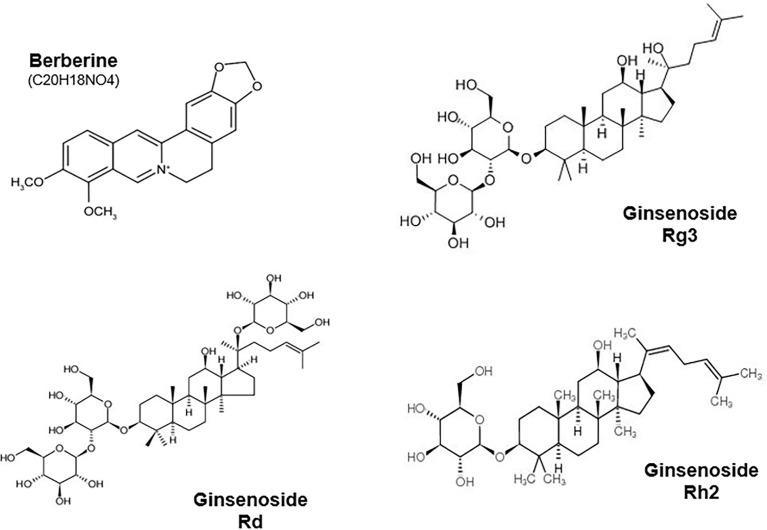
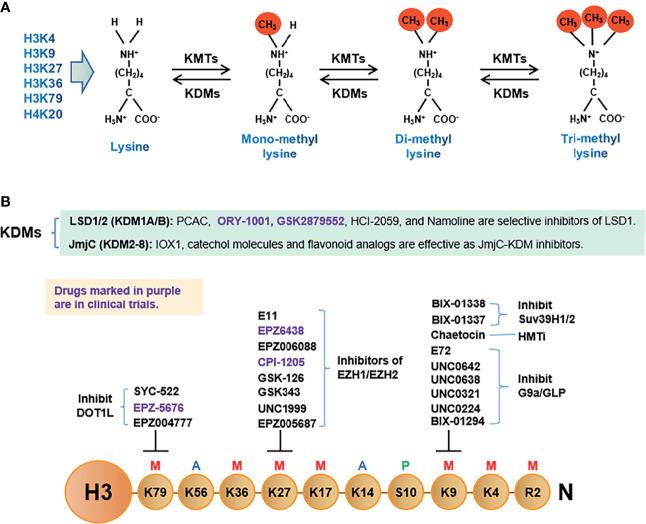
Dysregulation of the epigenetic enzyme-mediated transcription of oncogenes or tumor suppressor genes is closely associated with the occurrence, progression, and prognosis of tumors. Based on the reversibility of epigenetic mechanisms, small-molecule compounds that target epigenetic regulation have become promising therapeutics. These compounds target epigenetic regulatory enzymes, including DNA methylases, histone modifiers (methylation and acetylation), enzymes that specifically recognize post-translational modifications, chromatin-remodeling enzymes, and post-transcriptional regulators. Few compounds have been used in clinical trials and exhibit certain therapeutic effects. Herein, we summarize the classification and therapeutic roles of compounds that target epigenetic regulatory enzymes in cancer treatment. Finally, we highlight how the natural compounds berberine and ginsenosides can target epigenetic regulatory enzymes to treat cancer.
表观遗传酶介导的癌基因或肿瘤抑制基因转录失调与肿瘤的发生、发展及预后密切相关。基于表观遗传机制的可逆性,靶向表观遗传调控的小分子化合物已成为有前景的治疗药物。这些化合物靶向表观遗传调控酶,包括DNA甲基化酶、组蛋白修饰酶(甲基化和乙酰化)、特异性识别翻译后修饰的酶、染色质重塑酶和转录后调节因子。很少有化合物已用于临床试验并显示出一定的治疗效果。在此,我们总结了靶向表观遗传调控酶的化合物在癌症治疗中的分类及治疗作用。最后,我们重点介绍天然化合物黄连素和人参皂苷如何靶向表观遗传调控酶来治疗癌症。

 Zotero 插件