
正念戒烟。
Mindfulness for smoking cessation.
机构信息
Department of Behavioural Science and Health, University College London, London, UK.
Health Behaviour Change Research Group, Brunel University London, London, UK.
出版信息
Cochrane Database Syst Rev. 2022 Apr 14;4(4):CD013696. doi: 10.1002/14651858.CD013696.pub2.
BACKGROUND
Mindfulness-based smoking cessation interventions may aid smoking cessation by teaching individuals to pay attention to, and work mindfully with, negative affective states, cravings, and other symptoms of nicotine withdrawal. Types of mindfulness-based interventions include mindfulness training, which involves training in meditation; acceptance and commitment therapy (ACT); distress tolerance training; and yoga.
OBJECTIVES
To assess the efficacy of mindfulness-based interventions for smoking cessation among people who smoke, and whether these interventions have an effect on mental health outcomes.
SEARCH METHODS
We searched the Cochrane Tobacco Addiction Group's specialised register, CENTRAL, MEDLINE, Embase, PsycINFO, and trial registries to 15 April 2021. We also employed an automated search strategy, developed as part of the Human Behaviour Change Project, using Microsoft Academic.
SELECTION CRITERIA
We included randomised controlled trials (RCTs) and cluster-RCTs that compared a mindfulness-based intervention for smoking cessation with another smoking cessation programme or no treatment, and assessed smoking cessation at six months or longer. We excluded studies that solely recruited pregnant women.
DATA COLLECTION AND ANALYSIS
We followed standard Cochrane methods. We measured smoking cessation at the longest time point, using the most rigorous definition available, on an intention-to-treat basis. We calculated risk ratios (RRs) and 95% confidence intervals (CIs) for smoking cessation for each study, where possible. We grouped eligible studies according to the type of intervention and type of comparator. We carried out meta-analyses where appropriate, using Mantel-Haenszel random-effects models. We summarised mental health outcomes narratively.
MAIN RESULTS
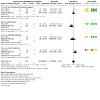
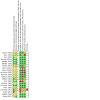
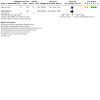
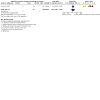
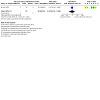
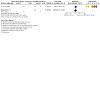
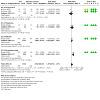
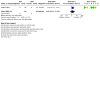
We included 21 studies, with 8186 participants. Most recruited adults from the community, and the majority (15 studies) were conducted in the USA. We judged four of the studies to be at low risk of bias, nine at unclear risk, and eight at high risk. Mindfulness-based interventions varied considerably in design and content, as did comparators, therefore, we pooled small groups of relatively comparable studies. We did not detect a clear benefit or harm of mindfulness training interventions on quit rates compared with intensity-matched smoking cessation treatment (RR 0.99, 95% CI 0.67 to 1.46; I = 0%; 3 studies, 542 participants; low-certainty evidence), less intensive smoking cessation treatment (RR 1.19, 95% CI 0.65 to 2.19; I = 60%; 5 studies, 813 participants; very low-certainty evidence), or no treatment (RR 0.81, 95% CI 0.43 to 1.53; 1 study, 325 participants; low-certainty evidence). In each comparison, the 95% CI encompassed benefit (i.e. higher quit rates), harm (i.e. lower quit rates) and no difference. In one study of mindfulness-based relapse prevention, we did not detect a clear benefit or harm of the intervention over no treatment (RR 1.43, 95% CI 0.56 to 3.67; 86 participants; very low-certainty evidence). We did not detect a clear benefit or harm of ACT on quit rates compared with less intensive behavioural treatments, including nicotine replacement therapy alone (RR 1.27, 95% CI 0.53 to 3.02; 1 study, 102 participants; low-certainty evidence), brief advice (RR 1.27, 95% CI 0.59 to 2.75; 1 study, 144 participants; very low-certainty evidence), or less intensive ACT (RR 1.00, 95% CI 0.50 to 2.01; 1 study, 100 participants; low-certainty evidence). There was a high level of heterogeneity (I = 82%) across studies comparing ACT with intensity-matched smoking cessation treatments, meaning it was not appropriate to report a pooled result. We did not detect a clear benefit or harm of distress tolerance training on quit rates compared with intensity-matched smoking cessation treatment (RR 0.87, 95% CI 0.26 to 2.98; 1 study, 69 participants; low-certainty evidence) or less intensive smoking cessation treatment (RR 1.63, 95% CI 0.33 to 8.08; 1 study, 49 participants; low-certainty evidence). We did not detect a clear benefit or harm of yoga on quit rates compared with intensity-matched smoking cessation treatment (RR 1.44, 95% CI 0.40 to 5.16; 1 study, 55 participants; very low-certainty evidence). Excluding studies at high risk of bias did not substantially alter the results, nor did using complete case data as opposed to using data from all participants randomised. Nine studies reported on changes in mental health and well-being, including depression, anxiety, perceived stress, and negative and positive affect. Variation in measures and methodological differences between studies meant we could not meta-analyse these data. One study found a greater reduction in perceived stress in participants who received a face-to-face mindfulness training programme versus an intensity-matched programme. However, the remaining eight studies found no clinically meaningful differences in mental health and well-being between participants who received mindfulness-based treatments and participants who received another treatment or no treatment (very low-certainty evidence).
AUTHORS' CONCLUSIONS: We did not detect a clear benefit of mindfulness-based smoking cessation interventions for increasing smoking quit rates or changing mental health and well-being. This was the case when compared with intensity-matched smoking cessation treatment, less intensive smoking cessation treatment, or no treatment. However, the evidence was of low and very low certainty due to risk of bias, inconsistency, and imprecision, meaning future evidence may very likely change our interpretation of the results. Further RCTs of mindfulness-based interventions for smoking cessation compared with active comparators are needed. There is also a need for more consistent reporting of mental health and well-being outcomes in studies of mindfulness-based interventions for smoking cessation.
背景
基于正念的戒烟干预措施可能通过教会个体关注、正念应对消极情绪状态、烟瘾戒断症状等方式帮助戒烟。基于正念的干预措施包括正念训练、接受与承诺疗法(ACT)、痛苦耐受力训练和瑜伽。
目的
评估基于正念的干预措施对吸烟者戒烟的效果,以及这些干预措施对心理健康结果的影响。
检索方法
我们检索了 Cochrane 烟草成瘾组的专业注册库、CENTRAL、MEDLINE、Embase、PsycINFO 和试验注册库,检索时间截至 2021 年 4 月 15 日。我们还采用了一种自动化的搜索策略,该策略是作为人类行为改变项目的一部分开发的,使用了微软学术。
选择标准
我们纳入了比较基于正念的戒烟干预与另一种戒烟方案或无治疗的随机对照试验(RCT)和整群 RCT,并评估了 6 个月及以上的戒烟情况。我们排除了仅招募孕妇的研究。
数据收集和分析
我们遵循了标准的 Cochrane 方法。我们根据最严格的定义和意向治疗原则,在最长的时间点测量戒烟情况。我们尽可能地计算了每项研究的戒烟率的风险比(RR)和 95%置信区间(CI)。我们根据干预类型和对照类型对符合条件的研究进行了分组。在适当的情况下,我们采用 Mantel-Haenszel 随机效应模型进行了荟萃分析。我们对心理健康结果进行了叙述性总结。
主要结果
我们纳入了 21 项研究,涉及 8186 名参与者。大多数研究招募了来自社区的成年人,其中 15 项研究在美国进行。我们判定四项研究的偏倚风险较低,九项研究的偏倚风险不确定,八项研究的偏倚风险较高。基于正念的干预措施在设计和内容上差异很大,对照也差异很大,因此我们将相对可比的小群组研究进行了汇总。我们没有发现正念训练干预与强度匹配的戒烟治疗(RR 0.99,95%CI 0.67 至 1.46;I = 0%;3 项研究,542 名参与者;低质量证据)、强度较低的戒烟治疗(RR 1.19,95%CI 0.65 至 2.19;I = 60%;5 项研究,813 名参与者;极低质量证据)或无治疗(RR 0.81,95%CI 0.43 至 1.53;1 项研究,325 名参与者;低质量证据)相比,戒烟率有明显的获益或损害。在每种比较中,95%CI 都包含获益(即更高的戒烟率)、损害(即更低的戒烟率)和无差异。在一项基于正念的复发预防研究中,我们没有发现该干预措施与无治疗相比,对戒烟率有明显的获益或损害(RR 1.43,95%CI 0.56 至 3.67;86 名参与者;极低质量证据)。我们没有发现接受接受与承诺疗法与强度匹配的行为治疗(RR 1.27,95%CI 0.53 至 3.02;1 项研究,102 名参与者;低质量证据)、简短建议(RR 1.27,95%CI 0.59 至 2.75;1 项研究,144 名参与者;极低质量证据)或强度较低的接受与承诺疗法(RR 1.00,95%CI 0.50 至 2.01;1 项研究,100 名参与者;低质量证据)相比,ACT 对戒烟率有明显的获益或损害。研究间存在高度异质性(I = 82%),因此不适合报告汇总结果。我们没有发现痛苦耐受力训练与强度匹配的戒烟治疗(RR 0.87,95%CI 0.26 至 2.98;1 项研究,69 名参与者;低质量证据)或强度较低的戒烟治疗(RR 1.63,95%CI 0.33 至 8.08;1 项研究,49 名参与者;低质量证据)相比,对戒烟率有明显的获益或损害。我们也没有发现瑜伽与强度匹配的戒烟治疗(RR 1.44,95%CI 0.40 至 5.16;1 项研究,55 名参与者;极低质量证据)相比,对戒烟率有明显的获益或损害。排除高偏倚风险的研究并没有显著改变结果,也没有使用完整的案例数据而不是使用所有随机分配的参与者的数据。九项研究报告了心理健康和幸福感的变化,包括抑郁、焦虑、感知压力、消极和积极情绪。由于测量方法和研究之间的方法差异,我们无法对这些数据进行荟萃分析。一项研究发现,与强度匹配的方案相比,接受面对面的正念训练方案的参与者感知压力的降低更为明显。然而,其余八项研究发现,接受正念治疗的参与者与接受其他治疗或无治疗的参与者在心理健康和幸福感方面没有明显的差异(极低质量证据)。
作者结论
我们没有发现基于正念的戒烟干预措施能明显增加戒烟率或改善心理健康和幸福感。与强度匹配的戒烟治疗、强度较低的戒烟治疗或无治疗相比,情况都是如此。然而,由于偏倚、不一致性和不精确性,证据的确定性较低或极低,这意味着未来的证据可能会极大地改变我们对结果的解释。需要进一步开展基于正念的干预措施与活性对照相比治疗戒烟的 RCT。还需要更一致地报告基于正念的干预措施治疗戒烟的心理健康和幸福感结果。









 Zotero 插件