
脉冲射频联合静脉利多卡因输注治疗亚急性带状疱疹后神经痛的临床疗效。
Clinical Efficacy of Pulsed Radiofrequency Combined with Intravenous Lidocaine Infusion in the Treatment of Subacute Herpes Zoster Neuralgia.
机构信息
The Department of Pain, Guihang Guiyang Hospital, Guiyang, Guizhou 550000, China.
The Department of Pain, Guizhou Provincial People's Hospital, Guiyang, Guizhou 550000, China.
出版信息
Pain Res Manag. 2022 Apr 11;2022:5299753. doi: 10.1155/2022/5299753. eCollection 2022.
OBJECTIVE
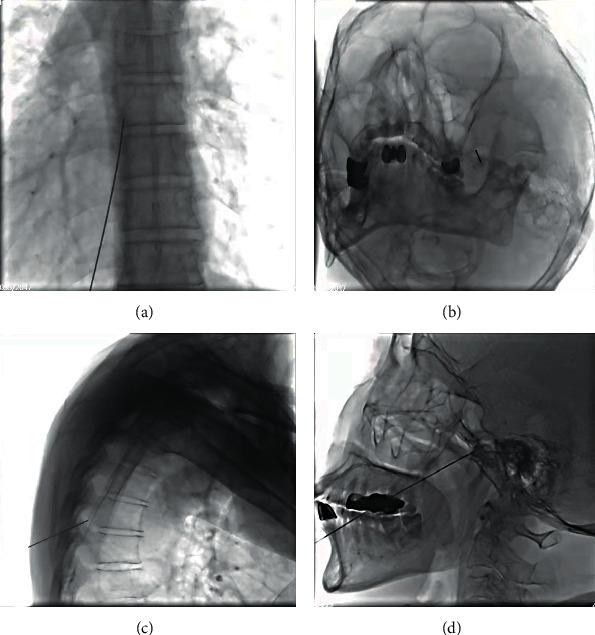
Under the guidance of a digital subtraction angiography (DSA) machine, via fluoroscopic imaging techniques, patients diagnosed with herpes zoster neuralgia at the subacute stage, where self-reported pain lasts between 30 and 90 days, were treated with nerve pulsed radiofrequency surgery combined with intravenous lidocaine infusion or saline infusion as control. This study explores the clinical efficacy, safety, and clinical value of the combined treatment compared with nerve pulsed radiofrequency surgery alone.
METHODS
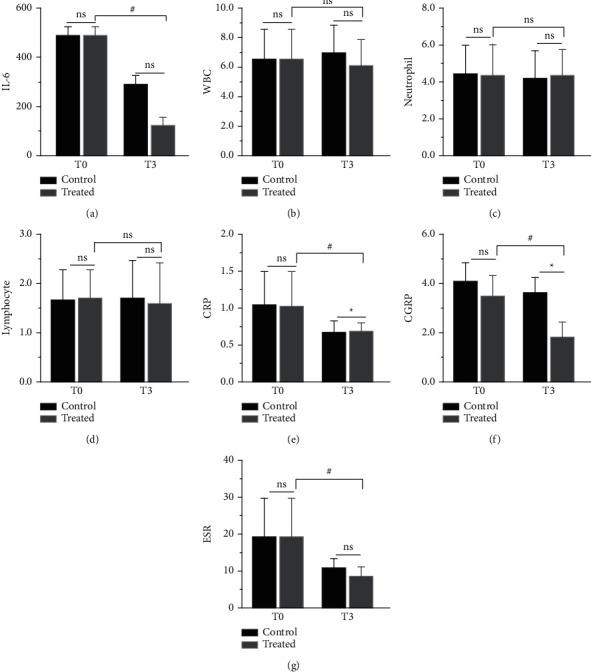
In this study, 72 patients diagnosed with herpes zoster neuralgia at the subacute stage were randomly divided into two groups with matched gender, age, and clinical symptoms. Both groups received pulsed radiofrequency surgery for the affected nerve segments under DSA fluoroscopy. Five days after the operation, 0.9% saline was administered daily for five consecutive days (50 ml per day, intravenous infusion) to group A ( = 36), and lidocaine was administered daily for five consecutive days (3 mg per kg per day, intravenous infusion) to group B ( = 36). Patients with poor pain control during the treatment were given 10 mg morphine tablets for pain relief to reach visual analog scale (VAS) ≤4 points. Data of the following categories were collected: VAS score, self-rating anxiety scale (SAS) score, depression self-rating scale (SDS) score, Pittsburgh sleep quality score (PSQI), 45 body area rating scale score, skin temperature measurement using infrared thermography, analgesic drug use before and after treatment at six different time points: before surgery ( ), one day after surgery ( ), three days after surgery ( ), five days after surgery ( ), one month after surgery ( ), and two months after surgery ( ). Blood was collected from all patients in the morning before surgery and right after the last intravenous infusion of lidocaine at . Serum inflammatory indexes including white blood cell count, lymphocyte count, neutrophils count, erythrocyte sedimentation rate count, C-reactive protein (CRP) level, calcitonin gene-related peptide (CGRP) level, and interleukin-6(IL-6) level were determined. Lastly, the incidence of complications and adverse reactions throughout the study was recorded.
RESULTS
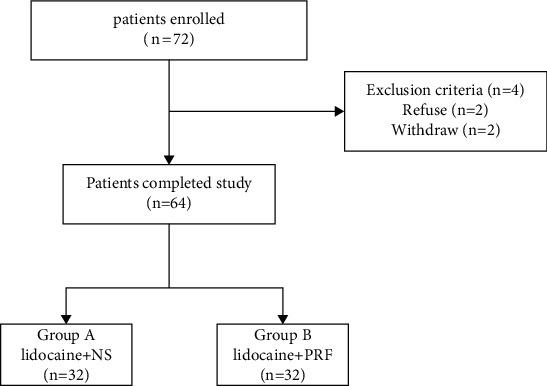
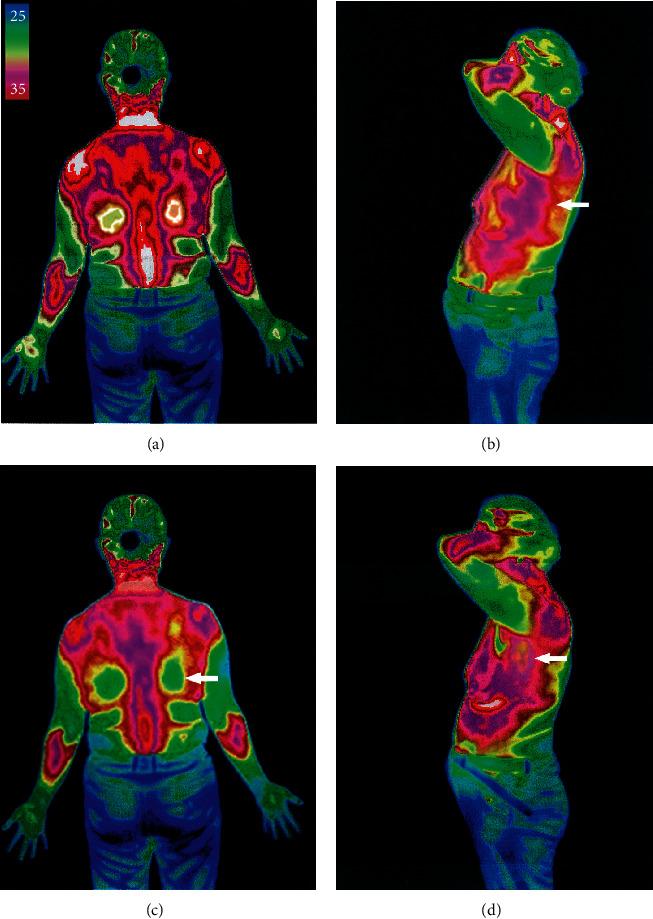
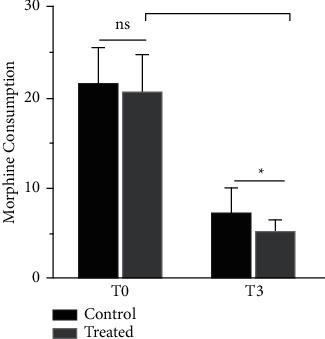
In total, 64 out of 72 patients completed the whole study. Two patients met the exclusion criteria in group A, one patient refused to participate, and one was lost to follow-up. Two patients met the exclusion criteria in group B, and two were lost to follow-up. Three patients in group B experienced vomiting during lidocaine treatment. The adverse symptom was relieved after symptomatic treatment. No patients in the two groups had severe complications such as hematoma at the puncture site, pneumothorax, and nerve injury. Compared with before treatment, the mean of VAS score, SAS score, SDS score, PSQI score, and skin temperature of both groups at each time point after interventional surgery were all significantly reduced. Furthermore, at each time point after surgery, the above indicators of group B patients were significantly lower than those of group A patients. After treatment, the consumption of analgesics in both groups was significantly lower than before treatment. Compared with group A, the consumption of analgesics was also significantly lower in group B. In addition, serum inflammatory indexes at the time point of the two groups of patients were lower than . Among them, the erythrocyte sedimentation rate, CRP level, CGRP level, and interleukin-6 level of group B were significantly lower than those of group A. The incidence of postherpetic neuralgia (PHN) in group B patients (6.25%) was also lower than that in group A patients (25%).
CONCLUSION
DSA-guided nerve pulse radiofrequency surgery combined with intravenous lidocaine infusion can effectively relieve pain in patients diagnosed with herpes zoster nerves at the subacute stage, reduce the number of analgesic drugs used in patients, reduce postherpetic neuralgia incidence rate, and improve sleep and quality of life.
目的
在数字减影血管造影(DSA)机的引导下,通过透视成像技术,对亚急性期(自报告疼痛持续 30 至 90 天)的带状疱疹神经痛患者进行神经脉冲射频手术联合静脉利多卡因输注或生理盐水输注治疗,以对照观察单纯神经脉冲射频手术的临床疗效、安全性和临床价值。
方法
本研究将 72 例亚急性期带状疱疹神经痛患者随机分为两组,两组患者的性别、年龄和临床症状相匹配。两组患者均在 DSA 透视下接受受累神经节段的脉冲射频手术。术后第 5 天,A 组(n=36)每天给予 0.9%生理盐水 5 天(每天 50ml,静脉输注),B 组(n=36)每天给予利多卡因 3mg/kg/d,连续 5 天(静脉输注)。治疗过程中疼痛控制不佳的患者给予 10mg 吗啡片止痛,使视觉模拟评分(VAS)≤4 分。收集以下类别的数据:VAS 评分、焦虑自评量表(SAS)评分、抑郁自评量表(SDS)评分、匹兹堡睡眠质量指数(PSQI)、45 体区评分、红外热成像皮肤温度测量、治疗前后 6 个不同时间点的镇痛药物使用情况:术前()、术后 1 天()、术后 3 天()、术后 5 天()、术后 1 个月()和术后 2 个月()。所有患者术前早晨和最后一次静脉输注利多卡因后()采集血液。测定血清炎症指标,包括白细胞计数、淋巴细胞计数、中性粒细胞计数、红细胞沉降率计数、C 反应蛋白(CRP)水平、降钙素基因相关肽(CGRP)水平和白细胞介素-6(IL-6)水平。最后,记录整个研究过程中的并发症和不良反应发生率。
结果
共有 72 例患者中的 64 例完成了整个研究。A 组中有 2 例患者符合排除标准,1 例患者拒绝参与,1 例失访。B 组中有 2 例患者符合排除标准,2 例失访。B 组中有 3 例患者在利多卡因治疗过程中出现呕吐,对症治疗后症状缓解。两组均无患者出现穿刺部位血肿、气胸和神经损伤等严重并发症。与治疗前相比,两组患者介入手术后各时间点的 VAS 评分、SAS 评分、SDS 评分、PSQI 评分和皮肤温度均显著降低,术后各时间点 B 组患者上述指标均明显低于 A 组患者。治疗后,两组患者的镇痛药用量均明显低于治疗前。与 A 组相比,B 组的镇痛药用量也明显减少。此外,两组患者在()时间点的血清炎症指标均低于治疗前,其中 B 组患者的红细胞沉降率、CRP 水平、CGRP 水平和白细胞介素-6 水平明显低于 A 组。B 组患者(6.25%)的带状疱疹后神经痛(PHN)发生率也低于 A 组(25%)。
结论
DSA 引导的神经脉冲射频手术联合静脉利多卡因输注可有效缓解亚急性期带状疱疹神经痛患者的疼痛,减少患者镇痛药物的使用量,降低带状疱疹后神经痛的发生率,改善睡眠和生活质量。


 Zotero 插件