
水溶性淀粉样β-C复合物的制备及其光诱导活性
Preparation and photo-induced activities of water-soluble amyloid β-C complexes.
作者信息
Hasunuma Naoki, Kawakami Masahiro, Hiramatsu Hirotsugu, Nakabayashi Takakazu
机构信息
Graduate School of Pharmaceutical Sciences, Tohoku University Sendai 980-8578 Japan
Department of Applied Chemistry and Institute of Molecular Science, National Chiao Tung University 1001, Ta-Hsueh Road Hsinchu 30010 Taiwan.
出版信息
RSC Adv. 2018 May 16;8(32):17847-17853. doi: 10.1039/c8ra02789g. eCollection 2018 May 14.
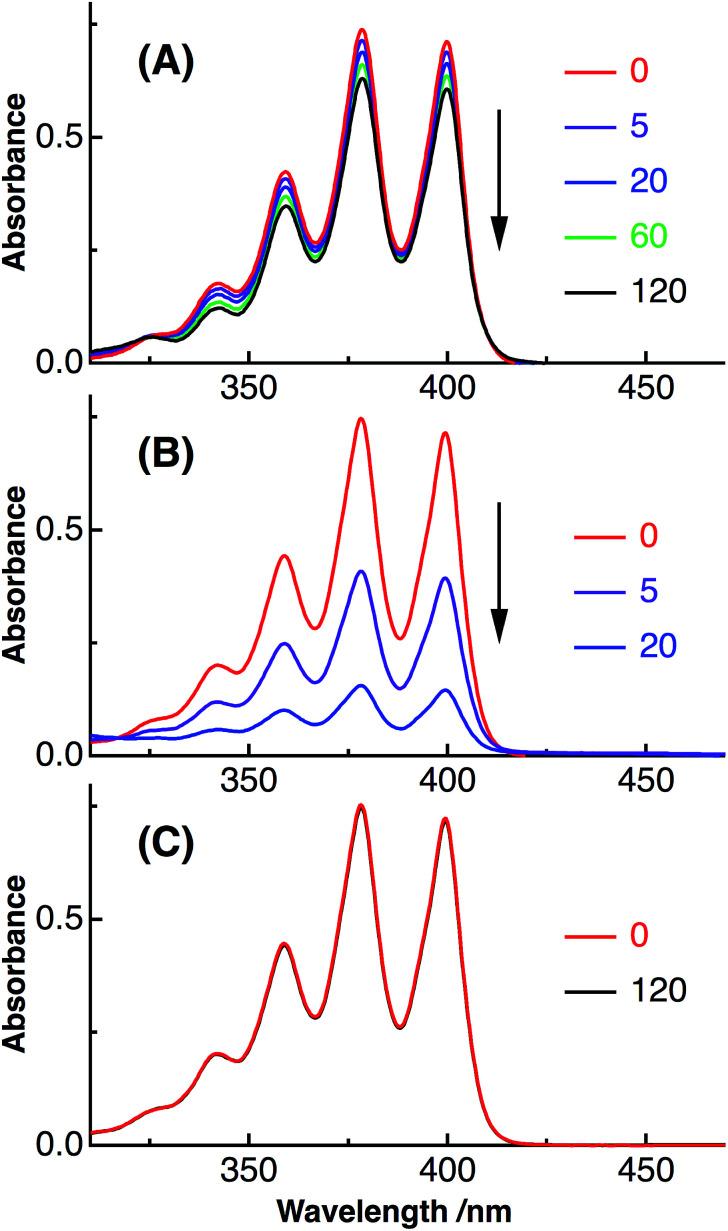
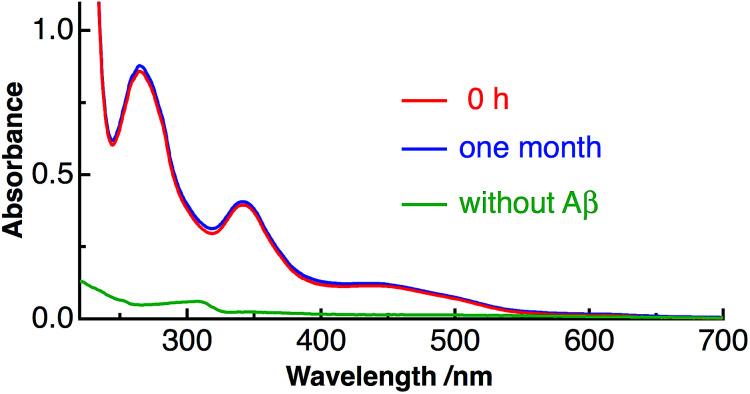
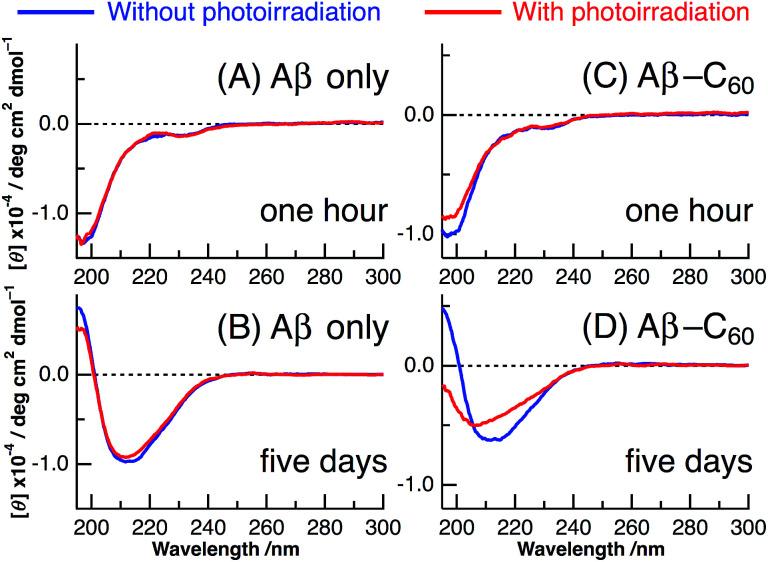
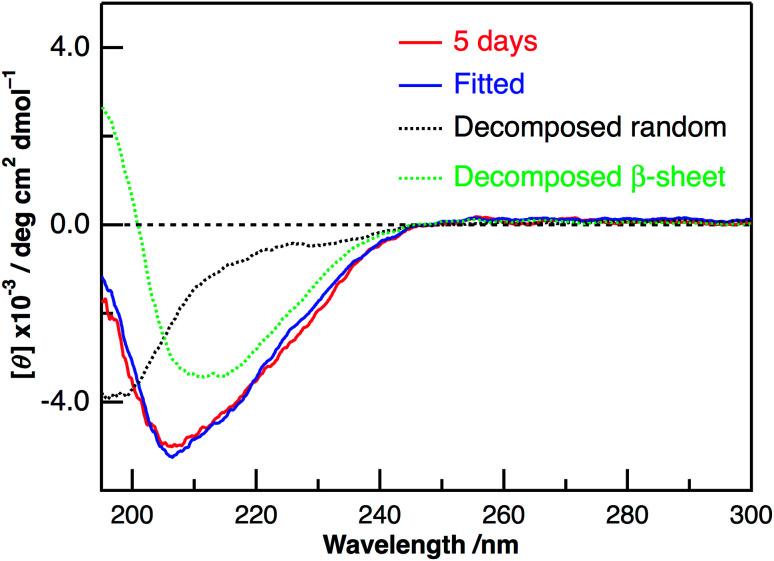
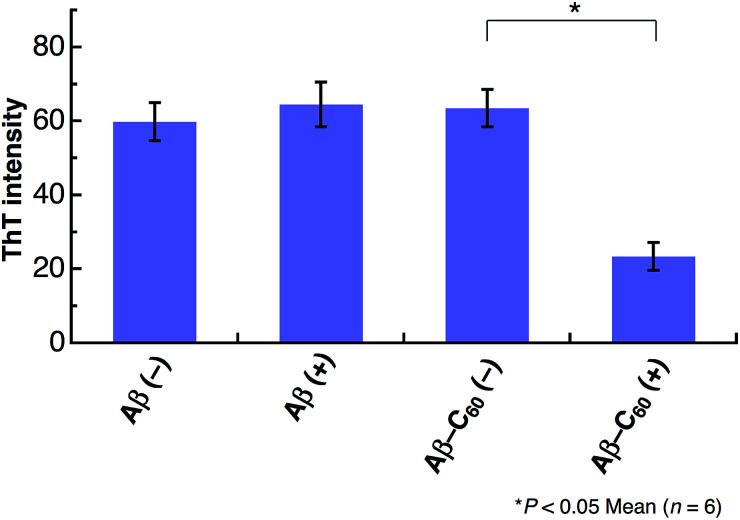
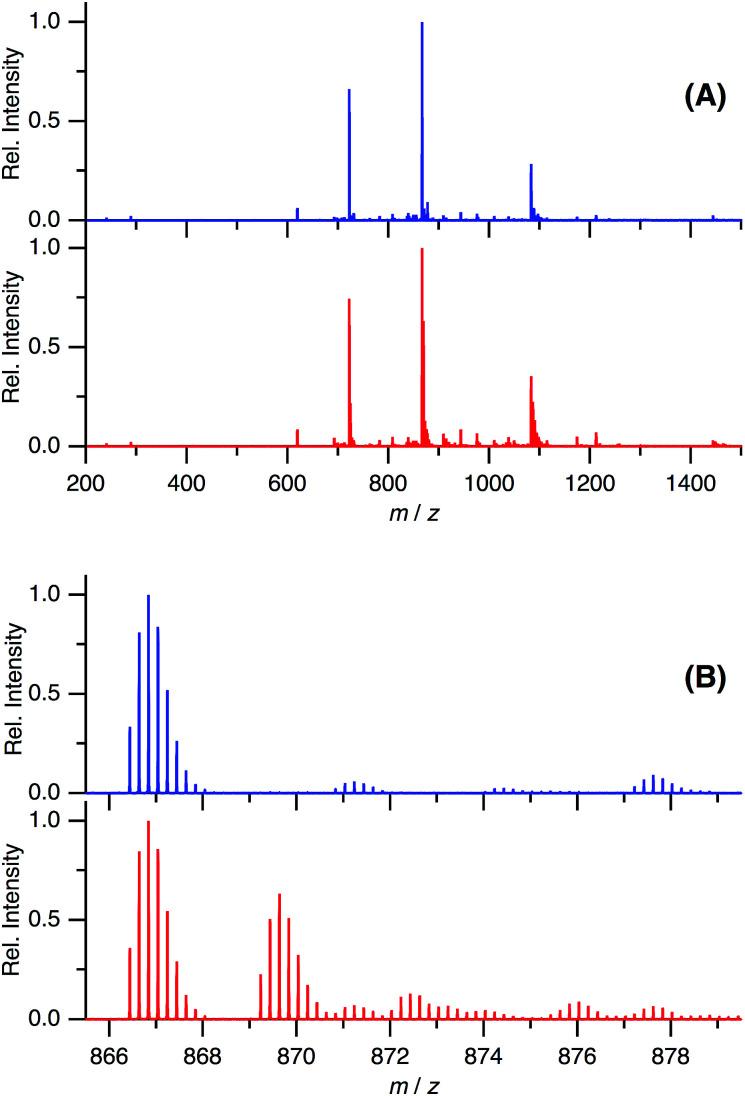
We have shown that fullerene (C) becomes soluble in water by mixing fullerene and amyloid β peptide (Aβ40) whose fibril structures are considered to be associated with Alzheimer's disease. The water-solubility of fullerene arises from the generation of a nanosized complex between fullerene and the monomer species of Aβ40 (Aβ40-C). The prepared Aβ40-C exhibits photo-induced activity with visible light to induce the inhibition of Aβ40 fibrillation and the cytotoxicity for cultured HeLa cells. The observed photo-induced phenomena result from the generation of singlet oxygen photoexcitation, inducing oxidative damage to Aβ40 and HeLa cells. The oxidized Aβ40 following photoexcitation of Aβ40-C was confirmed by mass spectrometry.
我们已经表明,通过将富勒烯与淀粉样β肽(Aβ40)混合,富勒烯(C)可溶于水,其纤维结构被认为与阿尔茨海默病有关。富勒烯的水溶性源于富勒烯与Aβ40单体物种(Aβ40-C)之间形成的纳米级复合物。制备的Aβ40-C在可见光下表现出光诱导活性,可抑制Aβ40纤维化并对培养的HeLa细胞产生细胞毒性。观察到的光诱导现象是由于单线态氧光激发的产生,导致对Aβ40和HeLa细胞的氧化损伤。通过质谱法证实了Aβ40-C光激发后氧化的Aβ40。

 Zotero 插件